

Good morning, Stoke Crew. If you've eaten more meals out of a Jetboil than your kitchen this month, welcome home. Here's the report! Stay STOKE - Tyler
In today's report
- 🎿 Taos takes North America into a global sustainability alliance
- 🇺🇸 The government wants your long-distance bike route nominations
- 🏃 Hardrock 100 results and records
- ⛰️ The first national climbing policy is open for comment
Skiing
🎿 Taos goes global, Purgatory goes up
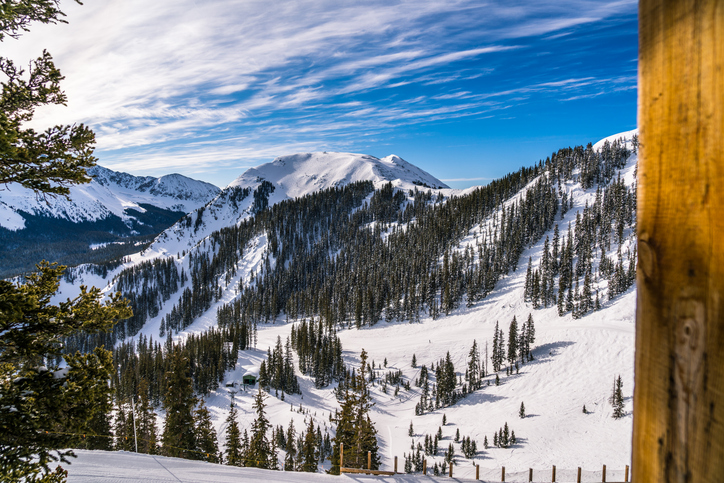
❄️ Taos Ski Valley is the first North American ski area in the Global Sustainability Ski Alliance, a coalition of major resort operators sharing data, money, and know-how on climate work. Word came down in March, and Taos has been busy since.
- The alliance formed in May 2025 at the Interalpin trade show in Innsbruck with eight founding operators, including KitzSki, LAAX, NZSki, and SkiStar. Between them the members run more than 800 lifts and log around 25 million skier days a year.
- The addition is official on both sides of the pond: SkiStar noted the alliance's approval of Taos in its half-year report this spring.
- It started with a handshake. Taos CEO John Kelly met Henrik Volpert, who runs Germany's Oberstdorf Kleinwalsertal lifts, and Volpert brought him into the group.
- The mission goes past carbon. Keeping housing attainable for workers and keeping mountain towns livable are written into the alliance's goals, and members meet twice a year with working groups convening far more often.
- Taos's projects since joining: electrifying vehicles and operations, greener building materials (think low-carbon concrete and green steel), running spare parts longer, and squeezing efficiency out of the data.
Why It Matters: Sustainability in American skiing has mostly meant solo pledges and a page on the resort website. Joining a group that compares real numbers across 800 lifts on three continents adds the thing those pledges usually lack: accountability.
🚠 Helicopters are flying lift parts into Purgatory. The Durango resort's new Colorado Couloir chairlift crosses steep front-side terrain with no road access, so tower materials and concrete forms are going in by air this week. Timber clearing is finished, foundation work is underway, and the lift is tracking for a December opening.
- It's a steep one. The lift line hits a 60% grade in spots on its way to 1,625 feet of vertical over a 4,439-foot run. It's a fixed-grip triple, so budget about nine minutes for the ride from the Gelande lot straight to the upper mountain, which kills the shuttle ride skiers used to need. Seven new trails and connectors come with it, names TBD.
- The chairs, grips, and a chunk of the machinery are getting a second life, pulled from Telluride's retired Plunge lift up the road.
- This one almost happened last winter. Permitting delays pushed the opening past the 2025-26 season.
- The lift spent years on paper as the Gelande lift, first approved in Purgatory's 2008 improvement plan, before getting renamed this spring for the chutes and glades it unlocks.
- It anchors roughly $7 million of summer work at Purgatory, part of more than $37 million in projects parent company Mountain Capital Partners has announced.
Why It Matters: Most new lifts chase beginners, real estate, or base-area convenience. A lift built specifically to serve 60% grades is a bet on expert terrain, and those bets have gotten rare. Durango skiers are getting something genuinely new here!
Biking
🇺🇸 America wants big bike routes
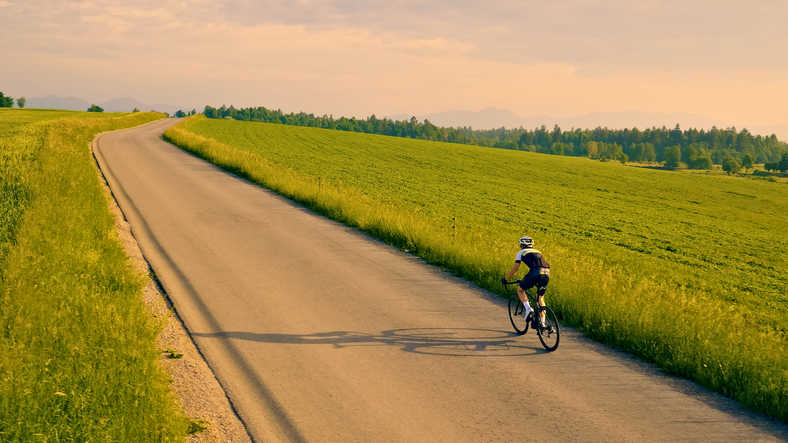
🚴 You can help draw America's next great bike routes. Interior and Agriculture are taking public nominations for long-distance biking trails on public lands as they roll out the EXPLORE Act, and riders have until August 3 to put their favorite big routes on the map.
- The mandate comes from Section 121 of the law, the Biking on Long-Distance Trails Act, which requires the agencies to identify at least 10 existing long-distance routes plus at least 10 places where new ones could be pieced together down the road. Selections will be spread across the country, with tribal consultation before anything gets designated.
- The bar to qualify: at least 80 miles, mostly dirt, mostly on federally managed public land, stitched together from roads and trails that already exist and already allow bikes, and nothing through designated wilderness.
- Nominating takes minutes. You draw your route on BLM's online map tool, make the case for it, and tag the kind of riding it serves, from bikepacking and MTB to gravel and even snow bikes. The form also asks about access issues and whether partner or volunteer groups exist to help maintain it.
Why It Matters: Bikepacking has exploded, but most long routes exist as community projects held together by GPX files and goodwill. Federal designation brings the boring stuff that makes routes last: signage, maintenance priority, and a line in an agency budget.
Events
⏱️ Records fall in the San Juans
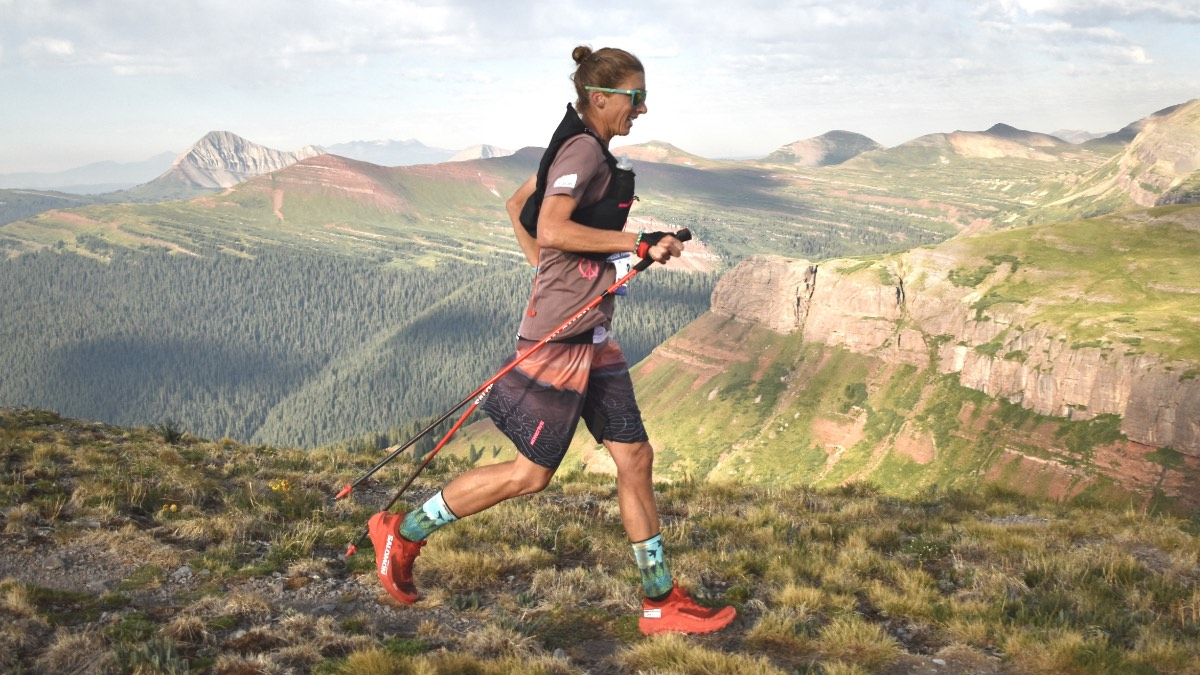
🏃 Hardrock belongs to the veterans! Ludovic Pommeret, 50, won his third straight Hardrock 100 in 21:11:36. Nobody has ever gotten around the course faster, and the overall record he beat by nearly 22 minutes was his own. Courtney Dauwalter, 41, won the women's race in 26:03:10, taking more than eight minutes off her own clockwise record. She's now four for four at this race.
- The race is a roughly 102-mile loop out of Silverton through the San Juans: 33,000 feet of climbing, an average elevation of 11,000 feet, and a high point on 14,048-foot Handies Peak. This year 147 runners started at 6 a.m. Friday, after midweek rain knocked down smoke from the Gold Mountain Fire that had threatened the race.
- Pommeret kissed the Hardrock at 3:21 a.m. Saturday, hours ahead of anyone else. Only Karl Meltzer, Kilian Jornet, and Dauwalter herself have more career titles at this race, and the Frenchman says he'll probably be back for a fourth.
- Jimmy Elam was the only other runner under 24 hours, taking second in 23:48:56, with David Ayala third in 24:28:17.
- Dauwalter came home fifth overall, four and a half hours clear of the womens runner-up Careth Arnold. Tara Dower gutted out third just 13 days after racing Western States, an absurd double. Full top-10 results for both fields are worth a scroll.
Why It Matters: Dauwalter has now won every Hardrock she's finished and progressed the record book almost every time she shows up. We're not watching a good career, we're watching one of the greatest endurance athletes ever!!
Climbing
⛰️ Climbing gets a national policy
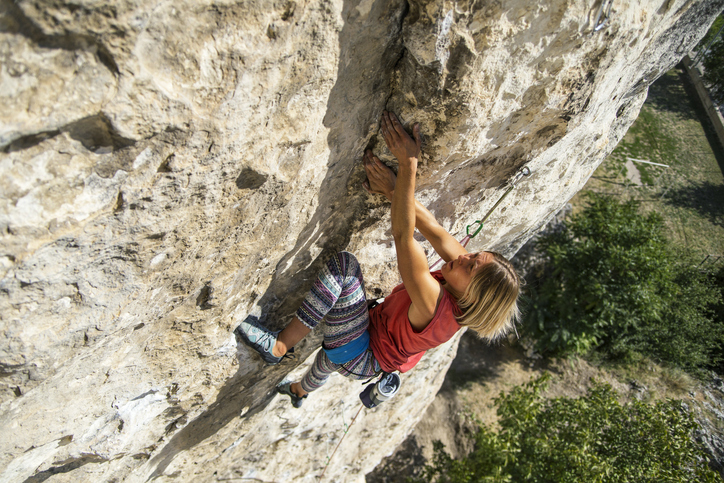
🧗 Climbing just got its first national policy. The Forest Service published a proposed climbing directive covering every national forest and grassland in the country. Until now, each forest wrote its own climbing rules. Anyone can comment through July 20.
- Quick primer if you don't climb: the whole fight is about fixed anchors, the metal bolts and rings climbers attach to the rock and leave in place so a rope has something secure to clip into. On big routes they're often the only safe way back down. The legal question was whether that hardware counts as a permanent "installation," the kind of human-made structure banned in designated wilderness.
- The new answer: it doesn't. This draft is one of four drafts out this summer (the Park Service, BLM, and Fish and Wildlife have their own), and it says an anchor placed by hand for safety is allowed in wilderness without a lengthy formal review first. Bigger intrusions stay banned: no power drills, and no bolting up whole new climbing areas.
- Old routes are protected too. Any climb established before January 4, 2025, the day the law behind all this (the PARC Act) was signed, is presumed appropriate and can keep being maintained.
- It's a full reversal of the 2023 proposal, which treated anchors as banned structures and had climbers fearing hardware would get stripped off routes across the country. The Access Fund is pushing its 20,000-plus members to weigh in on the fine print before the window closes.
Why It Matters: For decades, how climbing was managed depended on which forest office happened to oversee the rock. A national baseline changes that, and whatever gets written now will govern climbing on federal land for decades. That's why this comment window matters more than most.
🔥 The STOKE VOTE
Pick your climbing style
What else is going on
- OPB's award-winning film about 28 Indigenous youth paddling 300 miles down the freed Klamath is free on YouTube.
- Yosemite logged 634,508 visits last month, its second-busiest June ever, in the park's first reservation-free summer since 2020.
- Mesa County investigators are working to identify human remains found on Grand Mesa that a black bear had scavenged.
- Colorado wildfires canceled the Ouray 100 and Leadville's Silver Rush races while the Hardrock 100 got the green light.
- CU Boulder archaeologists say moose are Colorado natives that lived in the southern Rockies centuries before the 1978 reintroduction.
Subscriber Stoke
🏔️ 7 Days pack rafting in Alaska
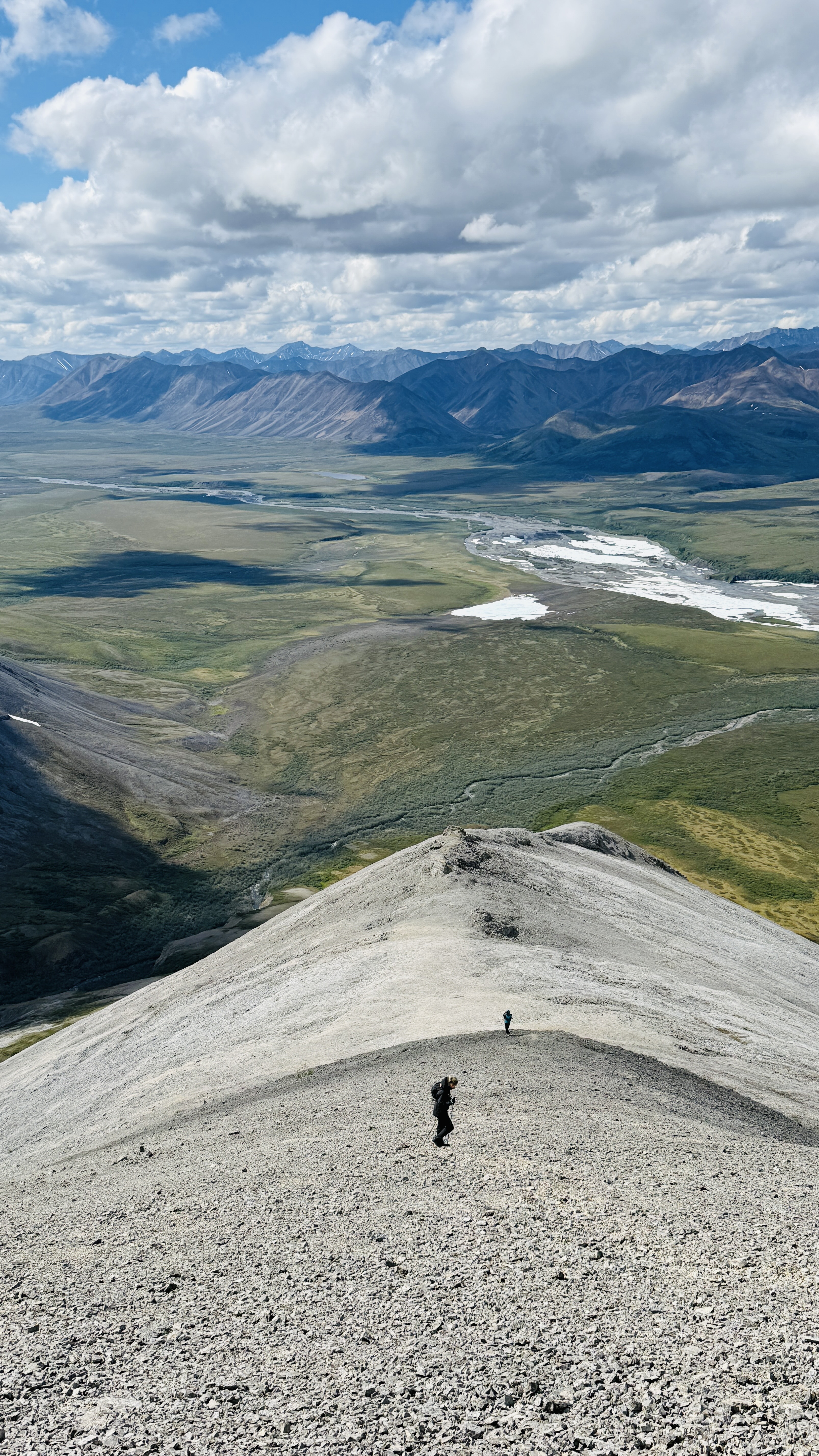
👱🏻♀️ Meet Lotte, a Netherlands native who's called Colorado home for a couple years now. She just spent 7 days pack rafting in Alaska with a group of friends, hiking up unnamed peaks with no trails in sight. Pretty freaking awesome. No run-ins with grizzly bears either, though she did see signs of them. The trip looks so good I might have to steal it for my crew next summer!
Have a cool trip you wanna share? Reply to this email :)
📚 Trailhead Trivia
The world's first designated wilderness area was set aside in 1924 in New Mexico. What's it called?
⚡ Share The Stoke
THE STOKE REPORT is a quick, no-fluff newsletter built for mountain lovers, adventure seekers, and the ones who enjoy a little type 2 fun!
If you know someone like that, forward this email or send them to thestokereport.com. Thanks for spreading THE STOKE — it seriously means a lot!
If you ever have ideas, tips, or stories worth sharing, reply to this email. I'd love to hear from you.
Answer!
The Gila Wilderness, created by the Forest Service at Aldo Leopold's urging!
See you soon,
Tyler
Founder / Editor — THE STOKE REPORT
