

Good morning, Stoke Crew. Hope everyone has a fun, adventurous, and safe long weekend. Go do something fun outside with friends, okay let get into this one! Yeeeewww Stay STOKED - Tyler
In today's report
- 🌲 Pitkin County moves to take over Maroon Bells as the Forest Service taps out
- 🛶 Colorado's right-to-float bill dies before it ever got drafted
- 📈 A record 270 climbers tag Everest's summit in a single 11-hour window
- 🏅 A 75 year old completes the 7 Summits
Environment
⛰️ Public lands, public waters
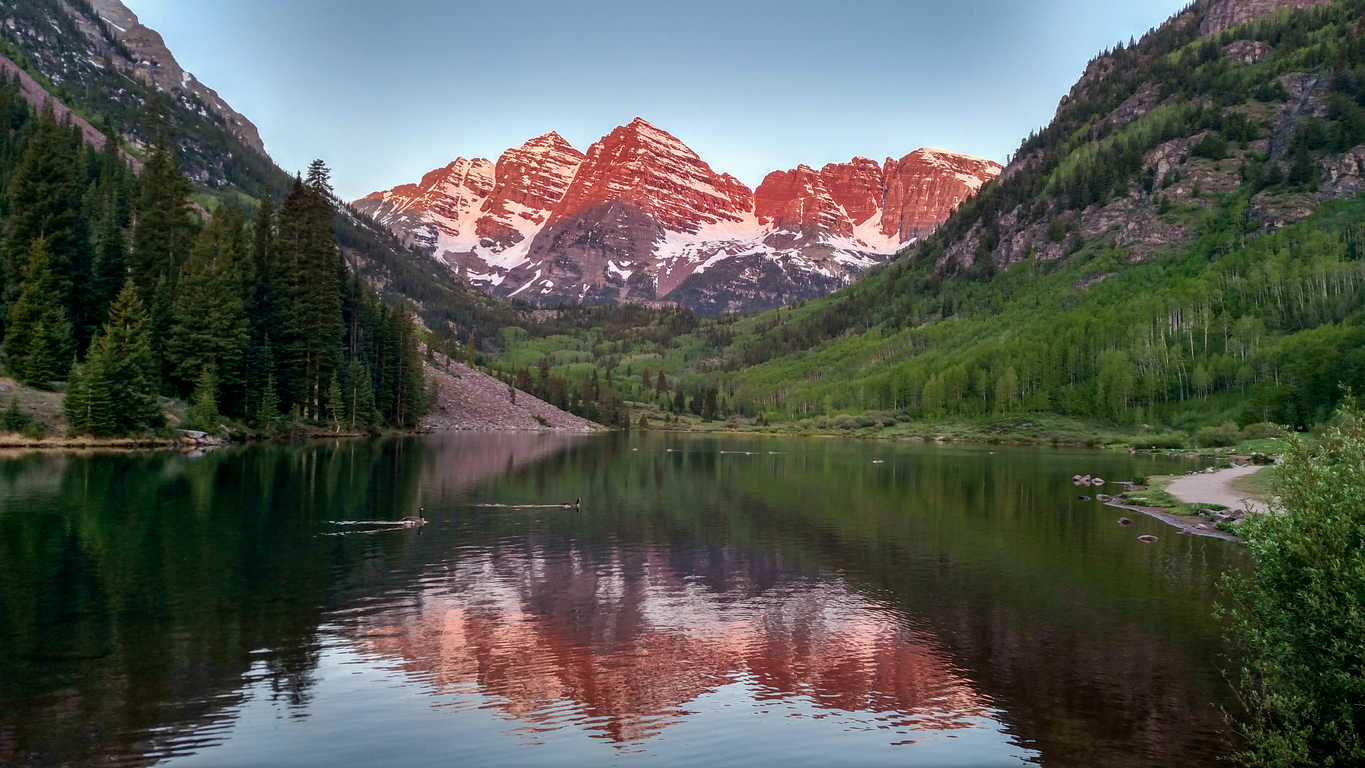
🌲 Pitkin County is moving to take over day-to-day management of the iconic Maroon Bells Scenic Area from the U.S. Forest Service starting in 2027, after the agency told commissioners it can no longer afford to run one of Colorado's most-visited areas. Commissioners gave preliminary approval on May 12 for the county to pursue a Special Use Permit for an initial five-year term with an optional five-year renewal. The Forest Service would keep ownership and oversight; the county would run staffing, daily operations, and deferred maintenance.
- Running the Bells costs the White River National Forest $300,000 to $380,000 more than it brings in every year.
- Staffing has gotten brutal. The White River dropped from 146 employees to 102 by the end of May 2025, and the Aspen-Sopris Ranger District fell from 28 to 17, a 39% cut driven by the federal deferred-resignation program, probationary firings, and broader DOGE-era cuts. Wilderness, trails, and wildlife crews are all running at a third to half their normal capacity.
- Maroon Bells drew 191,000 visitors between May and October 2025. The county isn't trying to profit, but Open Space and Trails director Gary Tennenbaum was blunt: "There's going to be an increase in fees no matter what." If the county passes, the Forest Service will look for private options instead.
Why It Matters: This is what federal cuts actually look like on the ground. Not a policy memo, but bathrooms that don't open, trails that don't get cleared, wildlife staff that simply doesn't exist. When the local solution requires raising fees, the cost of those cuts gets paid by the people showing up to hike.
🛶 Colorado's 2026 legislative session closed on May 13 without a single river access bill being finalized, leaving paddlers, anglers and rafting outfitters stuck with the same murky stream access rules that have governed the state since a 1979 Colorado Supreme Court decision. American Whitewater and the Responsible River Recreation Alliance spent eighteen months building a coalition behind a focused right-to-float proposal that would let boaters pass through private property and briefly touch the bed or banks only when needed to safely portage or scout an obstacle. The bill never got drafted.
- A poll commissioned by the alliance found 84% of Colorado voters back the right-to-float policy, 92% say river recreation is important to the state's economy.
- Only 9% of Colorado's 287 recreational river segments flow entirely through public land, and 1,656 of 3,353 floatable miles cross private property. One landowner can shut down a long downstream run.
- Sen. Dylan Roberts, who joined a 2025 legislator raft trip organized by the alliance, said any future bill would draw "a lot of opposition and a lot of passion." Hattie Johnson, who leads the effort at American Whitewater, was plainer: "Our opposition was able to hire just more lobbyists and attorneys to work on this."
Why It Matters: When 84% of voters want something and the legislature still can't draft a bill, it's a clean reminder of who actually writes the rules. The rivers belong to everyone, they're part of our public lands, but in reality they belong to whoever can afford the most lobbyists. That's the part worth being angry about.
Mountaineering
🏔️ All about Everest
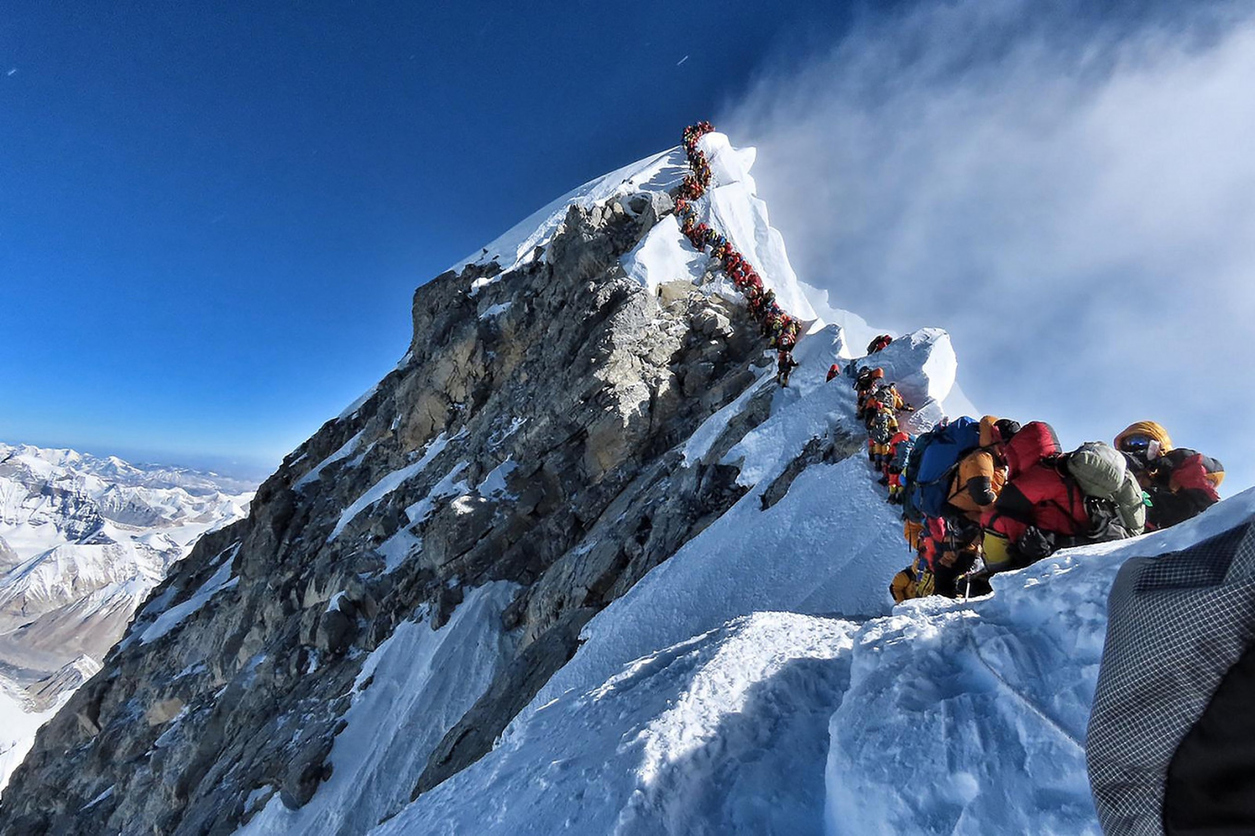
📈 A record 270 climbers reached the summit of Mount Everest in a single 11-hour window, blowing past Nepal's previous one-day record of 223 summits set on May 22, 2019. Khimlal Gautam, chief of the Department of Tourism's Everest field office, said summits ran "from 3 a.m. in the morning to 2 p.m. in the day." The pile-up is the latest milestone in what's already the busiest spring season in Nepal's history, fueled by a record 494 climbing permits and China's continued closure of the north side route from Tibet.
- Notable ascents inside the 270 included Ecuadorian Marcelo Segovia summiting without bottled oxygen, 18-year-old Bianca Adler becoming the youngest Australian to top out.
- Nepal's 494 Everest permits (figures vary slightly between agency releases) went to 389 men and 105 women from 55 countries, surpassing the previous record of 479 set in 2023. The permits alone generated $7.19 million in royalties, roughly 87% of the country's total mountaineering revenue this season.
- Chinese climbers led with 109 permits, followed by Americans with 76 and Indians with 61. Three climbers have died on Everest so far this season.
Why It Matters: The traffic jam photos that went viral in 2019 came from a 223-summit day. This year smashed that by nearly 50 climbers without a single hour of breathing room. The numbers are telling a clear story: the demand isn't slowing down, permits are now a multi-million-dollar business for Nepal, and the country has every reason to keep issuing them.
🏅 A 75-year-old retired Chicago firefighter named Viorel "Wally" Stirbu completed the Seven Summits Challenge on May 18 when he topped out on Mount Everest with guides from 14 Peaks Expedition. The Romanian-born American started chasing the seven highest peaks on each continent back in 2012, finished six of them by 2015, then needed a full decade of failed attempts, an earthquake, an avalanche, and one warm-up Manaslu summit at age 74 to finally close the loop.
- His Everest history is brutal. He survived the 2015 Khumbu Icefall avalanche triggered by Nepal's earthquake while eating lunch at base camp at nearly 18,000 feet. 18 people died in that section of camp, including his friend, Google executive Dan Fredinburg. A 2016 attempt ended at Camp III when he couldn't catch his breath.
- He warmed up for this season by climbing Manaslu, the world's eighth-highest peak, at age 74, also with 14 Peaks. Tashi Lakpa Sherpa, the company's CEO, called it "a true inspiration to climbers and dreamers around the world."
Why It Matters: The Seven Summits has gotten more accessible over time, but doing it in your seventies is still a different conversation. Stirbu's run is a reminder that age is just a number, truly impressive what people can accomplish at 75!
What else is going on
- Canada offers free national park admission June 19-September 7 while US raises foreign visitor annual pass from $80 to $250 plus $100 surcharge at popular parks.
- Independence Pass opens May 21 on schedule after low snowpack enabled CDOT crews extra time for maintenance including guardrails, potholes, and rockfall clearing.
- Alta recorded just 321 inches this season marking lowest snowfall since 1980, closing April 26 after delayed December opening and warm March conditions.
📚 Trailhead Trivia
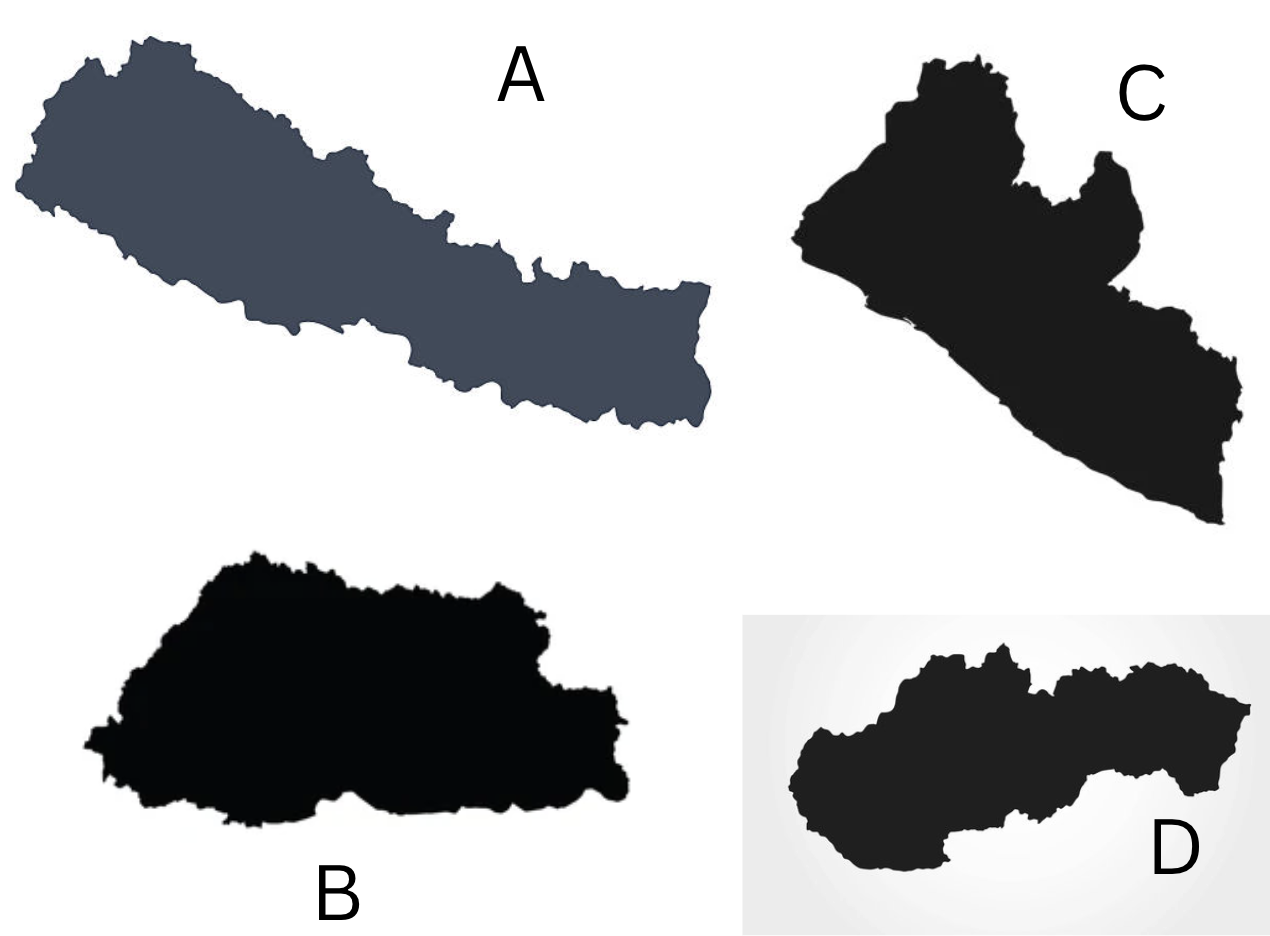
Everest sits right on the border between Nepal and Tibet, but most climbing expeditions start from the Nepal side. What country below is Nepal?
⚡ Share The Stoke
This newsletter is for mountain lovers, first chair advocates, and the ones who live for type 2 fun. Basically, the type of people whose "five-year plan" is just a list of peaks and routes!
If you know someone like that, forward this email or send them to thestokereport.com. Thanks for spreading the stoke — it seriously means a lot!
Answer!
A. is Nepal!!! // B. is Bhutan // C. is Liberia // D. is Slovakia
See you soon,
Tyler
Creator — THE STOKE REPORT
