

Good morning, Stoke Crew. I enjoyed writing this, lots of interesting sh*t happening in the outdoor world. Hope you enjoy! Lets goooo!!
In today's report
- 🚲 The BLM is proposing to open 220+ miles of Western Colorado singletrack to e-bikes
- 🛶 Arkansas River rafting season is starting early
- 🏔️ Everest's 2026 season opens with stricter waste rules
- 🏔️ Fraud on Mt. Everest!
- 🌲The Forest Service is moving its headquarters
MOUNTAIN BRIEFING
⛰️ E-bikes & early rafting
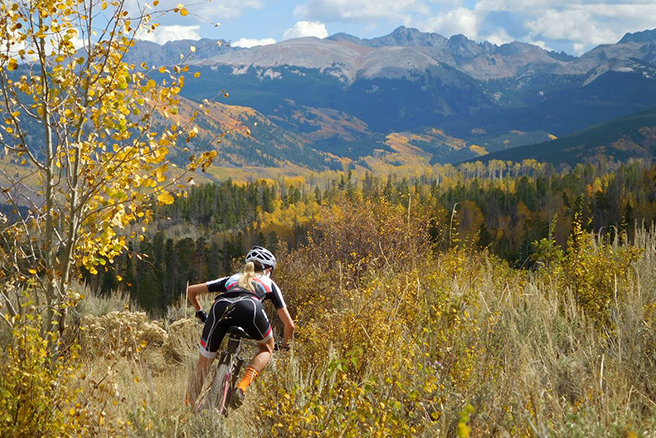
🚲 The BLM's Colorado River Valley Field Office is proposing to open all 220+ miles of its singletrack mountain bike trails to Class 1 e-bikes across Pitkin, Eagle, and Garfield counties. Currently, only 18 miles (Grand Hogback trails north of Rifle) allow e-bikes. The proposal follows Moab's March 1 opening of 200+ miles and would affect popular trail systems around Carbondale (The Crown, Red Hill, Thompson Creek), Eagle (Hardscrabble), New Castle, Glenwood Springs, Gypsum, and Rifle.
- The BLM accepted public comments through March 25 and hosted meetings in Eagle and Silt. A Roaring Fork Mountain Bike Alliance survey (1,300+ responses) found 60%+ supportive or neutral on e-bike access, with 20-30% opposed.
- Wilderness Workshop, a conservation nonprofit opposes the "blanket" approach, arguing e-bikes don't belong everywhere and calling for site-specific assessments.
- Only about six miles of trails are excluded from the proposal, those connecting directly to Forest Service land (which is not considering e-bike expansion).
- The proposal mirrors the Moab process: after scoping, the BLM will conduct a NEPA environmental assessment and issue a decision.
Why It Matters: The BLM is essentially asking: should we treat e-bikes as bikes, or something different? How Colorado's most mountain bike communities answer that question will shape trail policy across the West in the future! Moab went all-in. Colorado is still deciding….
🛶 Colorado's Arkansas River rafting season is starting earlier than usual as record-low snowpack melts rapidly under March's unusually high temperatures. Some outfitters have already begun limited trips, with most expecting to ramp up by early May.
- The Arkansas River draws more than 175,000 rafting visitors annually and contributes an estimated $50-60 million to the regional economy around Buena Vista, Cañon City, and Salida. More than 75% of visitors come from outside Colorado.
- Unlike Colorado's free-flowing rivers, the Arkansas benefits from a voluntary flow management program (established 1990) that releases water from reservoirs between July 1 and August 15, providing a floor for commercial rafting through Labor Day. This makes it less vulnerable to the snowmelt timing issues affecting other rivers.
- Outfitters are preparing for a potentially shorter season on free-flowing rivers like Clear Creek and the Eagle, where the early melt could leave water levels too low by midsummer. Some are investing in smaller boats and pivoting toward inflatable kayaking to extend their seasons.
Environment
🏔️ The season of Mt. Everest
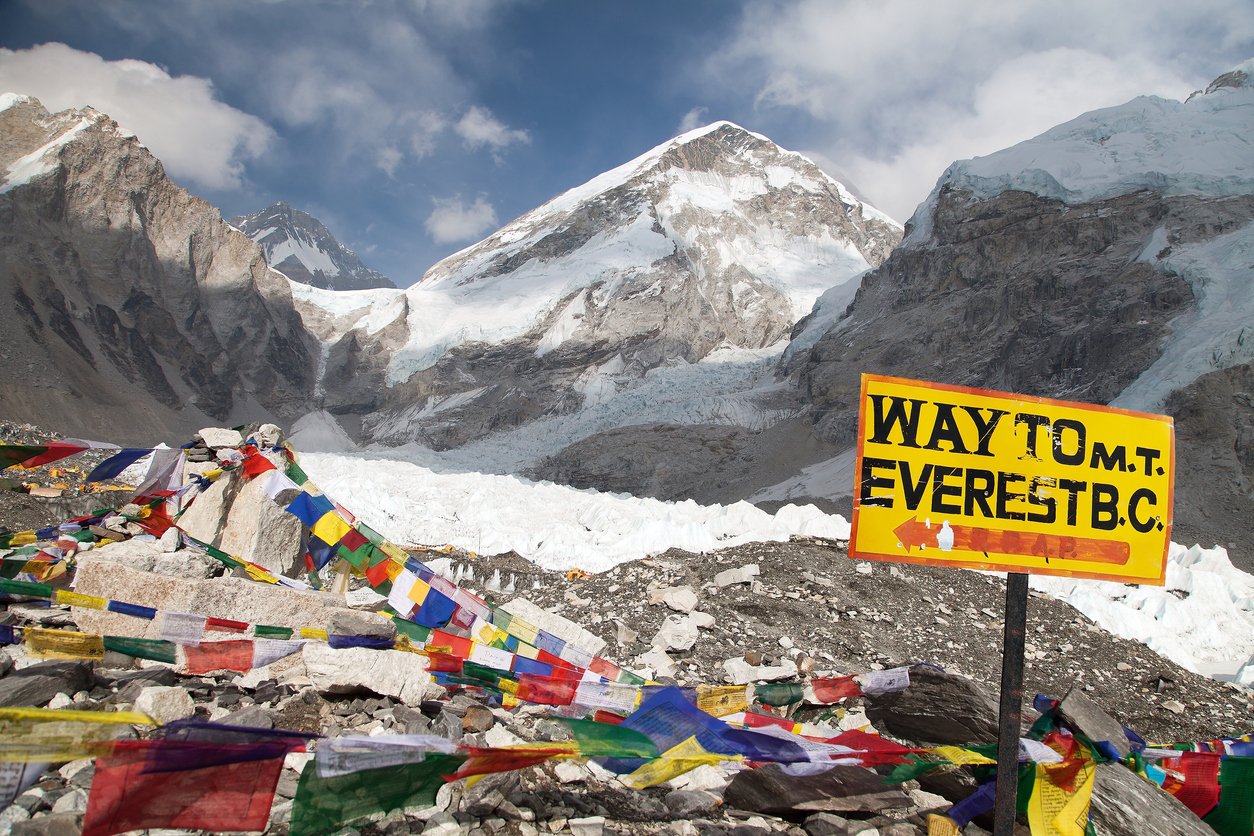
🧊 Everest Base Camp is ready for the 2026 spring season, with stricter regulations on waste management, helicopter use, and safety for local workers now in effect. Nepal has also appointed its first mountaineering Sherpa as a Member of Parliament: Mingma David Sherpa, co-owner of EliteExped and a winter K2 summiter.
- New waste rules require each climber to bring down 2kg of waste from above Camp 2 (in addition to the existing 8kg deposit at Base Camp). Climbers must use poo bags provided by the Sagarmatha Pollution Control Committee, not their own. Garbage must be segregated by type at all camps.
- Helicopter "shortcuts" for tired climbers descending from the summit are now banned on Everest following a 2024 Supreme Court directive. Airlifts are authorized only for genuine medical emergencies.
- The proposed requirement that all Everest climbers must first summit a 7,000m peak in Nepal is not yet law for 2026. The Tourism Bill has passed the upper house but still needs lower house and presidential approval, likely taking effect in 2027. This may create a rush of less-experienced climbers attempting the mountain this season before the rule kicks in.
- The Tibet/North Side of Everest remains unexpectedly closed for 2026, with no reason given by Chinese authorities. All climbers will ascend from Nepal.
- UK guide Kenton Cool is aiming for his 20th Everest summit, more than any other Westerner. Permits cost $15,000 this spring (up 36% from $11,000). Expedition costs range from $52,000-$58,000, with premium packages exceeding $120,000.
Why It Matters: The 7,000m prerequisite not yet being law for 2026 could produce an unintended consequence: a rush season of inexperienced climbers trying to get in before the door closes. Combined with the North Side closure funneling everyone to Nepal, this spring could see record permit numbers on a route that's already dangerously crowded. The waste and helicopter rules are good, but the bigger systemic question remains unanswered.
🏔️ Nepalese police have charged 32 people in connection with a $20 million insurance fraud scheme in which trekking guides allegedly poisoned climbers' food with baking soda to trigger fake medical emergencies and helicopter evacuations along Everest trekking routes. Nine suspects appeared in Kathmandu District Court, with 23 still at large.
- Investigators say guides laced food with sodium bicarbonate (baking soda), which in large quantities elevates blood pH and produces symptoms mimicking altitude sickness
- Police identified more than 300 fraudulent rescues between 2022 and 2025. One company allegedly faked 171 of 1,248 claimed rescues, collecting over $10 million. A second fabricated 75 of 471 claims for $8 million.
- The network included trekking company owners, helicopter operators, and hospital executives. Prosecutors are seeking fines totaling approximately $11.3 million.
- The scandal has prompted several major international insurers to halt or restrict coverage for Nepal trekking in recent years, threatening the country's tourism economy. Nepal's tourism industry is a major economic lifeline, and honest operators are feeling the reputational damage.
Why It Matters: The Everest ecosystem runs on trust: trust that your guide has your safety in mind, that a helicopter rescue is genuine, and that the hospital treating you is acting in your interest. This scheme broke every link in that chain. For the thousands of honest guides, Sherpas, and operators who make Himalayan tourism work, the reputational damage from 32 people's actions threatens an industry that sustains entire communities.
Business
🌲 The Forest Service moves West
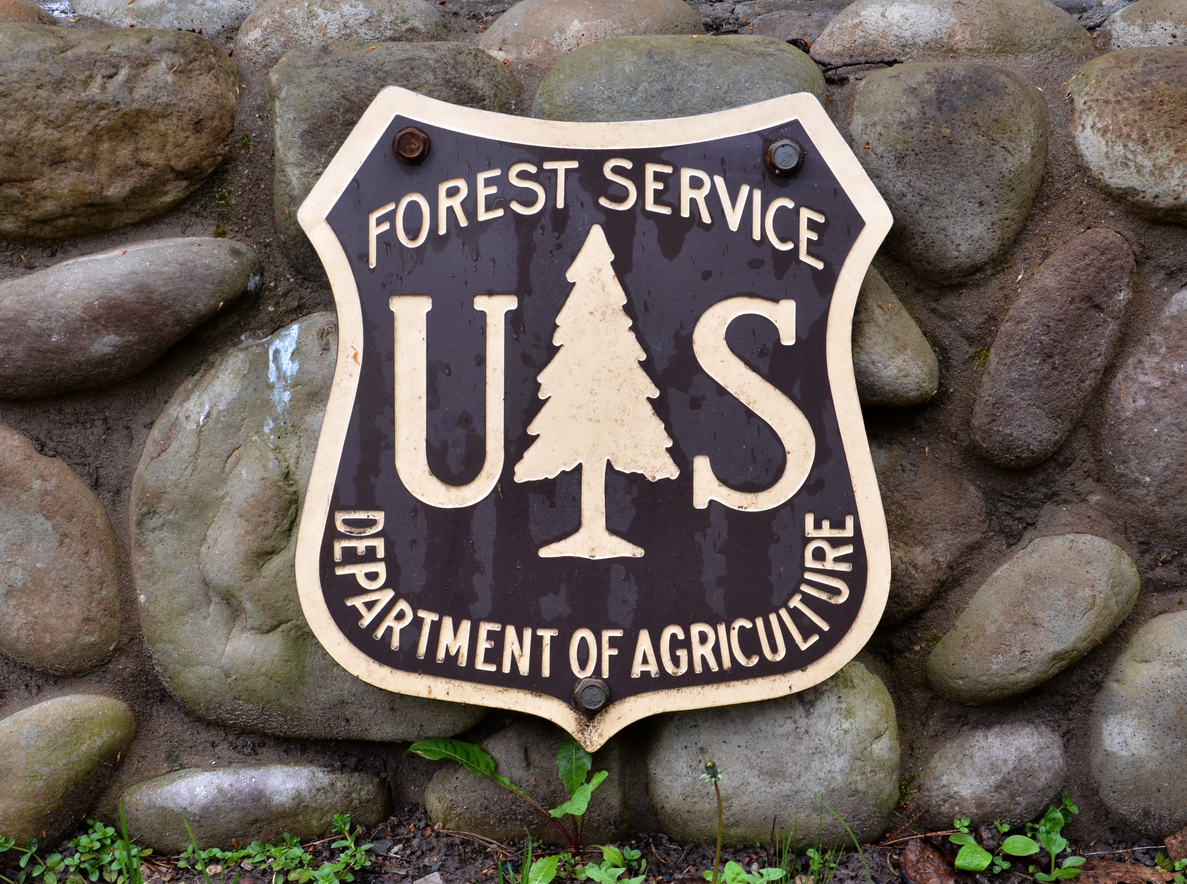
🏛️ The U.S. Forest Service is moving its headquarters from Washington, D.C. to Salt Lake City and transitioning to a "state-based organizational model" in what it calls a sweeping restructuring. All 10 regional offices will close, replaced by 15 state directors overseeing one or more states. Dozens of research centers will be consolidated into a single research organization based in Fort Collins, Colorado.
- Six "operational service centers" will be established in Fort Collins, Albuquerque, Athens (GA), Madison, Missoula, and Placerville (CA). The Lakewood, Colorado regional office will close.
- The restructuring will be implemented over the coming year. Fire and Aviation Management will maintain its existing structure until wildland fire operations are unified into the new U.S. Wildland Fire Service.
- Forest Service Chief Tom Schultz said the move brings leadership "closer to the forests and communities it serves." Colorado Gov. Polis praised the plan, noting that more than a third of Colorado is federal land including "world class ski areas like Vail and Breckenridge."
- The agency said frontline operations (active forest management, wildfire response, recreation management, restoration) will continue without interruption.
Why It Matters: The Forest Service manages 193 million acres, most of it in the West. Moving headquarters to Salt Lake and consolidating research in Fort Collins puts leadership closer to the land, but closing all 10 regional offices is a massive structural change that will ripple through how every national forest is managed, from the White River (the busiest in the country) to small forests in the Southeast.
📚 Trailhead Trivia
How many people climb Everest each year?
⚡ Share The Stoke
This newsletter is for mountain lovers, first chair advocates, and the ones who live for type 2 fun. Basically, the type of people whose "five-year plan" is just a list of peaks and routes!
If you know someone like that, forward this email or send them to thestokereport.com. Thanks for spreading the stoke — it seriously means a lot!
Answer!
Around 800 to over 1,000 people (including climbers and Sherpas) attempt to summit Mount Everest annually, with successful summits varying widely based on weather.
See you soon,
Tyler
Creator — THE STOKE REPORT
