

Good morning, Stoke Crew. Nothing like clearing snow off your car at the beginning of May, classic Colorado! I'm home in Arizona for a little Mother's Day camping trip in Flagstaff. I really enjoyed writing this one! Let's get into ittt! Hope you enjoy :) Stay STOKED - Tyler
In today's report
- 🏃 Rachel Entrekin wins Cocodona 250 outright
- 🚠 Telluride modernization plan
- 🏔️ Purgatory reshuffles leadership
- 🐟 $99 million behind Pacific salmon recovery
- 📉 U.S. ski visits drop 9 million
Today's Stoke Story
🏆 First woman ever to win Cocodona 250
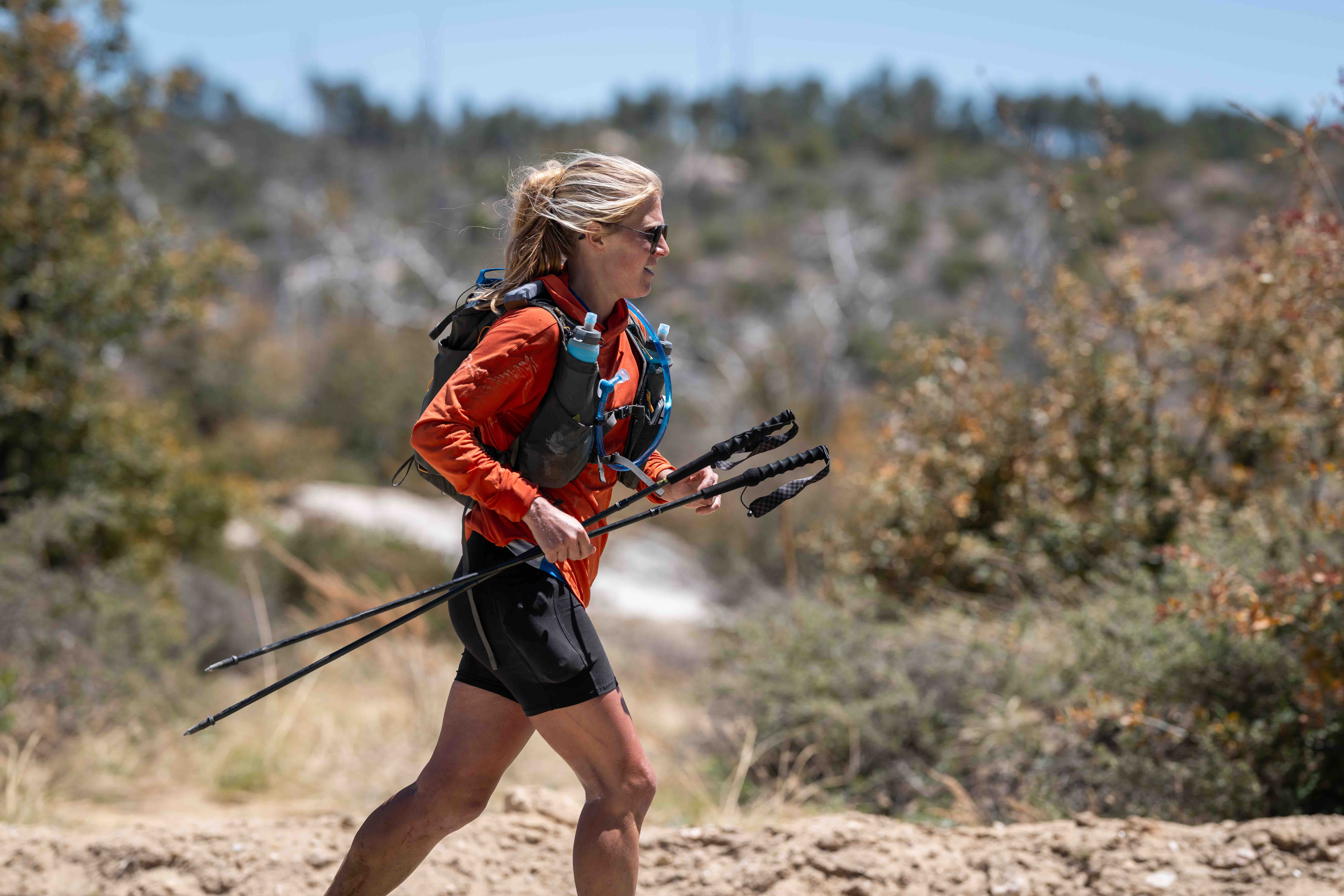
🏃 Rachel Entrekin became the first woman to win the Cocodona 250 outright, beating every man and woman in a stacked 253-mile field through central Arizona. The 34-year-old Coloradan stopped the clock at 56 hours, 9 minutes, taking more than 2 hours off the previous course record set by Dan Green in 2025 and crushing her own women's record by nearly 8 hours. Her pace was was 13:19/mi for 253 miles, pretty fu*cking badass!!
- Cocodona runs from Black Canyon City near Phoenix up to Flagstaff with roughly 40,000 feet of vertical, climbing from the saguaros of the Sonoran Desert to the 9,000-foot top of Mount Elden across technical singletrack and river crossings. The race started at 5 a.m. Monday; Entrekin crossed Wednesday afternoon.
- It was her third straight Cocodona women's title. She placed 11th overall in 2024 and 4th overall in 2025.
- Entrekin set a goal of "only dirt naps" with no van stops, sleeping just 19 minutes total over the multi-day push.
- The field was loaded: Courtney Dauwalter ran in 6th overall, and Kilian Korth finished 2nd overall around 1 hour and 18 minutes behind Rachel!
Why It Matters: Outright wins by women in fields this stacked are rare in 250-mile racing! Entrekin didn't just out-run the women's field, she out-ran a roster that included the most decorated ultrarunners on the planet and beat the existing course record by more than two hours! Check out her instagram here! Side Note: A runner passed away during this race, my condolences go out to their loved ones.
Mountain Briefing
🌲 2 Colorado resorts plan the next chapter
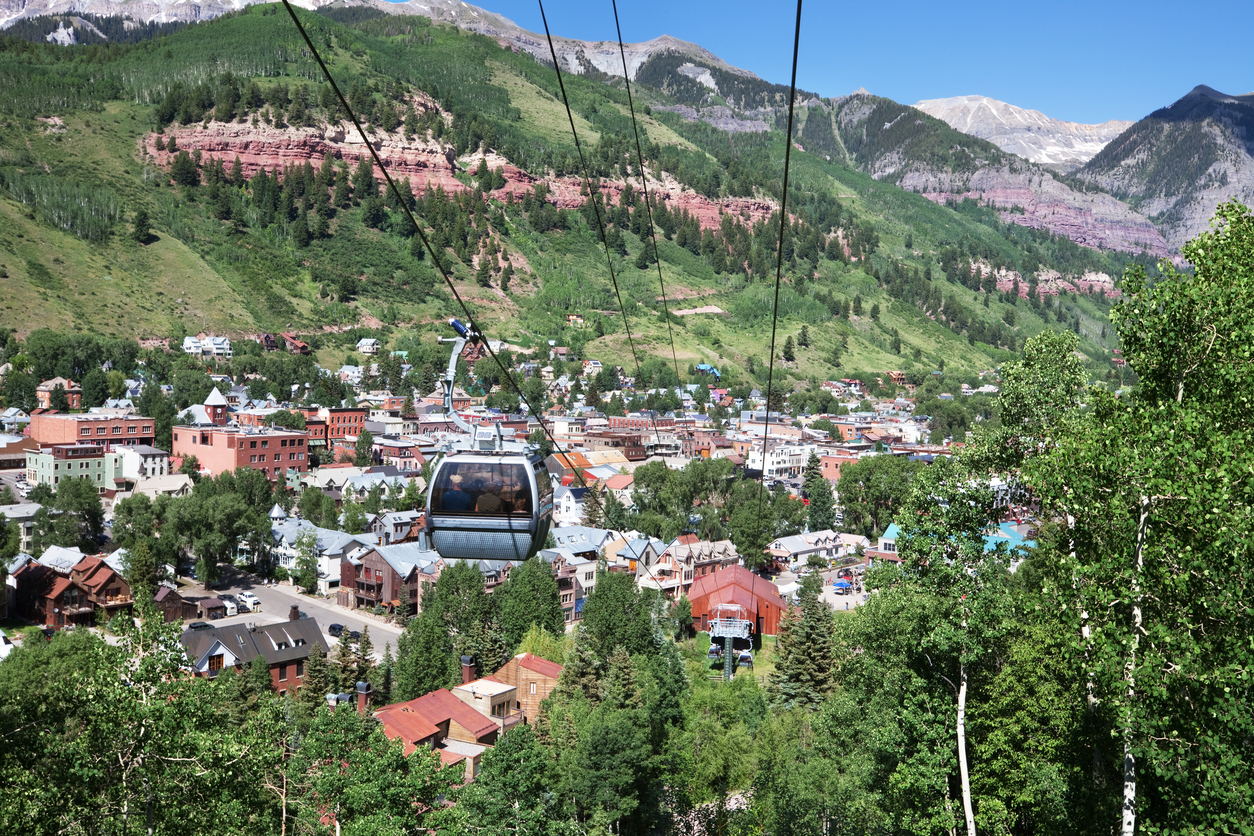
🚠 The Forest Service has released a draft environmental assessment proposing a sweeping modernization of Telluride Ski Resort, with new lifts, expanded mountain dining, and a new beginner mountain-bike trail. The April 2026 plan from the Grand Mesa, Uncompahgre and Gunnison National Forests builds on Telluride's 2017 Master Development Plan and is open for public comment.
- Lifts 7 and 8, both holdovers from the early 1970s, are slated for in-line replacement. Lift 7 (a 1975 fixed-grip double) becomes a modern triple or quad and could add more than 1,500 people per hour of uphill capacity. Lift 8's top terminal moves 300 feet downhill from a wetland to a flatter unloading zone.
- A new 1,800-foot skiway gives skiers a safer way out of the Lift 9 area, and the Galloping Goose return route to the base gets widened by 30 feet to ease end-of-day bottlenecks for beginners.
- The High Camp warming hut at the top of Lift 12 expands by 2,000 square feet into a full-service restaurant, ending the cross-mountain trek for lunch in Prospect Basin.
- For forest health, the plan uses cable-anchored logging machines (tethered to fixed points at the top of slopes) to clear dead and beetle-killed trees on terrain steeper than 40%, at about a quarter the cost of helicopter logging. Federal review found the work is "not likely to adversely affect" Canada lynx, the threatened species native to the spruce-fir forest around the resort.
Why It Matters: The pieces matter when you stack them. New lift capacity, a real restaurant up high, a beginner exit route, and cheaper forest-health logging are the kind of compounding changes that quietly improves Telluride without changing the character of the mountain. Although you'd think paying resort workers a livable wage would be on the same capital investment list...
🏔️ Purgatory Resort has reshuffled its leadership team, with longtime general manager Dave Rathbun moving up to chief executive of Purgatory Holdings as the southern Colorado mountain pivots to a longer-range strategy after a brutal snow year. Josh Benson takes over day-to-day operations as senior director of resort operations, and Michael Rosenfeld becomes senior director of village operations. The shifts were announced in an April 10 blog post.
- Rathbun said the move out of daily operations is aimed at "developing solid business strategy" and navigating the compliance and permitting maze that dictates the resort's long-term growth. Under the new structure, his focus shifts to capital projects including a planned new Gelande lift and snowmaking upgrades on the Divinity Trail.
- Mountain Capital Partners has owned Purgatory since 2015 and has put the resort through a major glow-up in that time: a detachable high-speed quad, beginner surface lifts, and reinvestment in trails and snowmaking. Restoring the original "Purgatory" name from the rebranded "Durango Mountain Resort" was MCP's first move after acquisition.
- The 2025/26 winter was rough at the resort, which sits 25 miles north of Durango. OpenSnow logged 104 inches of snow this season, just 34% of Purgatory's yearly average.
Why It Matters: A 34%-of-average snow year doesn't stop at the resort entrance. It hits every business in the valley that depends on the mountain pulling people in. Purgatory's reshuffle is a bet on the next decade rather than the next bad winter, and the people making those calls are why we still get to ride a chair up and enjoy fun days skiing.
Environment
💧 Fish news!
🐟 NOAA Fisheries is making up to $99 million available through the Pacific Coastal Salmon Recovery Fund, with the money flowing to states and tribes for habitat restoration, hatchery operations, monitoring, and research aimed at salmon and steelhead populations across the West Coast and Alaska. Of the total, $34.4 million comes from the Bipartisan Infrastructure Law. Applications are due June 29, with award announcements expected in September.
- Eligible applicants include Alaska, California, Idaho, Nevada, Oregon, and Washington, plus federally recognized tribes of the Columbia River Basin and Pacific Coast. Individual project requests can run up to $25 million.
- The fund prioritizes salmon and steelhead, populations tied to tribal treaty fishing rights and Native subsistence, and Pacific coastal habitat. NOAA says past investments have correlated with population gains in most threatened and endangered runs.
- The money lands in a make-or-break stretch for West Coast salmon. California just reopened commercial and recreational ocean salmon fishing in 2026 after three straight closure years driven by historically low Chinook returns. A new study in Global Change Biology found that 80% of young salmon entering the Sacramento-San Joaquin Delta never make it out, the lost fish nicknamed "river ghosts."
- Recovery work is showing results elsewhere: the Klamath River dam removals are restoring hundreds of miles of spawning habitat, and Putah Creek has drawn more than 2,100 returning salmon producing nearly half a million juveniles.
Why It Matters: Pacific salmon are in rough shape. California just reopened the ocean fishery after three straight closed seasons, and runs across the West Coast are still well below historic numbers. $99 million won't fix that overnight, but it's the kind of steady federal investment that actually keeps salmon recovery moving forward.
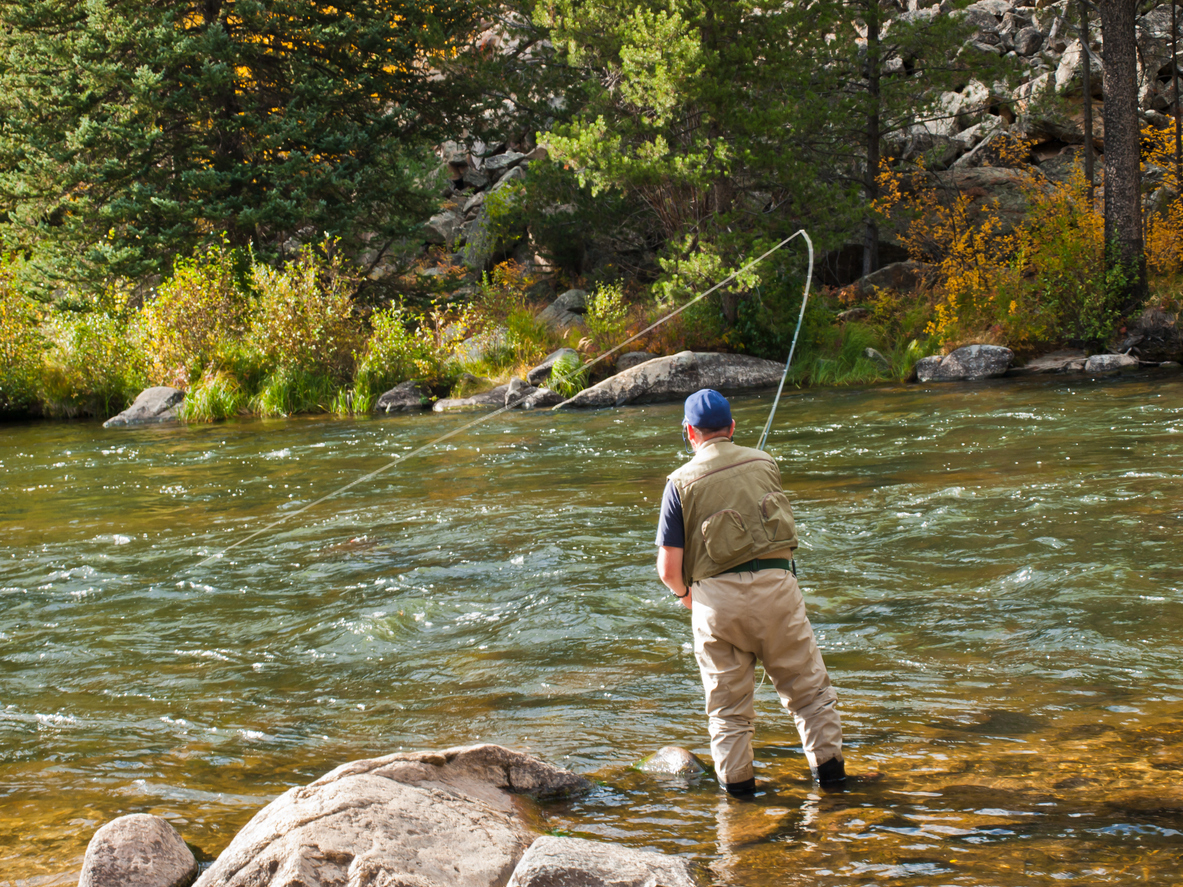
🎣 Colorado's trout fisheries are heading into a brutal summer, with widespread drought and below-average streamflows threatening the state's $2 billion angling industry. Most rivers are expected to run at half normal flows, and some at closer to a quarter, after the worst snowpack year in recorded history and a March heatwave that pulled snow off the mountains a month early.
- Kirk Klancke, who runs the Colorado Headwaters Chapter of Trout Unlimited, said the state is "really worried this year is going to be really hard to keep fish alive." Low flows pool less water across the same wide channels, the rocks bake, and water temperatures climb. Hot water holds less oxygen, and trout (the cornerstone of Colorado's fisheries) can't breathe.
- Trout Unlimited and most outfitters recommend anglers stop fishing for trout when water temps hit 68°F. Colorado Parks and Wildlife flags 71°F as the threshold for stress and reduced feeding; the agency can issue voluntary or mandatory closures of stretches when conditions warrant.
- Colorado has 6,000 miles of streams, more than 360 miles of Gold Medal trout fishing, and over 15,000 angling jobs at stake. Long-range forecasts call for above-normal western Colorado temperatures over the next three months.
Why It Matters: Drought response in Colorado has mostly been framed around water utilities and agriculture but we all know the downstream effects flow deeper than that. The trout side of the story doesn't usually make the front page, and that's the problem. There's no version of a $2 billion trout industry that holds up if 68°F becomes a normal summer reading instead of a rare one.
Business
💰 Industry shakeups
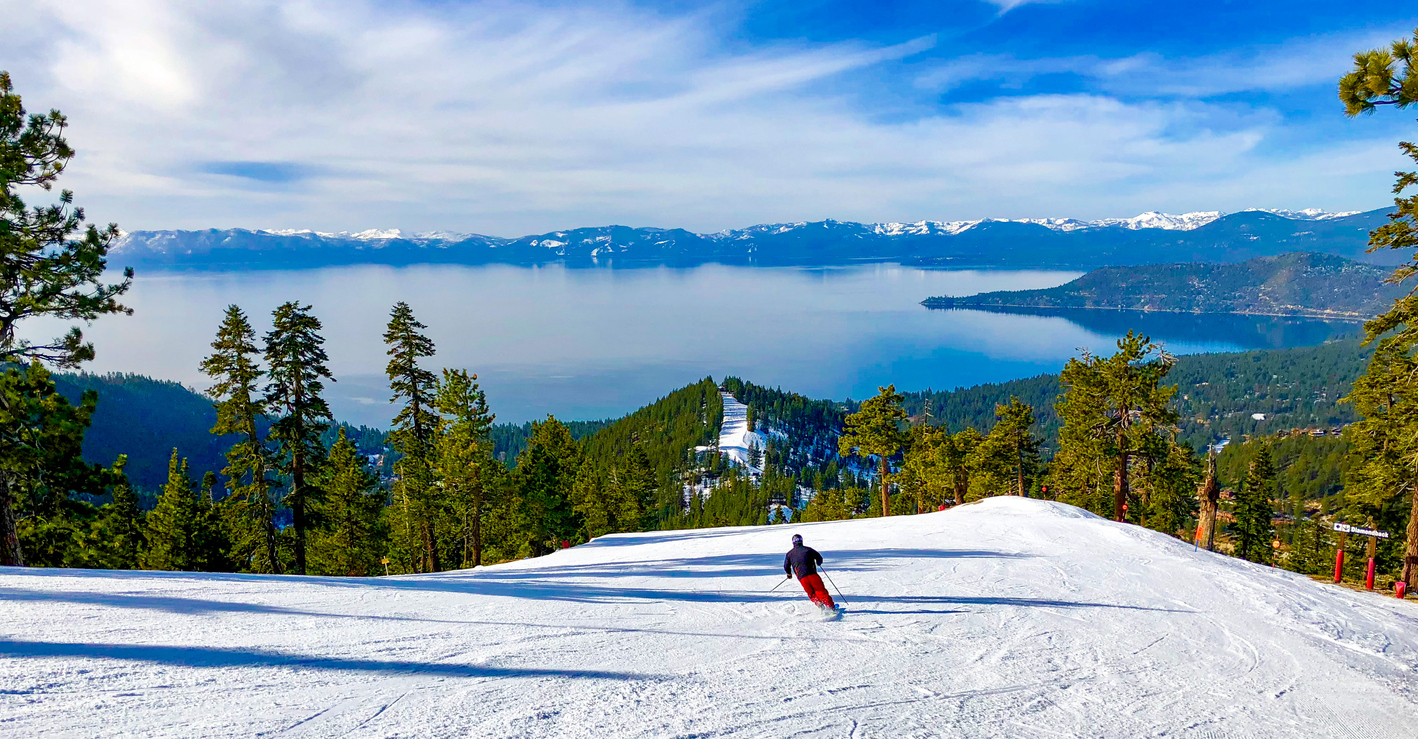
📉 U.S. ski areas logged 52.6 million visits in 2025/26, down 9 million from last year. Every Western region was well below average snowfall and Colorado's snowpack is the worst on record (Late-season snow might bump these numbers slightly, but there are too many variables to really know. Either way, the bigger truth is the simpler one. This season was sad and bad.). Vail Resorts reported a 25% decline at its Rockies properties.
Why It Matters: A single warm, dry winter erasing 15% of national visitation isn't a cycle, it's an exposure. The industry can absorb one. The longer-term question is what happens when the bad years start to stack two or three deep across the West.
💼 Outdoor Research has named Scott Kerslake acting president, effective May 11, while the Seattle-based outdoor brand searches for a permanent head. Kerslake is best known as the founder of Athleta, which he built into one of the leading women's active apparel brands, and as the former CEO of Prana, where he led the brand through significant growth and built its sustainability bona fides. He has also held leadership roles at Nixon and Mountain Hardwear.
What else is going on
- Two brothers injured in Yellowstone's first 2026 bear attack.
- Serac collapse buried two climbers in Everest's Khumbu Icefall triggering 90-minute helicopter rescue to Kathmandu; both stable and expected to fully recover.
- Snowbird closes May 10 after low-snow season with just 305 inches, ending Utah's ski season earlier than usual.
📚 Trailhead Trivia
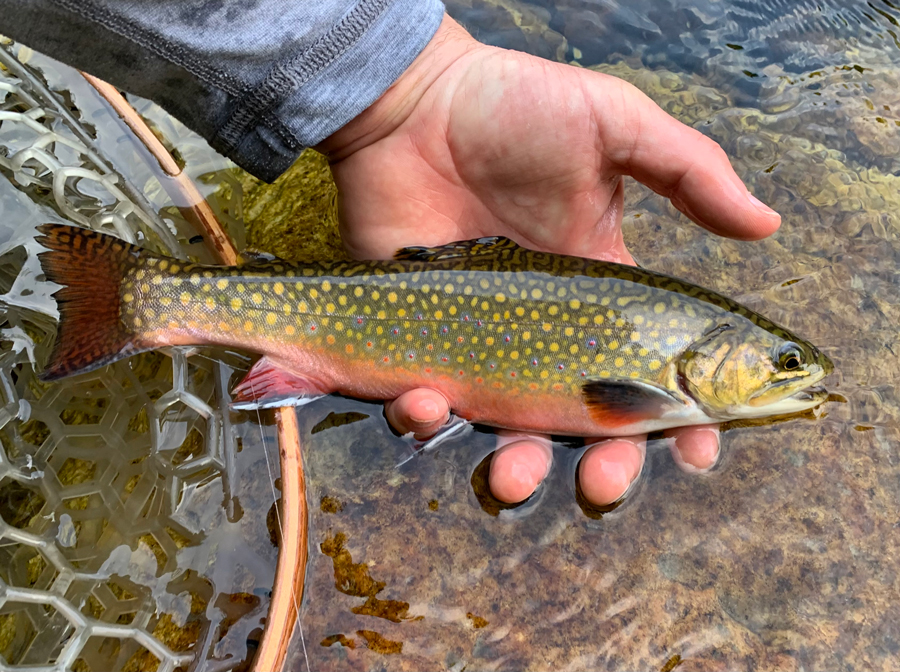
Can you name this species of Trout?
⚡ Share The Stoke
This newsletter is for mountain lovers, first chair advocates, and the ones who live for type 2 fun. Basically, the type of people whose "five-year plan" is just a list of peaks and routes!
If you know someone like that, forward this email or send them to thestokereport.com. Thanks for spreading the stoke — it seriously means a lot!
Answer!
Brook Trout
See you soon,
Tyler
Creator — THE STOKE REPORT
