

Good morning, Stoke Crew. Hope you're all having a great week! The longest day of the year has come and gone, long summer days are truly the best!
Alright, let's get into the cool outdoor industry news! Yeew! Stay STOKED - Tyler
In today's report
- 🌲 Purgatory and Montrose fire up summer biking
- 🏆 Finn Iles and Anna Newkirk win UCI DH race
- ⛷️ Colorado lands big share of World Cup racing
- 🎿 Freeriding could make its Olympic debut in 2030
- ⛰️ Hanging Lake reopens after a six-year rebuild
- 🚧 Senators move to gut the Roadless Rule
Mountain Briefing
🚵 This week in biking!
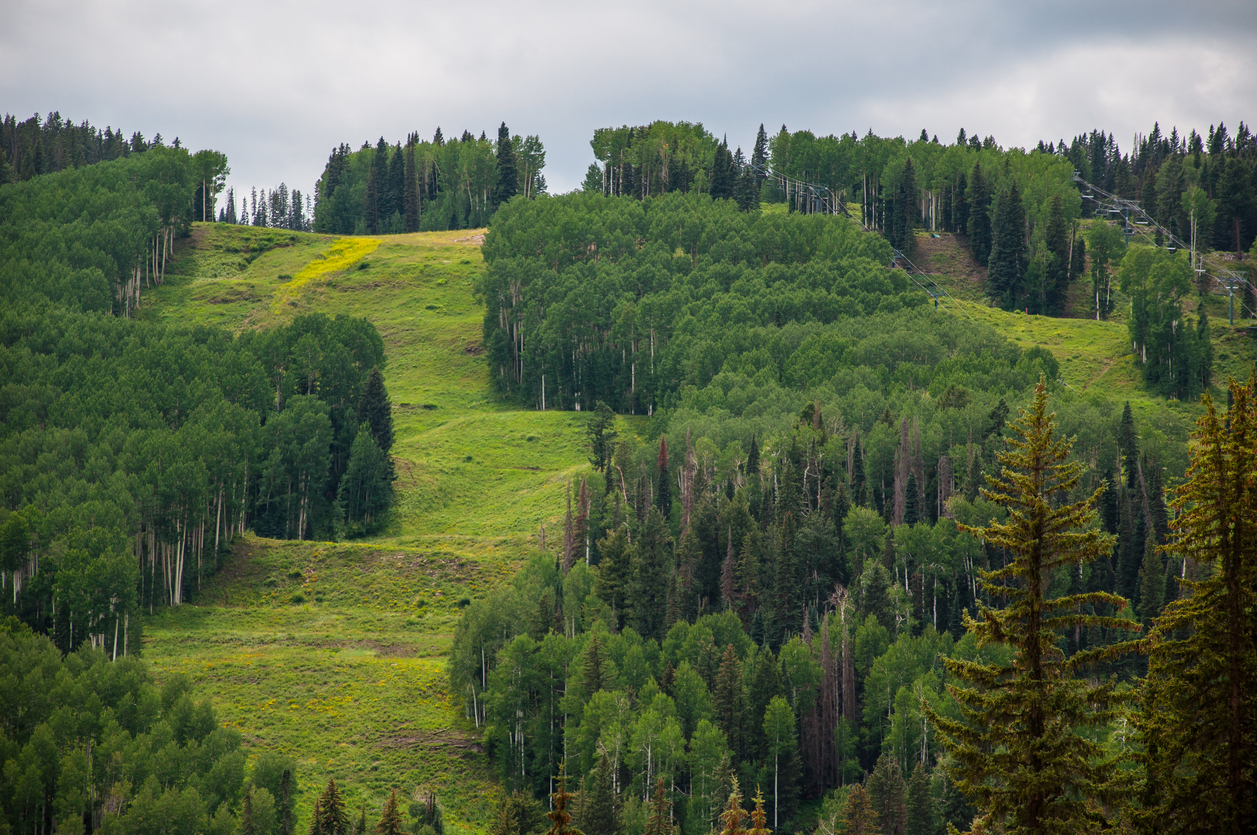
🌲 Purgatory Resort kicked off summer on June 20. The San Juans hill is spinning lifts for downhill biking Thursday through Sunday, with base-area fun for the whole family and a loaded event slate on top. The headliner is the Durango Classic, the season finale of the revived Mountain States Cup downhill series, alongside the debut Mushroom & Wine Festival (Sept. 4-6). Looking to winter, Purgatory is putting in the new Colorado Couloir Lift plus five new trails for 2026-27, carving out a fresh way onto the upper mountain.
The big one: Purgatory landed the 2030 UCI Mountain Bike World Championships, with downhill, cross-country, short track, and e-bike racing on the hill. It's a homecoming, since Durango and Purgatory hosted the first UCI Mountain Bike World Championships in 1990. Two separate races are coming, and the distinction matters: a UCI World Cup round in 2029, then the World Championships in 2030. A World Cup is one stop on the season-long touring series where riders rack up points round after round. The World Championships is the standalone, one-off event where the world's best meet on a single weekend to crown a world champion. The 2029 World Cup is the tune-up; the 2030 World Championship is the main event.
Why It Matters: UCI racing returning to Purgatory is the big story, it puts southwest Colorado back on the global mountain bike map.
🏆 Finn Iles went back-to-back at the Lenzerheide UCI downhill World Cup, winning by 0.482 over Amaury Pierron to grab the overall series lead. On the women's side, Anna Newkirk dropped in last and won her first-ever elite World Cup, becoming the first American woman to win an elite downhill World Cup in 23 years and ending Vali Höll's win streak. North American men have now swept all four rounds of the season!
Why It Matters: Newkirk's win is a generational breakthrough for US women's downhill after 23 dry years. Pair it with North America sweeping the men's side, and the old French-and-British grip on this sport is officially slipping. Au revoir!
🚲 Montrose is finally getting true in-town trails. The proposed bike park will drop four or five gravity lines on east facing slope in Baldridge Regional Park, rideable straight from town for most residents. The 15-to-20-acre build packs a full progression (skills loop, green, blue, black, plus a tech trail) into about 100 feet of vertical, all pro-built and adaptive-friendly. COPMOBA (Colorado Plateau Mountain Bike Trail Association) is targeting a 2027 groundbreak, pending the roughly $300K-$350K in funding.
Why It Matters: In-town trails change who rides. No car, no tailgate, no 20-minute drive, just pedal from your house. Building the full progression ladder on one hill is how you grow a scene instead of scaring beginners off.
Skiing
🏅 Racing comes home, freeriding goes global
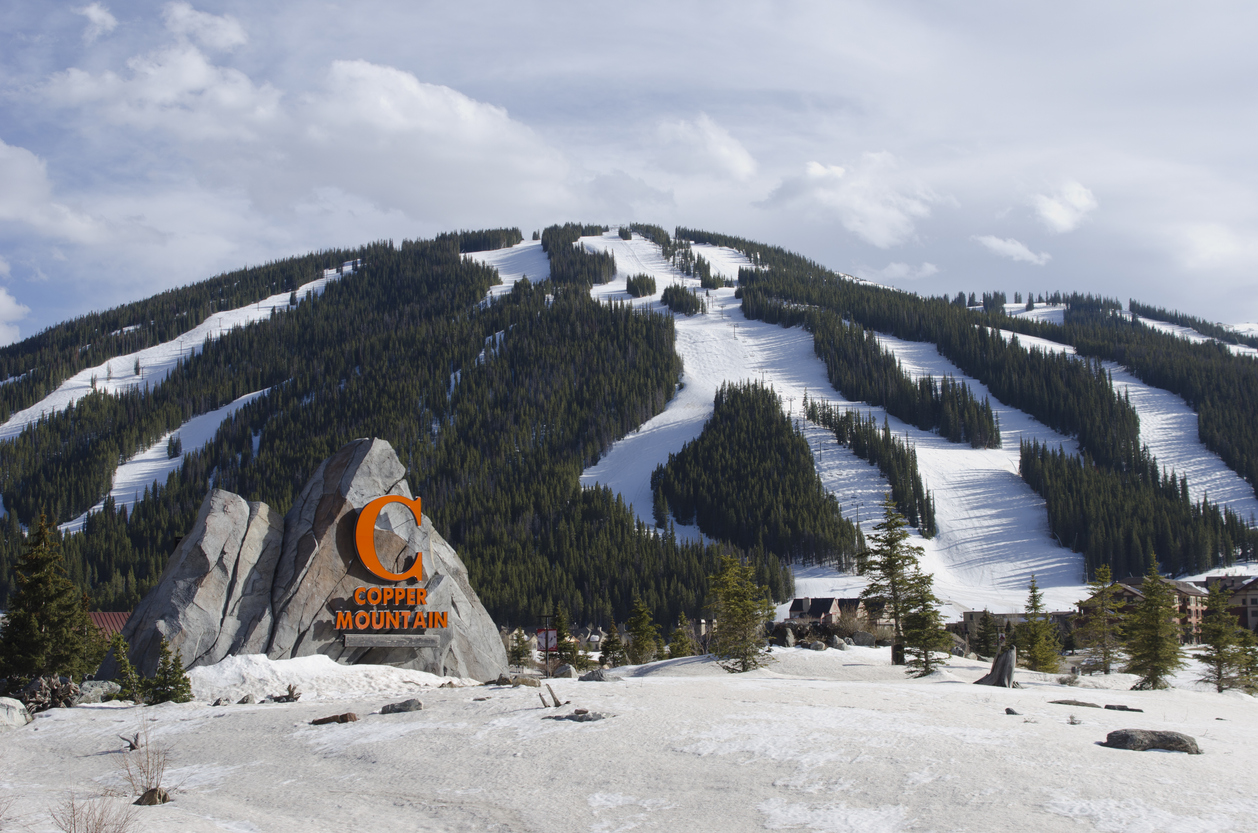
⛷️ Colorado just grabbed the bulk of America's World Cup ski racing for the 2026-27 season. Of the 15 races handed to US venues, nine land in Colorado, four of them downhills on Beaver Creek's Birds of Prey. The season kicks off Nov. 28-29 at Copper Mountain.
- The men get Birds of Prey first, Dec. 3-6: a four-race block of two downhill runs, a super-G, and a GS. The women take their turn there Dec. 11-13, with a pair of downhills and a super-G.
- The wild card is Vail's own Mikaela Shiffrin. The six-time overall champ has stayed out of downhill since January 2024 and leaned almost entirely on slalom last season, where she banked all 10 of her wins plus Olympic gold. Word is she'll dip back into a few super-Gs this winter.
- The season-ender comes home too: Sun Valley, Idaho hosts the World Cup Finals March 20-25, only the third time the US has landed the event since 2000.
Why It Matters: For mountain towns, a World Cup weekend is a tourism windfall, hotels, restaurants, and bars packed. Colorado landing the bulk of the US calendar is as much an economic play as a sporting one. Hosting races is also how a region stays relevant to the sport's future. Nine races on home snow means US athletes ski big events without jet lag, and a generation of Colorado kids gets to watch the best in the world from the fence line!
🎿 Freeriding could land in the Olympics for the first time ever. The discipline (skiers and snowboarders attacking wild, unmarked terrain with no course, scored on how they pick and ride their line through cliffs and powder) is a top contender for the 2030 Winter Games in the French Alps, with the IOC's (International Olympic Committee) call expected within days.
- FIS (International Ski and Snowboard Federation) bought the Freeride World Tour in December 2022, then made freeriding an official discipline in June 2024, the box that has to be checked before the IOC will even consider it.
- The IOC's call on the full 2030 program is due after its session on June 24-25.
- The IOC is openly hunting younger eyeballs, the same play that pulled in skateboarding, sport climbing, and surfing. FWT founder Nicholas Hale-Woods says broadcast partner NBC has told the IOC it "would love freeriding" in the Olympic grid.
Why It Matters: For the athletes, an Olympic medal changes everything: sponsorships, salaries, and a path that doesn't depend on a handful of contest stops. A whole generation of freeriders could finally make a real living doing the thing they love for their country!
Environment
🌲 One trail saved, millions on the line
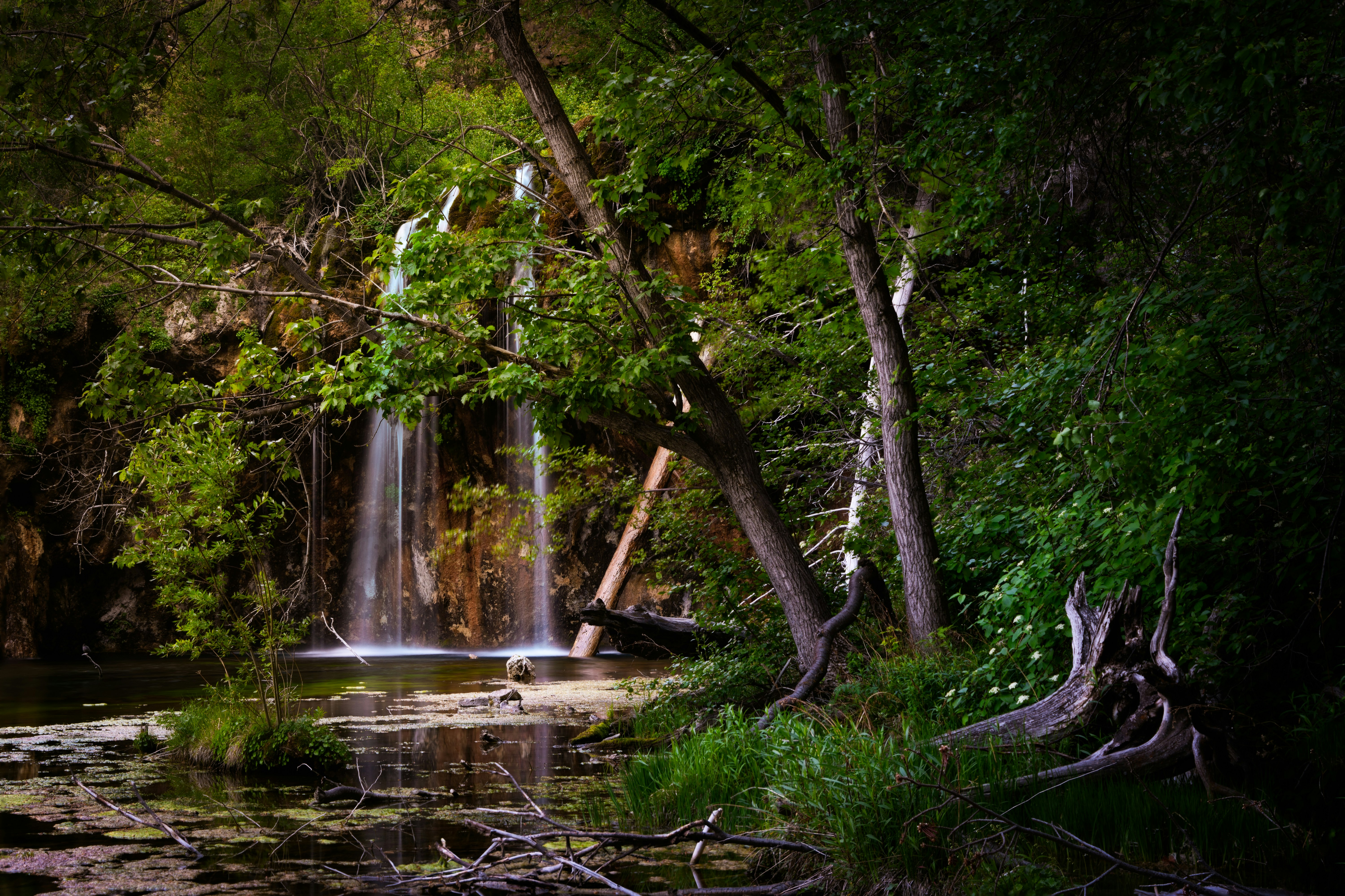
🏔️ Hanging Lake is fully open again. One of Colorado's most jaw-dropping hikes is back, reopened the week of June 18 after a roughly $4.9 million rebuild of a trail torn apart by the 2020 Grizzly Creek Fire and the floods and debris flows that hit the next year.
- In its pre-fire heyday, the trail pulled in north of 72,000 hikers a year and pumped an estimated $4.6 million into the local economy. Now entry is limited to 615 people a day, all booked ahead through reservations.
- This was a massive effort. Crews swapped out all seven bridges, set more than 1,000 stone steps by hand, dropped in a fresh boardwalk, and widened the trailhead. Building the new staircases alone meant moving 325 tons of rock by hand.
- Crews mapped the canyon's history of slides and rockfall and engineered the rebuild to take the next hit, not just repair the last one.
- The money came from a stack of partners, with the GOCO (Great Outdoors Colorado, a state program funded by Colorado Lottery proceeds that awards grants to protect and enhance the state's parks, trails, rivers, wildlife, and open spaces) about half and the rest split among the US Forest Service, the National Forest Foundation, Colorado Parks and Wildlife, and the City of Glenwood Springs. A reservation runs $12 a head.
Why It Matters: The reservation cap is the quiet story. Hanging Lake was getting loved to death before the fire, and holding the line at 615 a day is a bet that protecting a place sometimes means letting fewer people in. Expect more crown-jewel trails to follow. Cough Cough blue lakes.....
🚧 A 25-year-old protection for wild public land is suddenly on the chopping block. A Senate committee chaired by Utah's Mike Lee advanced an amendment to kill the 2001 Roadless Rule, which would yank protections off roughly 45 million acres of national forest in 37 states. The kicker: it was bolted onto the Wildfire Prevention Act, a bill with bipartisan backing until this rider showed up at the eleventh hour.
- The committee pushed it through on a narrow 11-9 vote. Critics call it a backdoor maneuver: the Forest Service is already running a public process on the rule, and 99% of the comments so far oppose repeal. The amendment would skip that process and block the rule from ever being reinstated without new legislation.
- Lee pitches the rule as a fire hazard, but opponents cite USDA numbers: roughly 85% of wildfires start with people, and most spark within a half-mile of a road that already exists, not deep in roadless country.
- Meanwhile, the Forest Service is already $8.6 billion behind on fixing the roads it's supposed to take care of.
- With amendments in place, the amended bill now goes to the floor, where 60 votes are needed to pass. We still have a key opening to weigh in and pressure lawmakers.
- Take Action: Email our Colorado senators here and here!
Why It Matters: This is the access we don't think about until it's gone. The Roadless Rule is why so much of the West still has quiet headwaters, intact backcountry, and trails that feel wild. Forty-five million acres is not an abstraction, it's where we hunt, fish, climb, and ski, and it's worth a quick email!
📚 Trailhead Trivia
Which French town hosted the very first Winter Olympic Games and what year was it?
🔥 The STOKE VOTE
Which would you rather watch live?
⚡ Share The Stoke
THE STOKE REPORT is a quick, no-fluff newsletter built for mountain lovers, adventure seekers, and the ones who enjoy a little type 2 fun!
If you know someone like that, forward this email or send them to thestokereport.com. Thanks for spreading THE STOKE — it seriously means a lot!
If you ever have ideas, tips, or stories worth sharing, reply to this email. I'd love to hear from you.
Answer!
Chamonix, France (1924)
See you soon,
Tyler
Founder / Editor — THE STOKE REPORT
