

Good morning, Stoke Crew. The long weekend forecast looks like "absolutely not sitting inside" with a 100% chance of questionable decisions and zero regrets! I'll be heading out to the Wind River range for some backpacking. Be safe and have fun this weekend!
Here the report, stay STOKED - Tyler
In today's report
- 🚠 Deer Valley tops out at 4,500 acres
- 🏃 An American just ran the fastest UTMB
- 🐟 Salmon reclaim 88% of the Klamath
- 🎿 Helly Hansen goes bigger
- ⚖️ Vail investors sue Vail
Skiing
⛷️ Deer Valley hits 4,500 acres
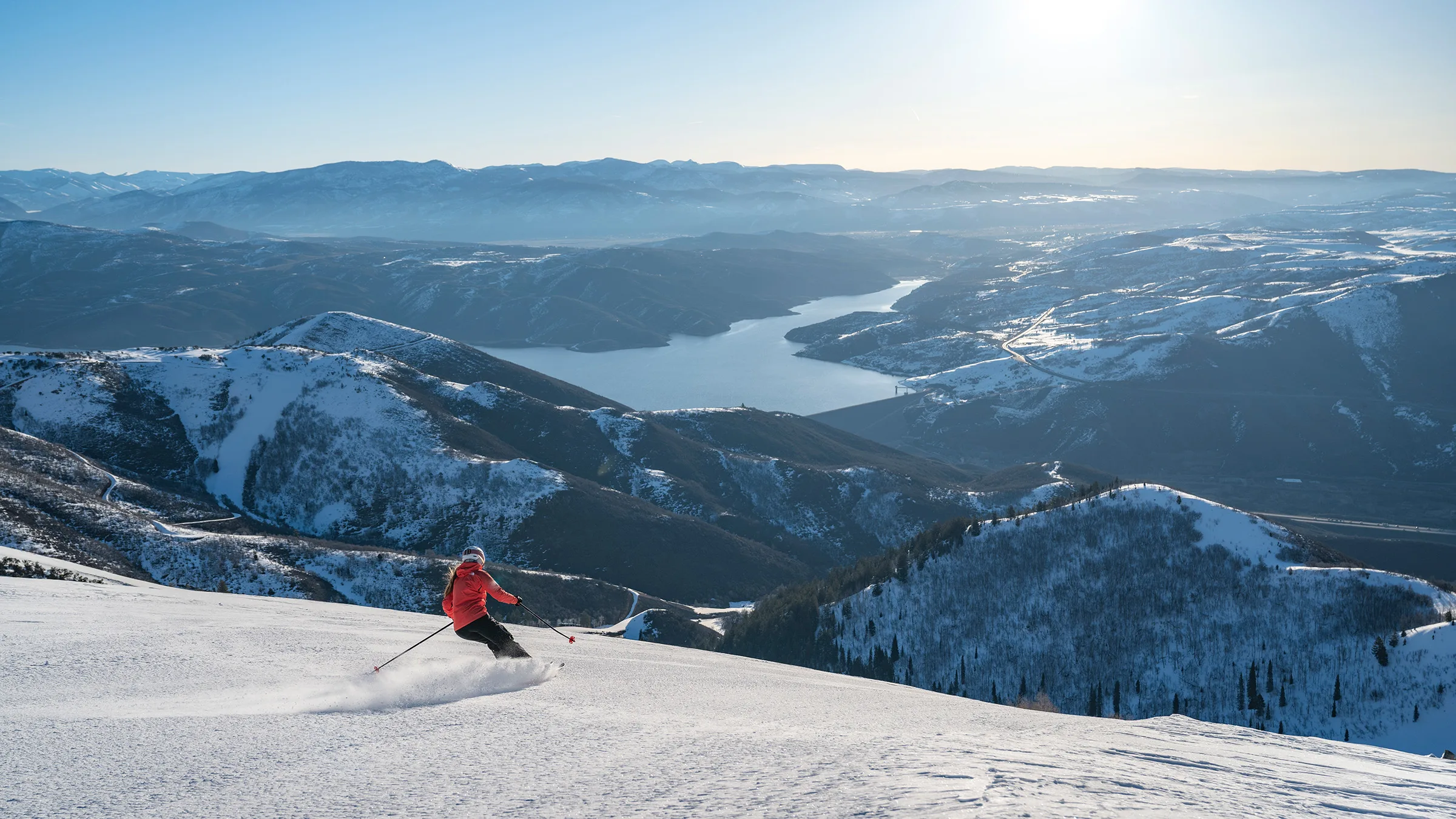
🚠 Deer Valley is about to jump a weight class. Crews are helicoptering in the Hail Peak Express in mid-September, the lift that adds seven runs and 200 acres, and it loads steps from where people park at East Village. When it spins this winter, the resort reaches 4,500 skiable acres, and only a handful of American hills will be bigger.
- The pace of this build is unmatched. 11 new lifts have gone in since December 2024, the terrain has doubled. The full master plan, which the resort bills as skiing's biggest-ever build-out, calls for roughly 3,700 added acres, 135 runs, and 16 lifts.
- Last winter exposed the catch. Two finished chairs, Pioche and Neptune, never spun once, and 17 of 202 trails stayed closed through one of Utah's worst snow years. A lot of the expansion terrain is low-elevation and south-facing, exactly where thin winters hurt first.
Why It Matters: The snow is the story to watch. You can build lifts on whatever schedule you want. Snow doesn't take orders. Low, south-facing terrain fails first in a warm winter. Good thing there's a 10-million-gallon reservoir sitting right next to Park Peak, ready to feed the snow guns! But IMO real snow > man made snow...
Ultra Running
🥇 The fastest lap around Mont Blanc
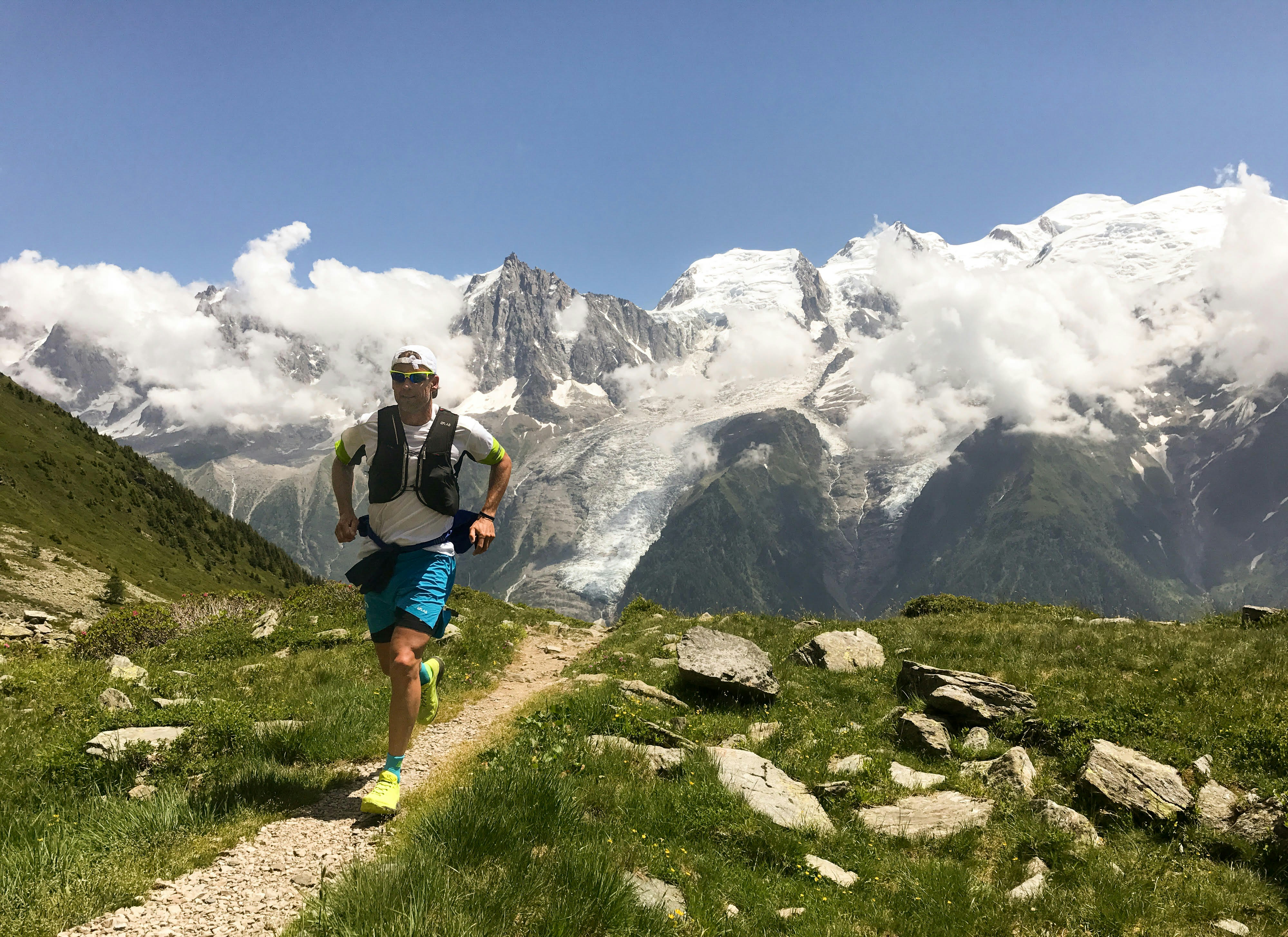
🏃 An American owns the fastest UTMB ever run. Ben Dhiman won trail running's biggest race in 18:16:29, the first sub-19-hour finish in its 23 editions. He grabbed the lead a quarter of the way in and ran the final 80-plus miles completely alone.
If you're new to it, UTMB is ultra running's Super Bowl. A 107-mile lap around Mont Blanc through France, Italy, and Switzerland, with roughly 32,000 feet of climbing.
- Storms pushed the start back two hours and forced a detour around one exposed section, which is why this counts as the fastest time ever rather than an official course record. Either way, the old best mark for a winner fell by more than 45 minutes.
- Nobody was close. France's Baptiste Chassagne took second more than 31 minutes back, and American Caleb Olson stormed to within 46 seconds of him at the line. All three men broke 19 hours, a barrier nobody had ever cracked.
- This was a four-year project. Two early attempts came apart in the overnight hours, 2025 brought the runner-up finish, and now this. His postrace summary: "It's a beautiful sport because it's really not complicated."
Why It Matters: Course asterisks aside, three men under 19 hours on the same night means the ceiling of the sport moved. Professional depth, training science, and shoe tech all arrived at ultrarunning's biggest stage at once. Records like this used to stand for a decade. I wouldn't bet on this one lasting five years.
Environment
⛰️ Rivers healing, ranches opening
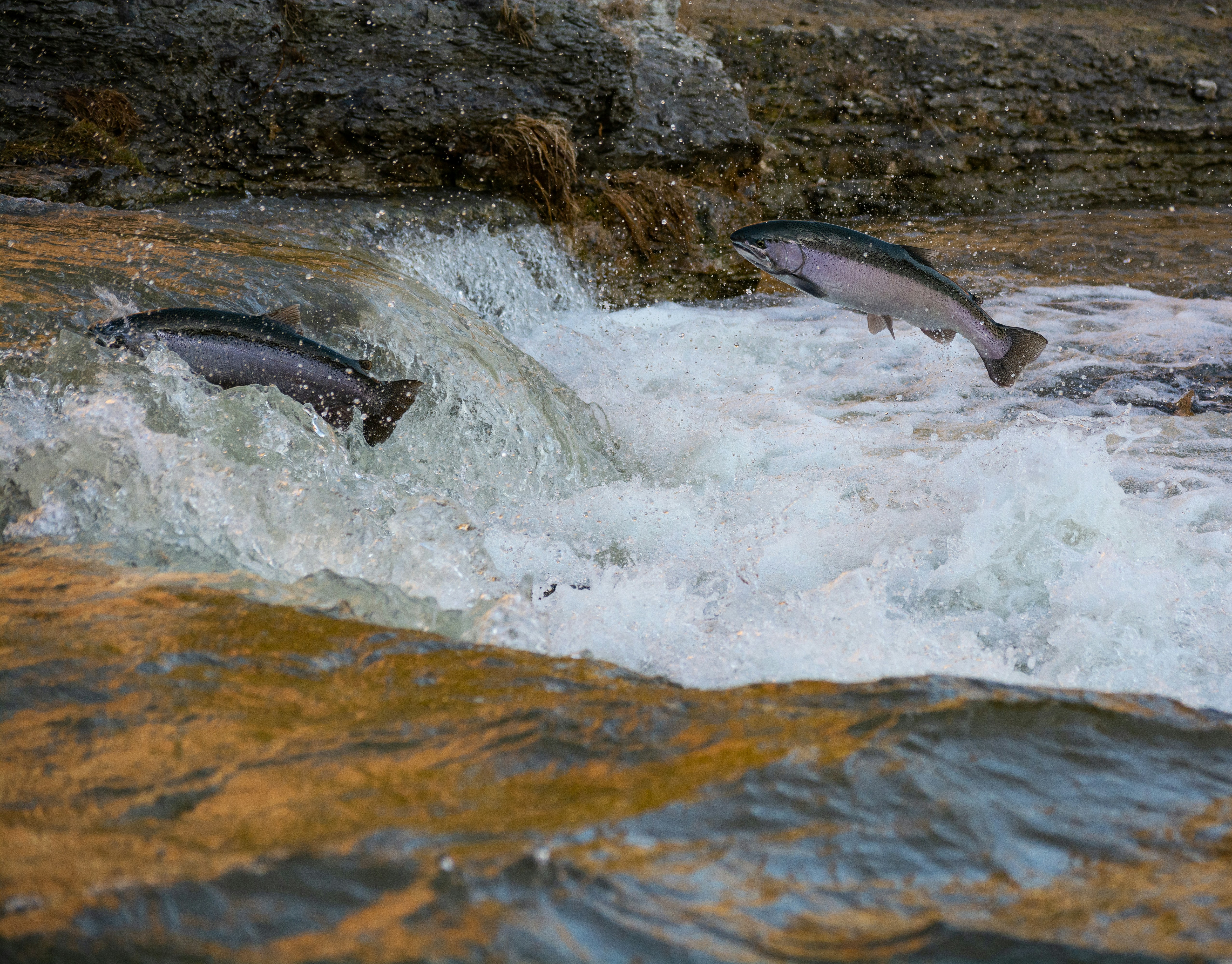
🐟 The Klamath's salmon are way ahead of schedule. Two years after crews finished tearing out the river's four dams, the biggest project of its kind ever done, the first peer-reviewed look at the recovery has landed. Chinook are already back across 88% of the range they held upstream before the dams went in. It took them two fall migrations.
- The tally comes from imaging sonar set up in the river where Iron Gate dam used to stand. It clocked 7,742 Chinook moving upstream in fall 2024. The next fall's count jumped to 13,310, close to a fifth of the basin's entire return.
- The fish went far. Salmon were documented at Beatty Gap on Oregon's Sprague River, 4,101 feet above sea level with 360-plus river miles between them and the Pacific. No salmon has ever been recorded that deep into the watershed.
- Nobody trucked them there. Between the ocean and that upper habitat sit two dam fishways, a gauntlet of Class IV+ rapids where the old dams came out, and the full 25-mile length of Upper Klamath Lake. They figured out all of it on their own.
Why It Matters: The biggest river-restoration bet in American history is working, faster than the people who designed it dared hope. Take the dams out and life comes back. YEEW!
🌲 A 170-year-old NorCal cattle ranch is headed for public ownership. An $11.5 million state grant cleared the way for the Wildlands Conservancy to buy the 14,177-acre AP Ranch near Callahan (founded 1856, same family since 1961) and open it up for hiking and camping. Combined with the preserve next door, it creates a 20,000-acre connected block in the Klamath Mountains, and the eight miles of the East Fork Scott River inside it are critical rearing water for threatened coho. The deal closes October 30.
Why It Matters: While the federal government subtracts protected land, states and nonprofits keep quietly adding it. Twenty thousand connected acres with a river through it, open to everyone, is a win we will take!
Business
💰 The money side of the mountains
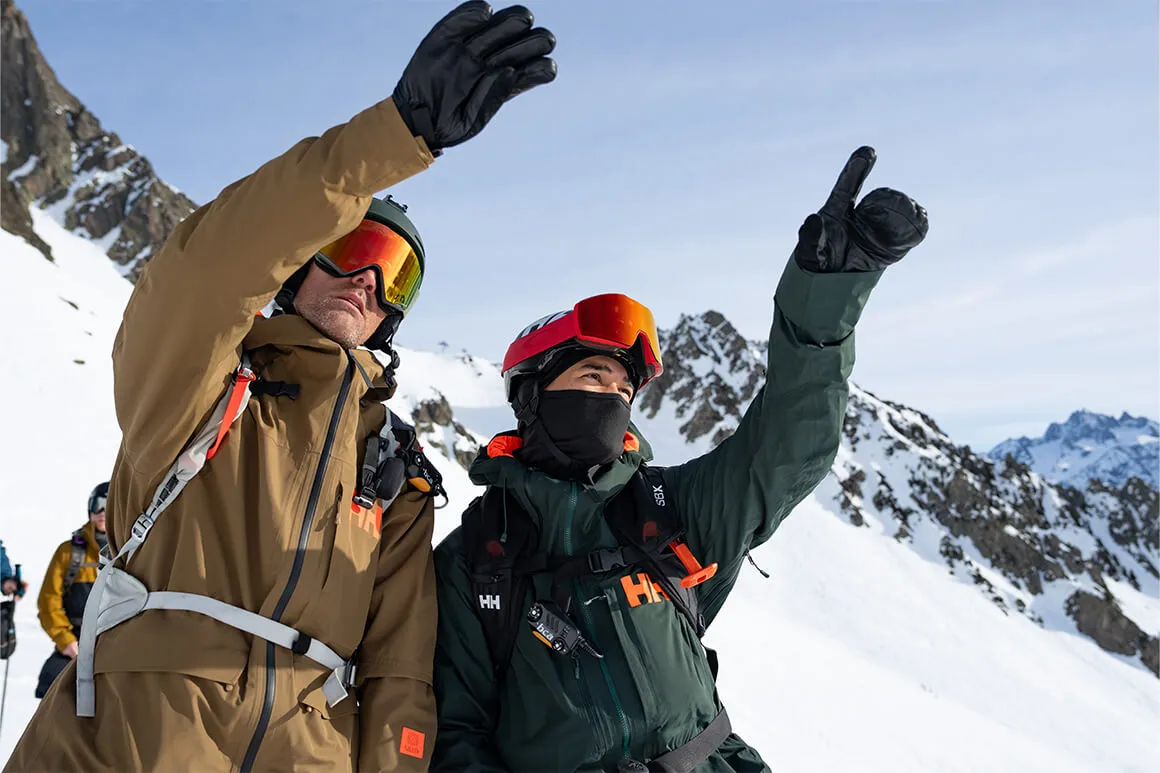
🎿 Helly Hansen wants a much bigger piece of the American outdoors. At an investor day in Oslo, new parent Kontoor Brands (the Wrangler and Lee company) set a target of more than $1.1 billion in yearly revenue by 2030, roughly double today's business, with the push aimed at the US and at year-round categories like climbing, hiking, and trail running.
- The starting line is $675 million in annual sales, so the plan pencils to about 10% growth per year. Kontoor expects 60% of it to come from the States, where Helly does $150 million today, about 30% of its total business.
- The key hire says everything about the strategy. Helly's first-ever North America general manager is C.J. King, brought over after a decade at Arc'teryx. If you're coming for the premium technical market, hire from the brand that defined it.
Why It Matters: Every heritage brand eventually hits the same fork: stay niche and beloved, or scale and risk the soul. Helly has real credibility banked, from ocean racing to the patrollers and guides wearing its jackets on the clock. Chasing national chains will stress-test how far that credibility stretches.
⚖️ Vail Resorts courtroom year keeps getting weirder. The third lawsuit of 2026 over alleged anticompetitive pricing landed August 24, and this one comes from inside the house. Shareholder Gary Peterson filed a 55-page derivative complaint in Denver federal court against the company's board and CEO Rob Katz.
A derivative suit means an investor sues a company's own leadership on the company's behalf. Peterson isn't claiming he overpaid for a pass. He's arguing the board let alleged price-fixing happen, and that the company itself is the victim now stuck holding the legal risk.
- The two suits underneath it came from skiers. A March case says Vail and Alterra priced day tickets sky-high on purpose so megapasses would look like the only sane buy. An August case goes wider, alleging Vail, Alterra, Boyne, and Powdr swapped pricing data through reports from RRC Associates and the industry's trade group, letting season passes climb about 40% since 2020 (day tickets, 55%) without real competition.
- Peterson's math says those four companies control at least 81% of the destination-resort market.
- The stakes stack up fast. Both underlying cases ask for treble damages across nationwide classes of skiers, and the remedies on the table run as far as forcing resort sell-offs. Vail calls the claims "without merit" and plans to fight.
Why It Matters: None of this is proven, and Vail may well win every case. But three suits in six months from three different directions says the megapass era's biggest vulnerability isn't customer churn anymore, it's the legal system taking an interest. Next spring's pass announcement will probably be the most lawyer-reviewed in ski history.
📈 Colorado tourism hit a record $29.2 billion in 2025, and the celebration comes with fine print. Growth was 2% against a national pace of 4.2%, the state's market share has slid from 2.3% in 2019 to 1.79%, and tourism jobs shrank for the first time since COVID. Ski country fared worst of all. The hardest-hit destinations lost as much as 40% of a season's visitors, and skiers logged just 10.5 million visits statewide, down roughly 24% and the fewest since the early 90s.
🔥 The STOKE VOTE
What's your 26/27 pass plan?
What else is going on
- The Arkansas River is plugged by a 100-yard flood logjam in Browns Canyon, and CPW says boaters must portage.
- Roaring Fork Outdoor Coalition has put $974,500 into trail and conservation work since 2022 and now wants $1 million more.
- Children's Hospital Colorado treated 184% more kids' e-bike trauma cases in one year, mostly severe brain and facial injuries.
- Flash floods dropped 4-to-5-foot boulders and mud across Sweetwater and Colorado River roads in Eagle County, closing both for hours.
📚 Trailhead Trivia
Arc'teryx takes its name and its logo from one specific thing. What is it?
⚡ Share The Stoke
THE STOKE REPORT is a quick, no-fluff newsletter built for mountain lovers, adventure seekers, and those who enjoy a little Type 2 fun!
If you know someone like that, forward this email or send them to thestokereport.com. Thanks for spreading THE STOKE — it seriously means a lot!
If you ever have ideas, tips, or stories worth sharing, reply to this email. I'd love to hear from you.
Answer!
Archaeopteryx lithographica, the roughly 150-million-year-old feathered dinosaur considered the first bird. The logo is the fossil skeleton itself, traced from the Berlin specimen in the Museum für Naturkunde.
See you soon,
Tyler
Founder / Editor — THE STOKE REPORT
