

Good morning, Stoke Crew. Quick heads up, I'm on a two-week road trip through Canada so I might miss a newsletter or two over the next couple weeks. Camping in Revelstoke, Jasper, and Banff, then heading out on a seven-day backpacking trip through the Banff and Assiniboine wilderness. Got some of my favorite people flying in to meet up for the backpack trip! Very Stoked :)
I talk and write about cool outdoor news all the time, so it's only right I go do some Type 2 fun shit myself! Currently writing this from the Revelstoke campground. Okay, let's get into the news. With love and STOKE — Tyler
In today's report
- 🔋 Trek caps its e-bikes speed
- 🚵 Breckenridge improves biking access
- 🏃 A Frenchman resets the Pacific Crest Trail record
- ⛰️ Milly Young breaks a 13-year Matterhorn mark
- 🐟 CPW pulls rare cutthroats out of a wildfire
Biking
🌲 The state of trail access.
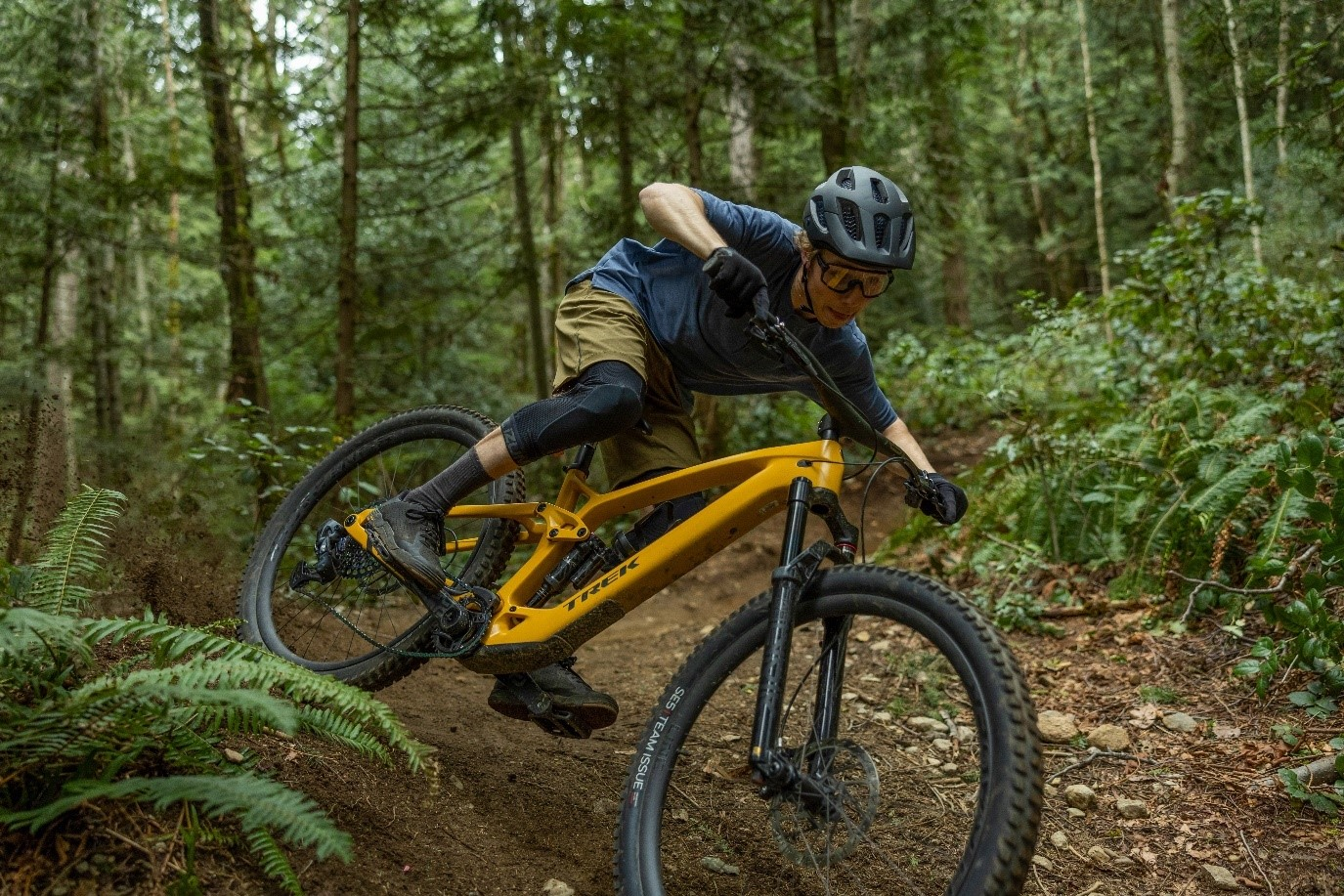
🔋 Trek just put a ceiling on how fast its electric bikes will go. Starting now, every e-mountain bike the company sells will have no throttle, run pedal-assist only, and cap out at 20 mph, all rated Class 1. On its road and path e-bikes, pedal assist tops out at either 20 or 28 mph depending on the model, and any throttle quits helping at 20 mph. The company says it would rather draw the line itself than watch riders lose trail access later.
- In Trek's views, once a bike throttles past 20 mph or assists past 28, it's an e-moto, not something for bike paths, and should sit in its own regulatory class.
- President John Burke framed it as protecting hard-won ground, saying the industry has "worked for decades to earn access to trails and bike paths."
- The backdrop is a boom in access. In 2025 alone, e-bikes gained legal entry to more than 17,000 miles of mountain bike trail nationwide, the payoff of years of advocacy that faster, stronger bikes could put at risk.
Why It Matters: Land managers give out trail access, and they can take it away. Fast e-motos on shared trails are exactly the kind of thing that gets bikes banned. Trek policing itself is really about protecting everyone's place on the trail.
🚵 Breckenridge Outdoor Education Center launched an adaptive mountain bike program this summer, bringing a fleet of full-suspension rigs, foot cycles, and hand cycles, all with pedal-assist, to Summit County's trails. It offers private lessons and group ride days for riders with permanent disabilities, and it leans on already-accessible trails like the Frisco Peninsula so no rework is needed. With adaptive bikes running $20,000 to $25,000 each, grants and donors made it happen!
🚲 Olympia will get its first mountain bike trails at Marj Yung Park, a 70-acre wooded site once called Kaiser Woods. The plan is about five miles of singletrack, roughly 15 of the trails bike-only, with beginner flow lines and steeper tech built by Evergreen Mountain Bike Alliance on a $675,000 grant. It took years and some neighbor pushback over parking and noise, but more than 200 riders turning out to a council meeting sealed it.
🔥 The STOKE VOTE
Favorite Colorado trail type?
Today's Stoke Story
⏱️ Records fall
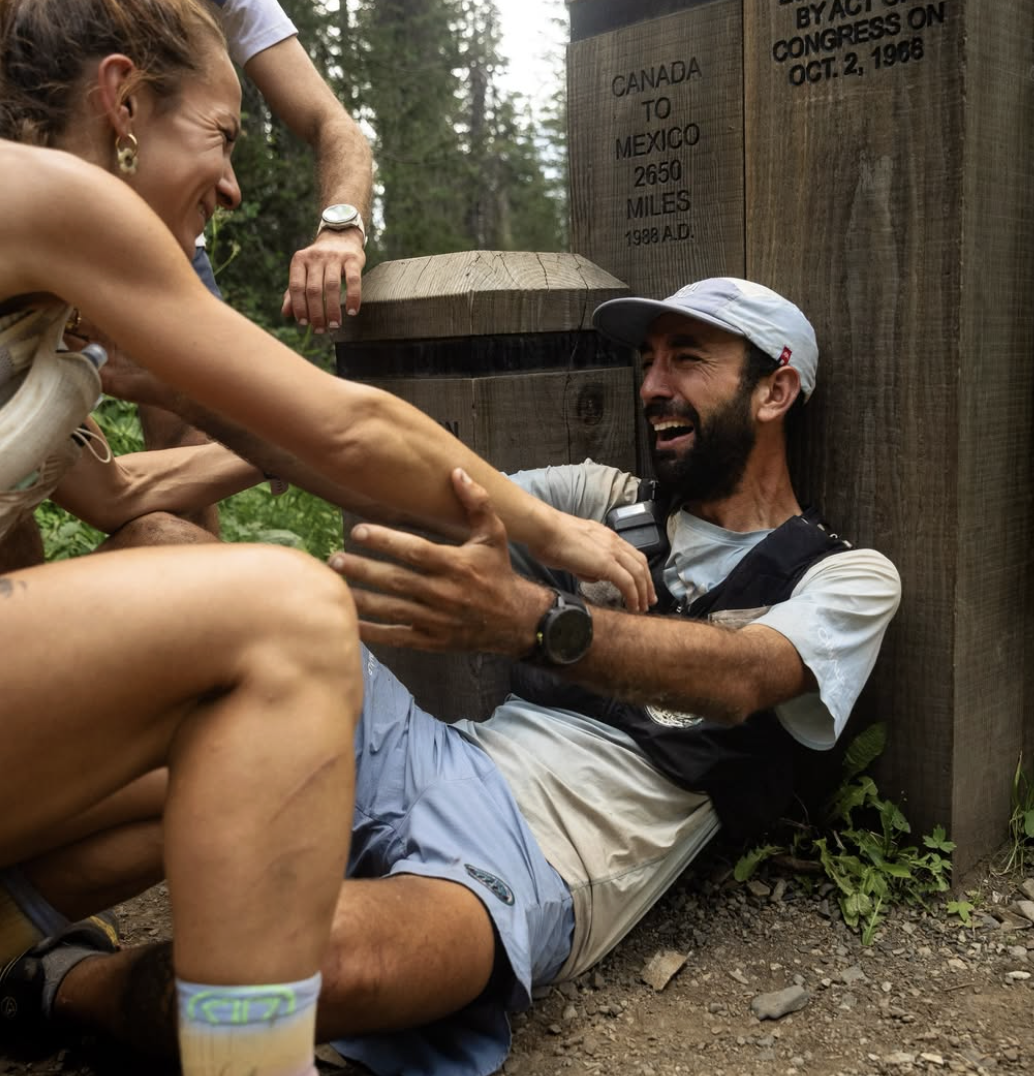
🏃 A Frenchman just ran the Pacific Crest Trail faster than anyone ever has with a support crew. Aurélien Sanchez, 35, covered the 2,650-mile route from the Mexican border to Canada in 45 days, 20 hours, and 15 minutes, beating Karel Sabbe's 2023 supported record by about 16 and a half hours. That pencils out to close to 56 miles a day, every day, for a month and a half, across desert, the Sierra, and the Cascades.
- His days ran like clockwork. Sanchez held a tight daily rhythm of about 16 hours moving, roughly seven hours of sleep, and only an hour or so to eat, refill bottles, and patch his body back together before doing it again.
- He doesn't even call himself a fast runner, more a hiker who breaks into a jog now and then, so his real weapon was obsessive prep: dialed nutrition, gear, and resupply. His partner Lucille Malgouyres and her cousin Martin Tullot cooked his meals, set up camp each night, and worked on his legs between shifts.
- The body still took a beating. He ground through weeks of foot and ankle pain and even spent a night in a hospital late in the trip for a foot infection before getting back out.
- The finish was the wild part. He closed with roughly 52 hours of forward motion across the final three days to reach the Canadian border, moving almost around the clock on legs that had already logged thousands of miles. The mark is still pending FKT verification.
Why It Matters: FKTs this long aren't really foot races, they're logistics operations. A partner and a rotating crew fed and paced Sanchez for six weeks while wildfires and road closures scrambled the plan, and those same fire reroutes mean almost nobody runs the exact same trail twice. The running is the part you see; the crew work behind it, plus a little luck with the trail, is why the clock stopped where it did.
⛰️ Milly Young owns a new women's speed record on the Matterhorn. The Australian went from Cervinia up the Lion's Ridge to the 14,692ft top and back in 5 hours, 17 minutes and 43 seconds, tagging the summit in about 3 hours 22 before turning for home. That knocked roughly 34 minutes off the women's benchmark Emelie Forsberg set on the same route in 2013.
- Young soloed the entire route and deliberately went late in the day so she'd hit the roped, technical upper mountain after the daytime traffic had thinned out.
- The way down got rough. She ran short on water and food on the descent, which she called the one hard patch in a day that otherwise went smoothly!
- One prior lap on the route, back on July 9, gave her enough read on the terrain to know when to open it up and when to ease off.
Why It Matters: This record had stood for 13 years. Marks that old don't fall often, because it takes someone with the fitness and the mountain skill to touch them. Knocking off a 13-year standard is a seriously impressive way to put your name on the board!
Environment
🌲 Saving a one-of-a-kind fish
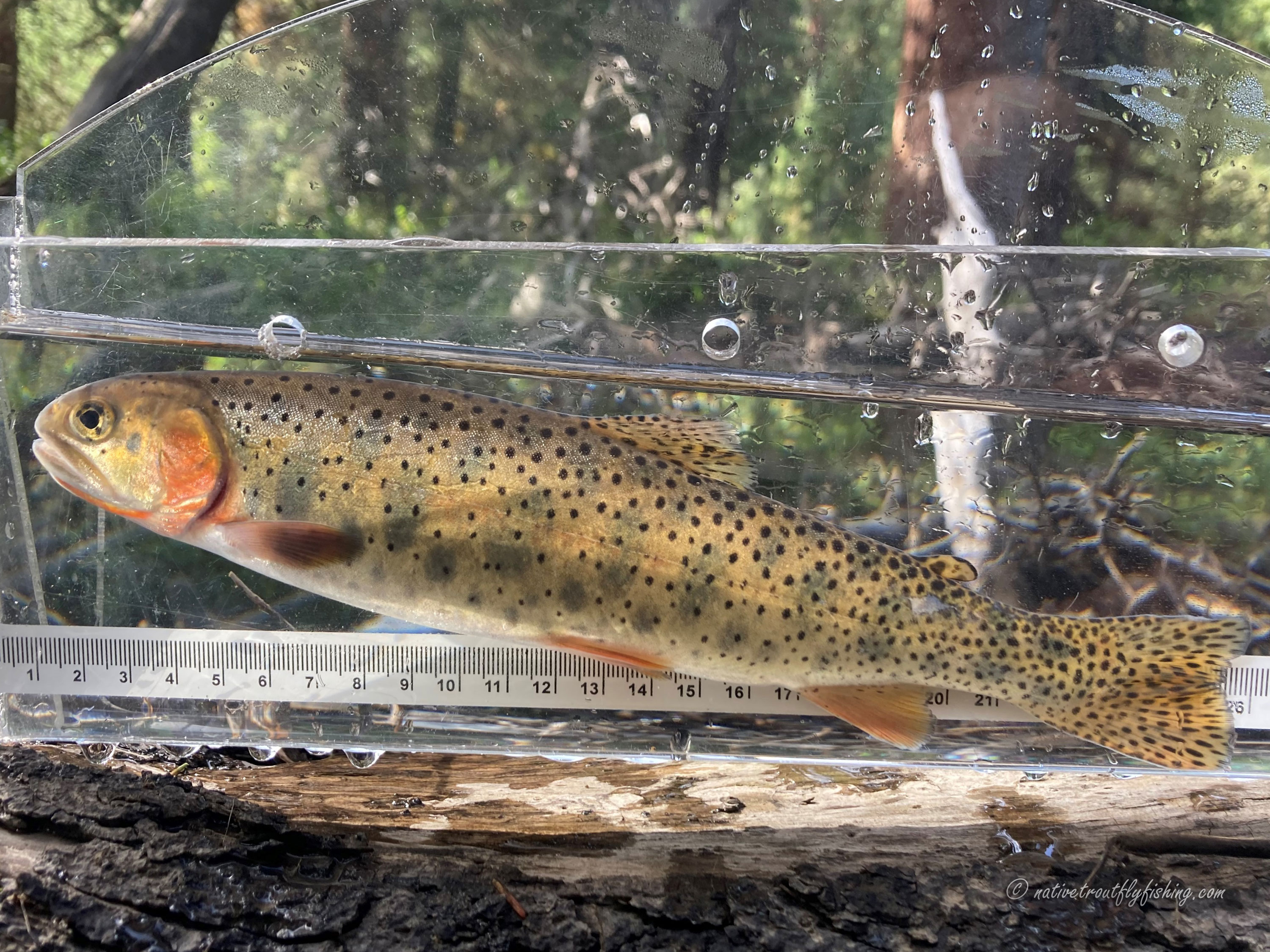
🐟 Colorado biologists ran into a burning forest to save a fish that lives nowhere else. As the Gold Mountain fire chewed through Ouray County, a Colorado Parks and Wildlife crew and fire personnel seized a narrow break in the weather to get into Nate Creek, a small stream off Cimarron Ridge, and pulled out 103 cutthroat trout before the flames or post-fire debris could wipe them out.
- These aren't ordinary cutthroats. The Nate Creek fish carry unique genetics found nowhere else, the last living link to native trout that once filled the streams feeding the Uncompahgre River near Ouray and Ridgway.
- The window was tiny. The team dropped roughly 400 vertical feet into a burned canyon, worked electrofishing backpacks to briefly stun fish, and carried buckets back out under a 1 p.m. cutoff, right as the wind turned and conditions got dangerous.
- The rescued trout, three to seven inches, rode 160 miles to the Rifle Falls Fish Hatchery, where they're being held in isolation until the fire threat passes.
Why It Matters: Bigger, hotter fire seasons aren't just a threat to towns and forests, they're a threat to the rare, isolated pockets of native life clinging to single streams. Ash and debris flows can kill a creek's fish long after the flames pass. Pulling these fish out ahead of the flames is conservation getting ahead of the problem, and it's exactly the kind of quick, gutsy work that keeps a species in the game!
📚 Trailhead Trivia
Who led the team that made the first ascent of the Matterhorn, and in what year?
⚡ Share The Stoke
THE STOKE REPORT is a quick, no-fluff newsletter built for mountain lovers, adventure seekers, and the ones who enjoy a little type 2 fun!
If you know someone like that, forward this email or send them to thestokereport.com. Thanks for spreading THE STOKE — it seriously means a lot!
If you ever have ideas, tips, or stories worth sharing, reply to this email. I'd love to hear from you.
Answer!
Edward Whymper, on July 14, 1865.
See you soon,
Tyler
Founder / Editor — THE STOKE REPORT
