

Good Afternoon, Stoke Crew. Hope you all are having a good week, no witty opener today. Just some exciting news going on in the outdoor industry world. Hope you enjoy this sendition!
In today's report
- First female ascent on El Cap
- New trail section opens in Clear Creek Canyon
- Protecting nature in California & Colorado
- Ski industry headlines
TODAY'S STOKE STORY
🧗🏻♀️ First Female Free Ascent of El Cap's Longest Route
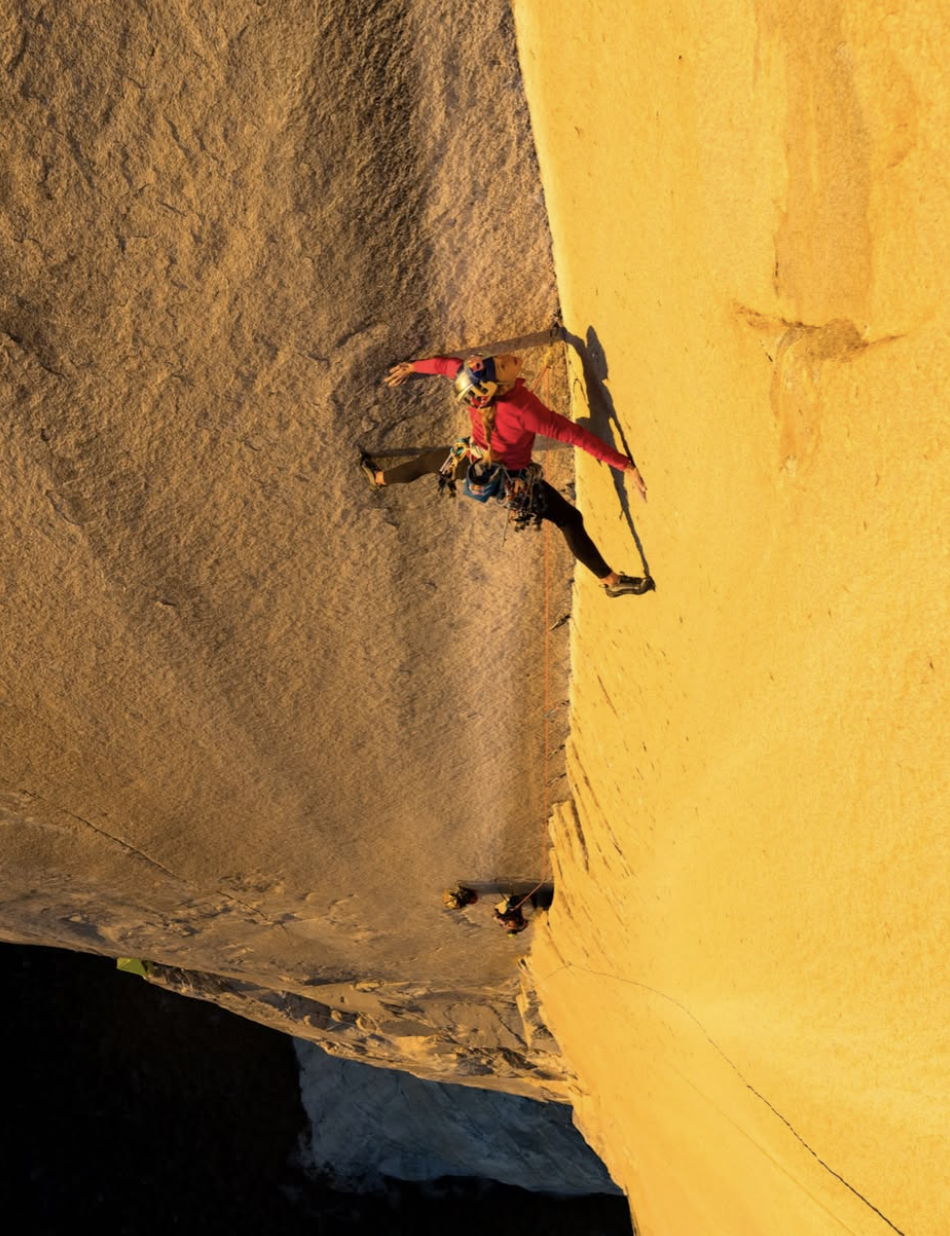
Sasha DiGiulian just made Yosemite history with the first female free ascent of the Platinum Wall (Direct Line), El Capitan's longest and most uniquely challenging route! The world champion climber spent 23 days on the 3,000-foot granite wall from November 2 to November 26, leading 27 of the route's 39 pitches. The route is rated 5.13d, which represents an incredibly difficult grade that only the world's best climbers can accomplish. For context, I recently started climbing and can't even climb a 5.10a yet. My climbing gym in Golden has just one route rated 5.13, and it sits there untouched most days, showing how few climbers are capable of climbing at this grade.
The route has 23 pitches of 5.12 climbing, six pitches of 5.13, powerful roof traverses, and long technical downclimbs. The ascent turned into an ordeal when DiGiulian and climbing partner Elliot Faber got pinned at pitch 32 for nine days by a massive unforeseen storm, battling heavy rain, snow, fierce winds, and bitter cold with condensation pooling inside their tent and snowmelt dripping from anchors. Yes, they sat in a tent for 9 days hanging on the side of El Cap. Faber had to leave for a family emergency near the summit, and DiGiulian topped out two days later, joined by Ryan Sheridan and a camera crew.
Why It Matters: This marks only the fourth team to complete this route. DiGiulian prepared for three full seasons, rehearsing pitches and studying the complex sequences of the upper third before attempting this continuous ground-up push. The achievement is massive considering the route's difficulty and the fact that only Alex Honnold and Tommy Caldwell repeated it earlier this season. DiGiulian, who has over 30 First Female Ascents globally, called this the "most formative and challenging climb" of her career, solidifying her status as a trailblazer in big-wall climbing.
- A free ascent means the climber uses only their body and the rock to get up the wall, no assistance from gear. Sometimes when routes are especially difficult, climbers will place gear and use it to help them move up. In this case, she didn't.
Local Stokelight
🚲 Peaks to Plains Trail Adds 1.5 Miles in Clear Creek
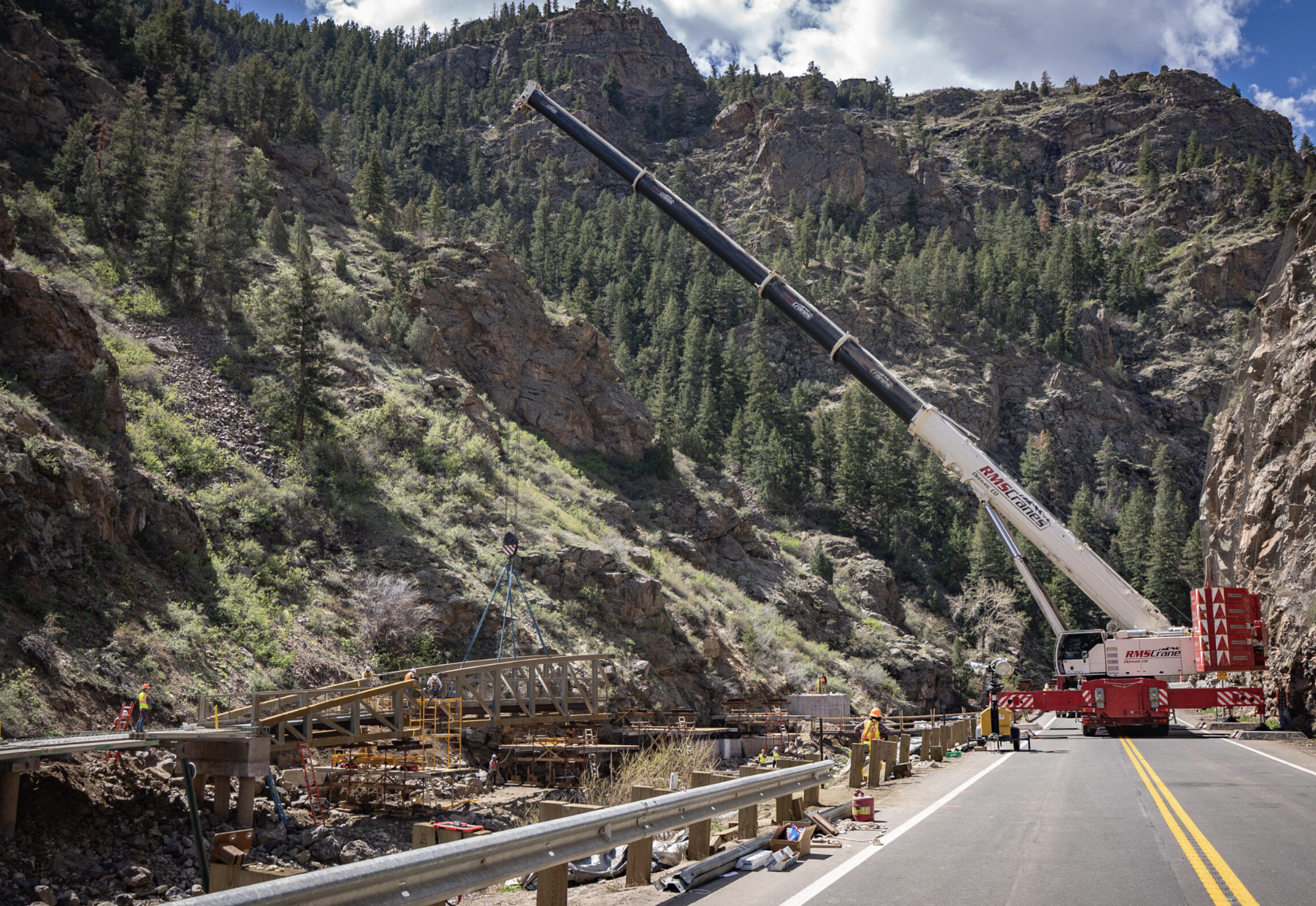
Another chunk of Colorado's Peaks to Plains Trail is officially open! Jefferson County just cut the ribbon on the 1.5-mile Huntsman segment in Clear Creek Canyon, complete with a new 42-vehicle parking lot off Highway 6 near Golden. The new section connects to the Gateway Trailhead that opened in 2021, and it's unlike anything else on the trail system with a viaduct structure spanning about 1,200 feet that acts like a flyover, hovering over the canyon floor similar to the elevated highway through Glenwood Canyon but on a smaller scale.
The segment also includes five bridges crossing Clear Creek, built with the same design as those near Gateway. Construction is already well underway on the next 1.5-mile Huntsman's Rancho segment with another 70-vehicle parking lot, targeted to open around this time next year.
Why It Matters: This opens up another piece of the long awaited 65-mile trail connecting bike paths from Denver to Loveland Pass. The 13-plus mile passage through Clear Creek Canyon has been the focus of recent years. The Huntsman and Huntsman's Rancho segments (three miles total) are costing around $80 million, funded by Jefferson County Open Space sales tax, Great Outdoors Colorado, and state grants.
After those sections are complete, a six-mile gap remains to finish the signature Clear Creek Canyon portion and complete the decades-long vision for the park, though funding for that final stretch hasn't been identified yet and federal funding strategies are up in the air.
Environment
🐟 🌲Saving Salmon & Land
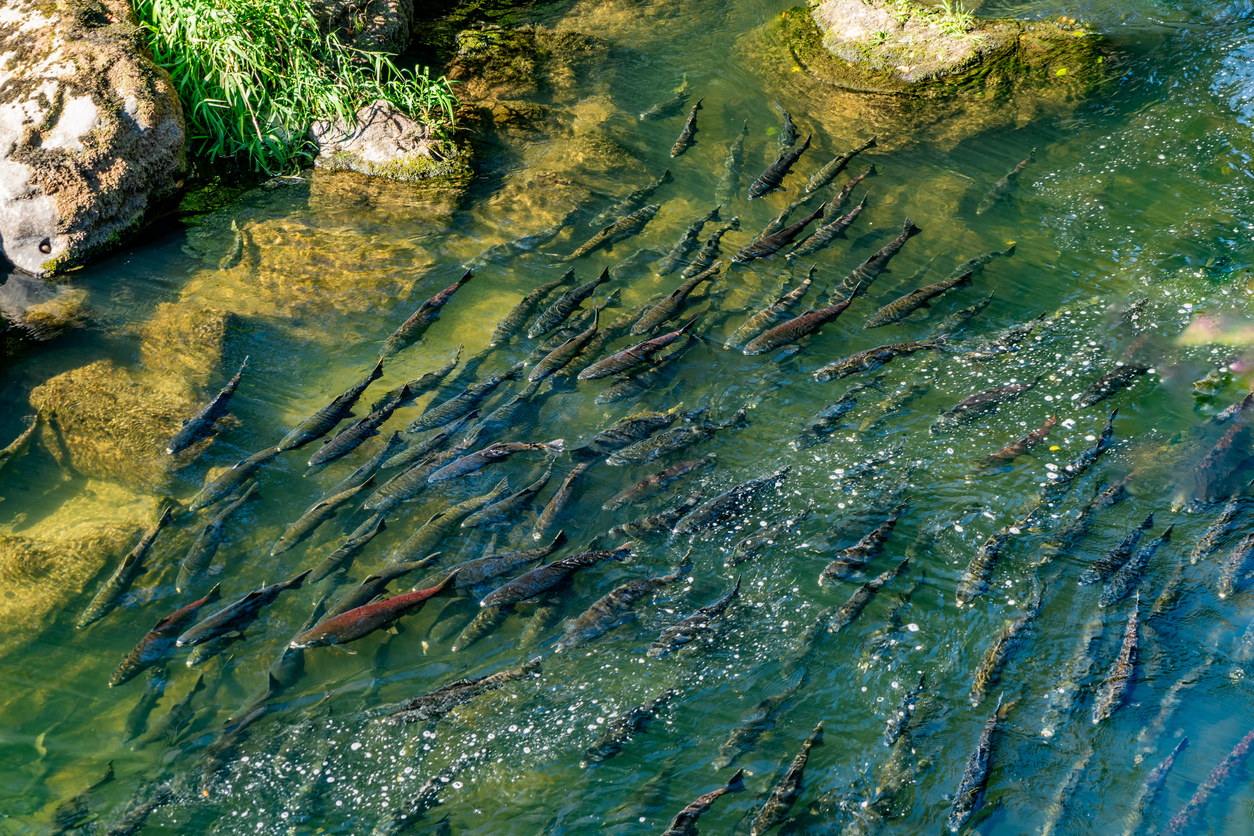
California's Wildlife Conservation Board approved an $87.1 million funding package for 16 projects across 14 counties focused on protecting wildlife habitat, restoring river systems, and returning ancestral lands to Indigenous communities. Seven projects specifically support the California Salmon Strategy for a hotter, drier future, targeting endangered salmon and steelhead through improved fish passage, floodplain reconnection, and enhanced spawning habitat.
Why It Matters: These investments push California toward its 30x30 conservation goal (protecting 30% of lands and coastal waters by 2030) while addressing urgent threats to Central Valley salmon from drought and warming waters. WCB Chair Charlton Bonham emphasized that recovering salmon runs demands bold, coordinated investment in critical habitats. These grants represent progress toward protecting critical salmon habitat!
A national conservation organization just protected 20 acres of high alpine terrain in the Maroon Bells-Snowmass Wilderness from potential development! The Wilderness Land Trust purchased the Busher Claim, which sits above the popular Cumberland Basin hiking area below Pearl Mountain and Castle Peak, accessible via Castle Creek Road out of Aspen. The property was at elevated development risk because of its proximity to Pearl Pass Road, the OHV route connecting Aspen to Crested Butte.
This acquisition was part of a trio of recent WLT purchases that also included 30 acres at Needle Creek and 31 acres at Great Western Lode, both in the Weminuche Wilderness. WLT is the only national organization focused exclusively on buying private lands within designated and proposed wilderness areas to prevent commercial, industrial, and residential conflicts.
Why It Matters: This protects a high alpine ecosystem crucial for wildlife habitat while preserving access for backcountry users. The acquisition leverages a provision in the 1964 Wilderness Act where private land completely surrounded by national forest within designated wilderness automatically becomes wilderness upon transfer to public ownership, requiring no Congressional approval. Over 275,000 acres of private inholdings exist within designated wilderness nationwide, vulnerable to development that threatens public access, wildlife habitat, and healthy watersheds.
MOUNTAIN BRIEFING
❄️ Ski Industry headlines
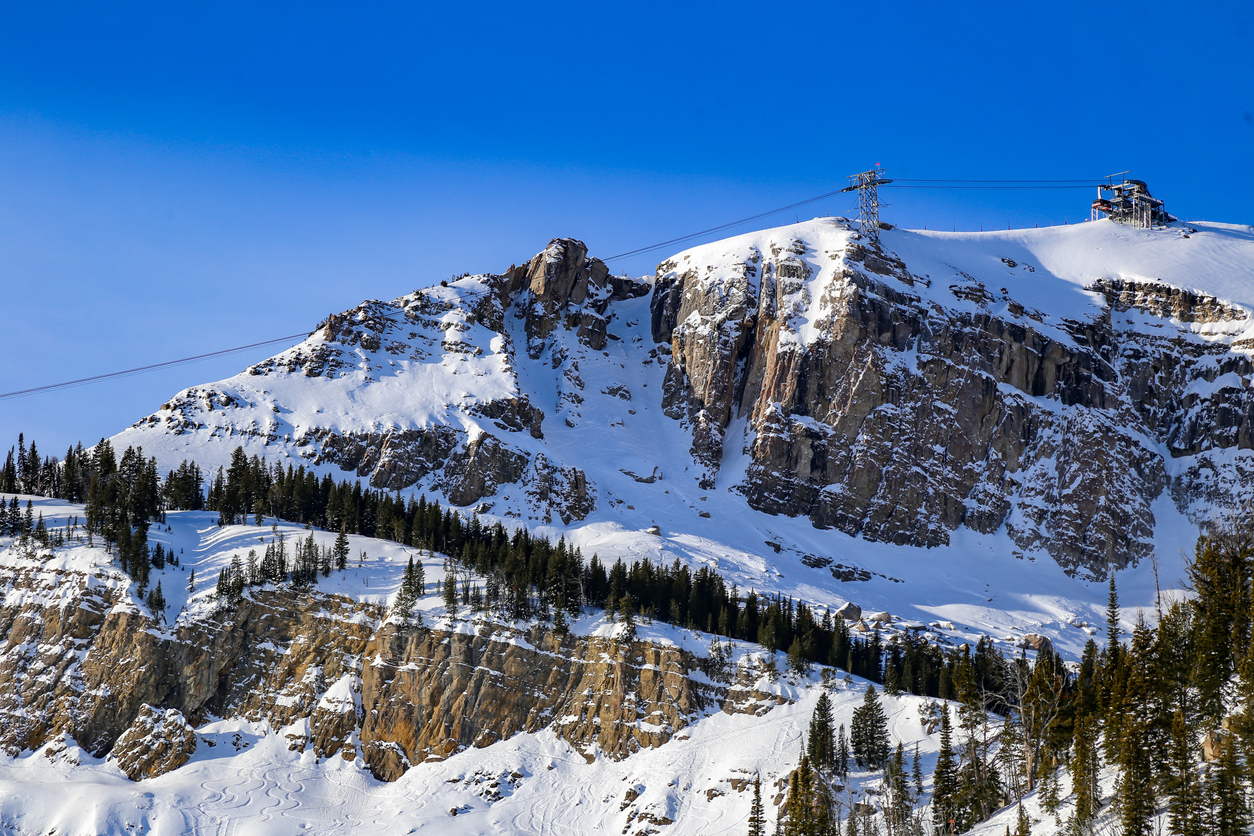
Jackson Hole Mountain Resort is officially spinning lifts today to kick off its 60th anniversary season after pushing back its original opening date due to warm weather and thin early season snowpack. The resort's round-the-clock snowmaking efforts combined with 65 inches of snow at the summit and 34 inches mid-mountain have created enough coverage across the north side to open three lifts: Teewinot, Après Vous, and the Sweetwater Gondola up to mid-station, accessing beginner and intermediate terrain.
Telluride Ski Resort opens this Saturday following recent snowstorms, but locals have been speculating the season could face further delays beyond just weather! Since June, the resort's ownership has been negotiating a new contract with the Telluride Professional Ski Patrol Association representing 70-plus patrollers, and talks have turned increasingly contentious in recent weeks. The union voted to authorize a strike and staged a practice picket in downtown Telluride, pushing for at least $30 per hour base pay for the specialized technical work patrollers perform. The resort is hiring temporary patrollers as a contingency plan.
Klaus Obermeyer, the pioneering founder of Sport Obermeyer and one of Aspen's original ski instructors, just celebrated his 106th birthday on December 2 at Obermeyer headquarters in Aspen! Born in 1919 in Oberstaufen, Germany, Obermeyer revolutionized the ski industry after arriving in Aspen in the 1940s and launching Sport Obermeyer in 1947. His innovations transformed skiing gear, including dual-pane goggle lenses, high-altitude sunscreen, down parkas, mirrored sunglasses, lightweight ski poles, and the famous Klaus Stash pocket!
📚 Trailhead Trivia
How many species of salmon are there?
🔥 The STOKE VOTE
Last week, I asked whether you prefer Epic or Icon.
80% of you selected Epic
⚡ Share The Stoke
This newsletter is for mountain lovers, first chair advocates, and the ones who live for type 2 fun. Basically, the type of people whose "five-year plan" is just a list of peaks and routes!
If you know someone like that, forward this email or send them to thestokereport.com. Thanks for spreading the stoke — it seriously means a lot!
Answer!
There are seven species of salmon that are commonly recognized. Six of these are Pacific salmon: Chinook (also known as King), Sockeye (Red), Coho (Silver), Pink (Humpy), Chum (Dog or Keta), and Cherry (Masu), which is found only in Asian waters. The seventh species is Atlantic salmon, the sole member of its group.
See you soon,
Tyler
Creator — The Stoke Report
