

Good morning, Stoke Crew. If you're reading this at your desk, congratulations on finding the most productive form of procrastination. Here's the report! Stayed STOKEDDD - Tyler
In today's report
- 💰 Oasis ups its Vail stake to 7.4%
- 📈 France out-skis the whole world
- ❄️ Chilean resort breaks records
- 🎿 A $59 ski hill for Utah locals?
- 🐟 Salmon eggs in hot water
Business
💼 Stock and skier days
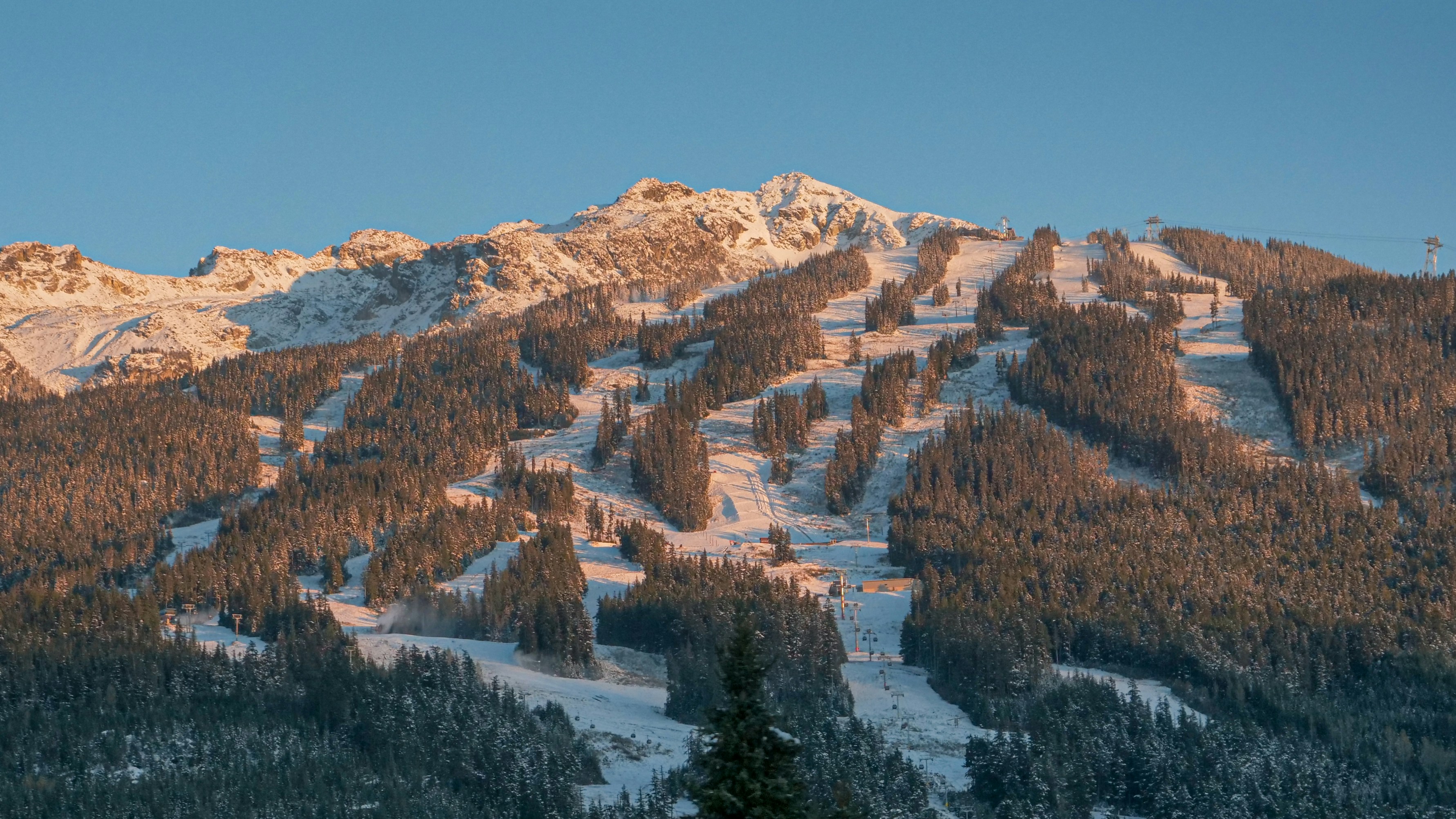
💰 Oasis Management keeps buying Vail stock. The 9/16 newsletter caught the Hong Kong hedge fund at 6.2% of Vail Resorts. A new September 22 SEC filing has it at 7.4%. And it's still trying to put four of its own picks on Vail's board.
Quick refresher. Oasis is running a proxy fight, so it needs enough shareholder votes to seat its nominees. Two of the names are famous (former Disney CEO Bob Chapek and Park City's own Picabo Street). The other two are money guys, Utah venture capitalist Bryce Roberts and Florida financier M. Ashton Hudson.
- The filing puts Oasis at 2,622,562 shares, which cost it about $373 million.
- Friendlier relations with mountain towns, better on-hill food, and leaner operations sit at the heart of Oasis's plan for squeezing more profit out of Vail's 42 resorts.
- Mark September 28 on the calendar. That's when Vail reports its fiscal-year results, after the market closes. The vote itself happens at the annual meeting, which doesn't have a date yet, but Vail usually holds it late in the year.
- The board has a second headache. Minnesota shareholder Gary Peterson sued in late August, and his suit targets the whole board, CEO Rob Katz included. His theory is that shareholders deserve damages if two pending skier lawsuits prove Vail fixed prices or bundled passes in ways that broke antitrust law.
Why It Matters: A bigger stake doesn't win the vote by itself, since the other 92.6% of shares still get a say. What it does is show the fund isn't bluffing, and it gives Oasis more weight when other big investors decide which slate to back. Vail's board has to treat this as a real fight now.
📈 America got out-skied last winter. The last time France topped the world in skier days was 2014-15. It did it again in 2025-26 with 56.1 million skier days, while Austria (53.7 million) and the U.S. (53.1 million) trailed.
Quick note on the stat. Skier days count trips, not people, so a local who skis 50 days shows up 50 times in the data.
- France had a big one. Only two French winters have ever been busier, 2008-09 and 2012-13. Snow showed up by late November, and January's between-holidays lull beat its four-year average by 9%. March's quiet window between breaks jumped 20%, its first year-over-year gain since the post-pandemic bounce.
- That matters over there the way it matters here. Over 120,000 French jobs ride on those lifts spinning each winter, and the ski areas themselves employ 18,500 people.
- The U.S. usually leads the world, but the West never got going. National visits dropped to 53.1 million from 61.6 million the winter before.
- The East was a different winter entirely. Out there, both the Northeast and Southeast put up big seasons while the West sat soft.
Why It Matters: The U.S. lost roughly 8.5 million skier visits in a single winter, mostly because of weather. That's lift tickets, lodge bookings, and bar tabs gone from every Western ski town. In mountain towns, snow isn't a bonus. It's the economy.
Skiing
🏔️ Deep snow and cheap lift tickets
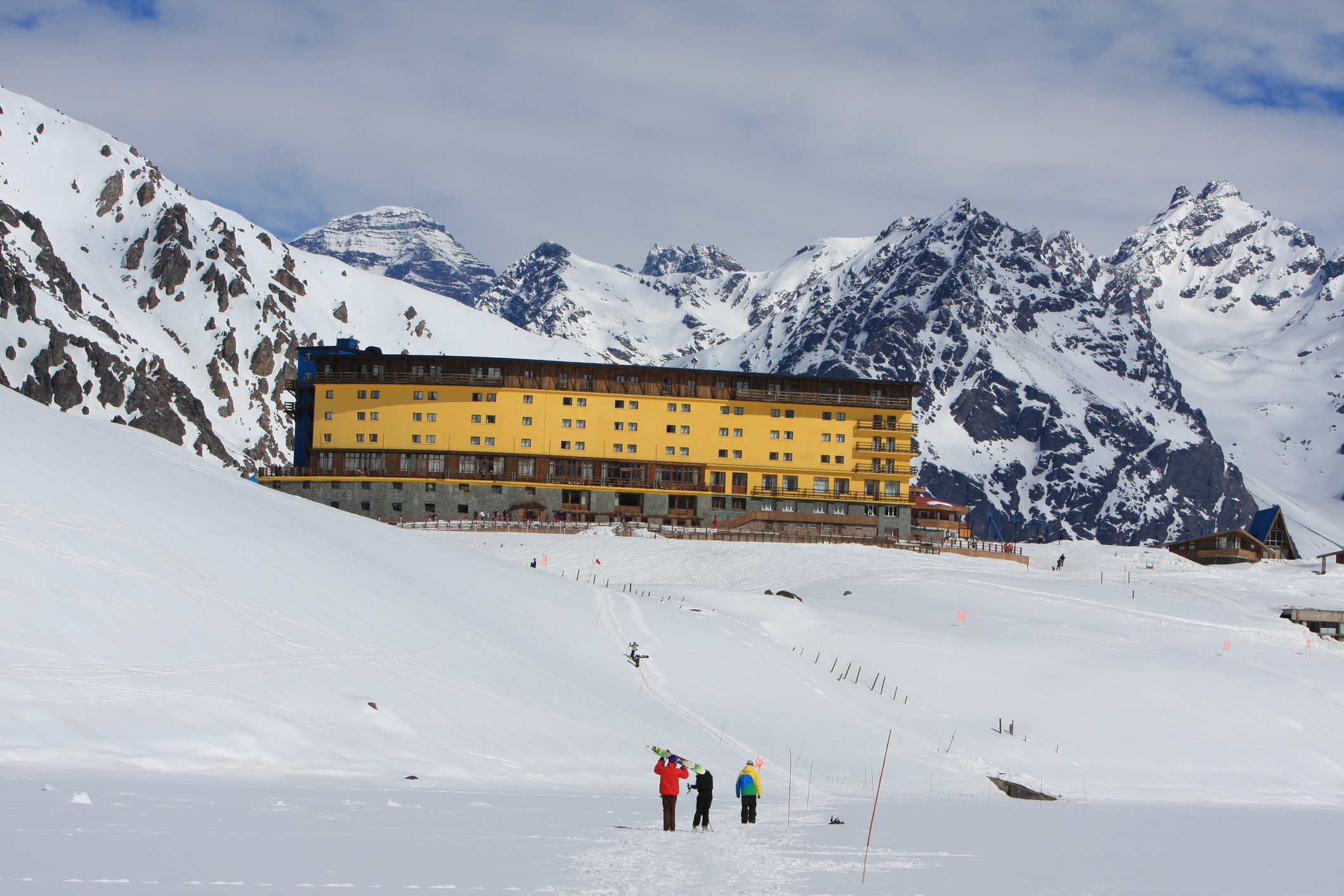
❄️ Portillo is buried. By the Chilean resort's count, this is its snowiest winter in more than 50 years. The season total hit 401 inches as of September 22. That's about double a normal year.
- It started slow, then July delivered more than 16 feet over seven straight days. The resort had shut its slopes on the 14th to get ahead of that storm.
- The storm cut Portillo off. The international road and the Los Libertadores border crossing stayed closed for about 40 days. The resort sat cut off from Mendoza and Santiago while the cordillera dug out.
- Closing day now lands in mid-October instead of late September. The storms kept coming, too. The week before September 22 alone added 21 inches.
Why It Matters: Portillo's whole season turned on one storm cycle. That's worth remembering heading into our own winter. A thin start doesn't mean much until the big cycles show up. For scale, last season was the thinnest in over ten years for U.S. ski areas, which averaged 112 inches of snow. We are all hoping for tons of snow this winter!
🎿 A Utah dad's plan would give Utah a public ski hill. Clint Richins is 31, and he wants the state to back a modest mountain near Salt Lake with $59 day tickets for residents and $750 season passes. His price argument is simple.
A Utah lift ticket cost $67 twenty years ago, and it's $329 now. Opening his hill would cost an estimated $83.9 million, but for now he's only asking for money to study whether the numbers work. The state says it's not a priority.
Why It Matters: Skiing is Utah's calling card, and it's getting priced out of reach for the families who actually live there. A feasibility study is a pretty low-risk way to find out if a public option works.
🔥 The STOKE VOTE
One ski trip to the Alps. Where you going?
Environment
🌡️ Warm water, worried salmon
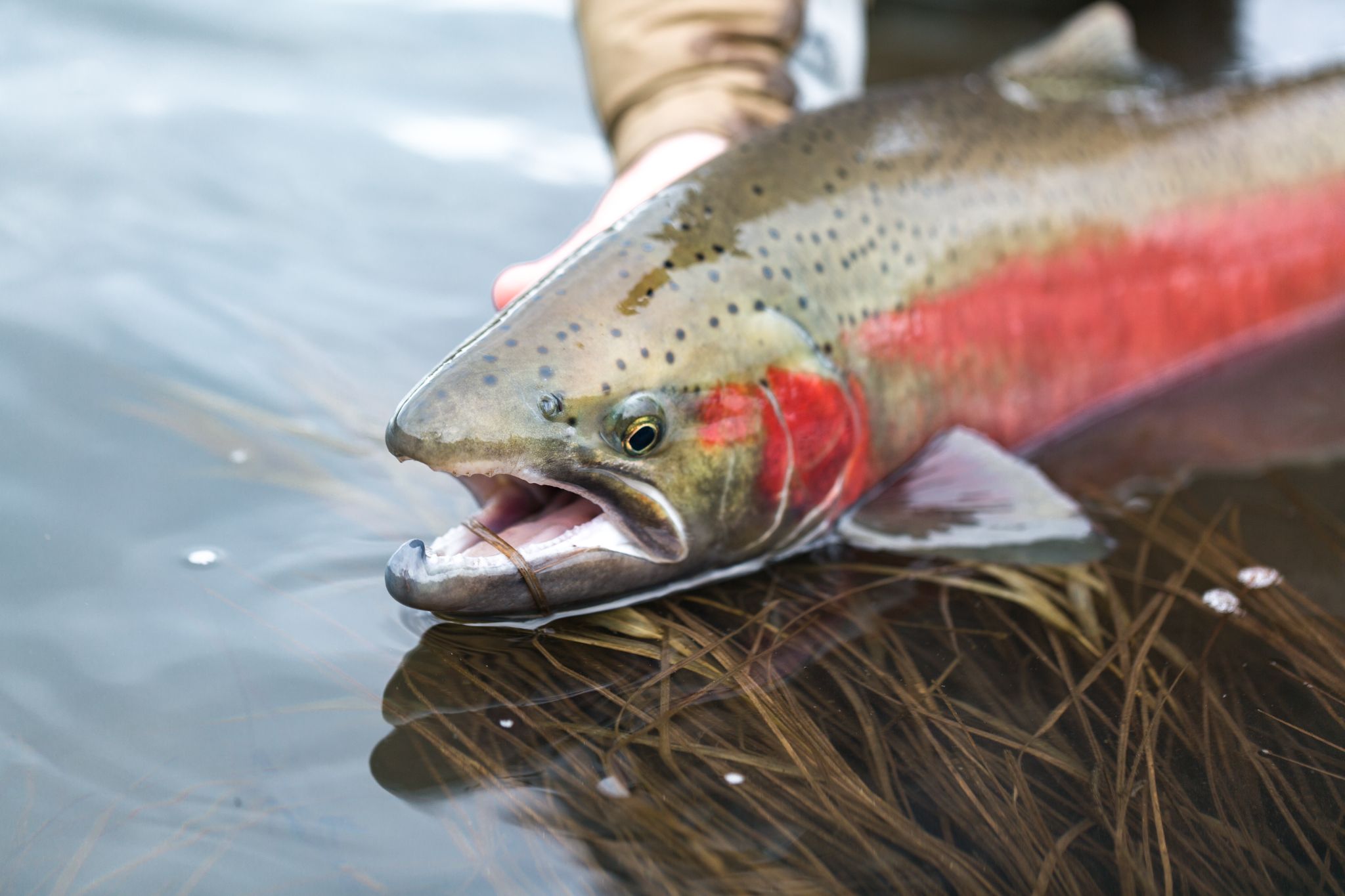
🐟 California's salmon comeback is in trouble. The Sacramento River below Shasta Dam has warmed past what Chinook eggs can handle, and state biologists estimated losses near 20%. The cold water those eggs need got spent this summer, and conservation groups say too much of it went to Central Valley farms.
Reclamation says fishery agencies helped shape its plan. State regulators flagged this risk in May and wouldn't sign off on the final plan in June. It's all landing in the first year of Sacramento salmon fishing since a three-year closure.
Why It Matters: Every summer, Shasta's cold water gets split between farms and fish, and the rules are supposed to protect the fish when things get tight. This year the state's own water board wouldn't approve the plan, and the releases kept flowing anyway. When a warning on paper can't change what comes out of the dam, the system isn't working.
📚 Trailhead Trivia
Colorado has its own salmon run every fall. Which species is it, and what ocean salmon is it a landlocked version of?
⚡ Share The Stoke
THE STOKE REPORT is a quick, no-fluff newsletter built for mountain lovers, adventure seekers, and those who enjoy a little Type 2 fun!
If you know someone like that, forward this email or send them to thestokereport.com. Thanks for spreading THE STOKE — it seriously means a lot!
If you ever have ideas, tips, or stories worth sharing, reply to this email. I'd love to hear from you.
Answer!
Kokanee, a landlocked sockeye. Colorado brought them in back in 1951. Every fall, tens of thousands swim nearly 30 miles up from Blue Mesa Reservoir to the Roaring Judy Hatchery near Almont. They turn red, the males grow a hooked jaw, and they all die after spawning. CPW collects the eggs to stock 26 lakes and reservoirs statewide. The run is on right now, in September and October.
See you soon,
Tyler
Founder / Editor — THE STOKE REPORT
