

Good morning, Stoke Crew. Today's a good one. This is exactly why I started writing! I love talking about all the cool stuff going on in the mountains :)
Hope you all enjoy and have a great weekend. Not sure what I'm getting into yet, but I'm sure I'll figure something out! Stay STOKED - Tyler
In today's report
- 🥇 Kilimanjaro's new queen of speed
- 🧗 A 13-year-old just climbed 5.15a
- 🚠 $3.75 lift tickets at Aspen
- ❄️ Five ski areas make zero snow
- 💰 Alterra spends $350M
- 🏂 New boss at Burton Snowboards
Today's Stoke Story
🌍 Records fall on two continents
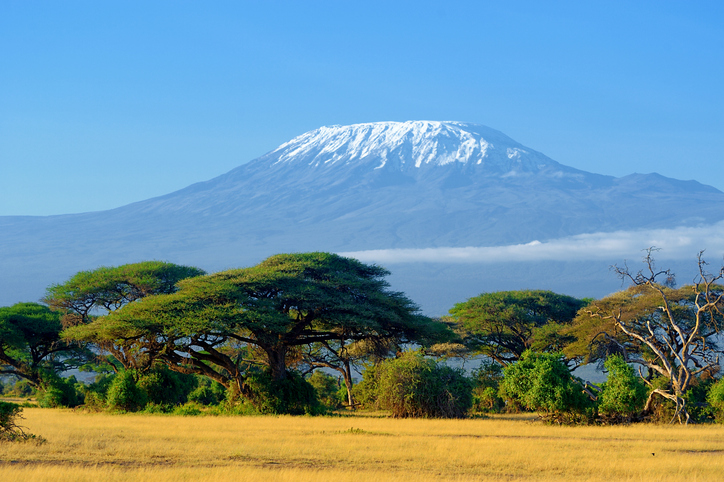
🥇 The roof of Africa has a new speed queen. On September 6, Colorado's Erin Ton claimed both women's supported records on Kilimanjaro at once, tagging the 19,341-foot summit in 5 hours, 47 minutes and getting back to the gate in 8:33:42. The old round-trip mark stood at just over ten hours. She beat it by more than ninety minutes and for reference... a typical person trekking up Kilimanjaro will take around 6-8 days.
One thing to know about how these records work. Supported means outside help is allowed, and on Kilimanjaro that's the only category anyway, since the park requires guides on every climb. Ton ran with two of them, Dao Kapela and Marcel Sarwatt, and called Kapela "one of the fastest downhill scree runners I have ever seen."
- The line was the Mweka Route, 26 miles out-and-back with roughly 14,000 feet of climbing. She left at 5 a.m. by headlamp, a guide-recommended start that kept her descent clear of the trekking crowds.
- The mountain still made her earn it. Near Barafu Camp at 15,330 feet, the altitude brought on nausea and dizziness, and her answer was to keep shuffling instead of resting. "Moving slow but consistent is better than taking pauses," she said.
- She had already summited on September 3, a recon lap to learn the terrain and top off her altitude prep after training in Colorado and Ecuador.
- It's her second Seven Summits record of the year. She took the women's unsupported mark on Aconcagua in January, and she's openly gunning for all seven. She now holds 200+ verified FKTs, and hints another summit could fall before New Year's.
Why It Matters: The Seven Summits speed project is becoming one of the best ongoing stories in mountain sport. Two records in nine months, five to go, and the biggest obstacle left isn't fitness. It's the expedition bills waiting on Vinson and Everest.
🧗 A 13-year-old is now the youngest person to climb 5.15a. Chile's Leo Cea sent No Pain No Gain, a 40-meter roof monster in Rodellar, Spain, on day six of trying, breaking a record Adam Ondra had held since 2008 (Ondra was 15). Cea was already the youngest to 5.14d, done at eleven, and these days he trains in the Frankenjura alongside Alex Megos. The send came September 2, at dawn, after a summer of route-specific prep.
Why It Matters: Ondra held this record for eighteen years and became the greatest climber alive. Cea beat his timeline by two years. Remember the name, because the sport's limits is about to get tested.
Skiing
🎿 Old school skiing lives
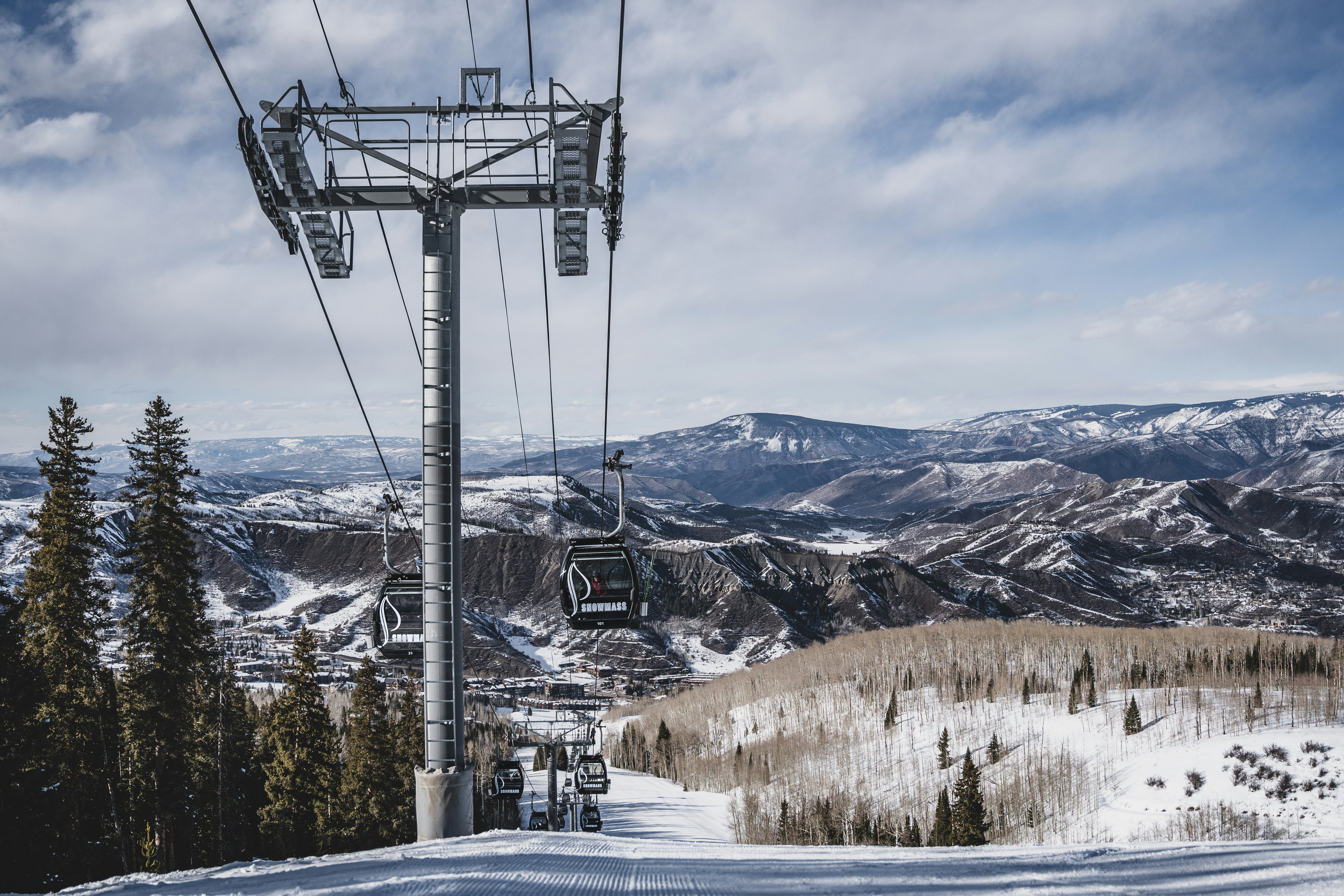
🚠 Aspen is selling $3.75 lift tickets and never said a word about it. A Redditor spotted day tickets for December 14 at that price on the Aspen Snowmass site and figured the checkout was broken. It wasn't. Aspen Mountain first spun on December 14, 1946, when a day ticket cost exactly $3.75, and the resort quietly rolled the price back for its 80th birthday.
- The internet is doing the marketing anyway. Once the post landed, people started grabbing tickets in bulk and planning group trips! The link was in my own group chat by that afternoon, thanks Cos.
- Sorry to be the bearer of bad news. By the time you're reading this, the deal is dead.
- Snowmass pulled the same move for its 50th in 2017, selling $6.50 tickets at 1967 prices, and more than 12,000 sold for one day before the company cut off advance sales to thin the crowds.
- Logistics, for those already scheming. December 14 lands on a Monday this season, and Aspen Mountain is scheduled to open November 26, so the hill should have a couple weeks of base underneath by then. (hopefully)
Why It Matters: No press release, no ad buy, just a price sitting in the checkout waiting for someone to notice. The discovery became the marketing campaign!
❄️ Five of America's best-known ski areas still don't own a snow gun. Mt. Baker, Monarch, Powder Mountain, Lost Trail, and Mount Bohemia all run on natural snow alone, and they're pulling it off while the industry trend line points hard the other way. Just one company, Vail Resorts, has sunk more than $100 million into snow guns since 2015, and the average American winter now runs about nine days shorter than it did a generation ago.
- Baker makes it look easy. The Washington indie averages 688 inches a year and holds the world record, 1,140 inches in 1998-99, a number NOAA made official in 1999.
- The Continental Divide does the heavy lifting for two of them. Monarch catches drifts with snow fencing, hauls parking lot snow over to patch its base area, and lets geography handle the rest: a 10,727-foot base with most runs aimed northeast, out of the afternoon sun.
- The other two manage scarcity on purpose. Powder Mountain spreads about 360 inches across 5,000 acres and limits how many tickets it sells each day so the snow lasts. Bohemia runs on 273 inches of lake effect, skips grooming entirely, and some years can't open until January.
- The purity may have an expiration date. Monarch's latest master plan sketches out room for a future snowmaking pond, and Powder Mountain's GM said this year that snowmaking is moving up the to-do list so the hill can start spinning sooner.
Why It Matters: We know the difference. Machine snow keeps lifts turning; real snow is the reason any of us fell for this sport in the first place. There's something worth protecting about a hill that opens when winter says so, even if that means a January start some years.
Business
❄️ The snow industry reloads
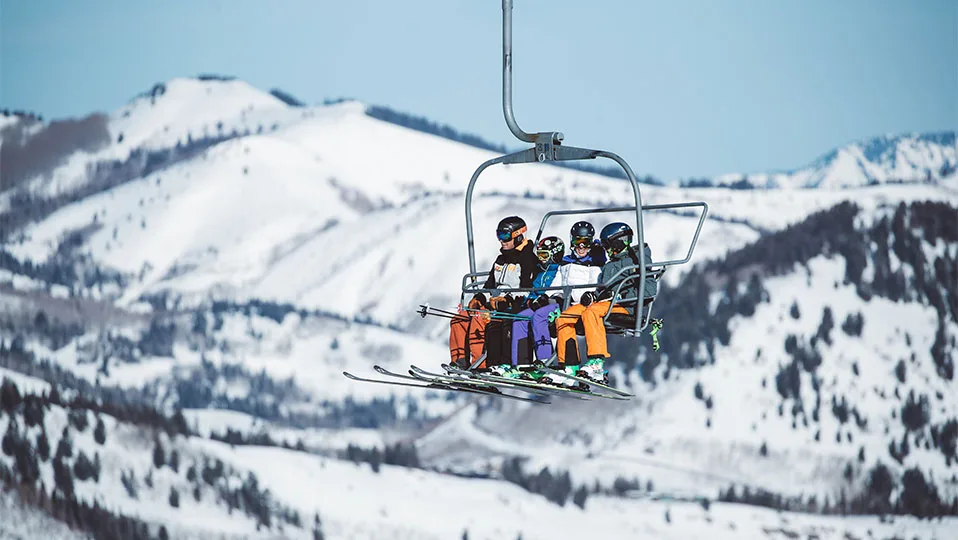
💰 Alterra just put a number on winter: more than $350 million across its resorts, announced September 9. Deer Valley and Tremblant get the headlines, but the most interesting money is going to avalanche tech, snowmaking, and employee beds.
- Deer Valley's monster build keeps rolling. The new Hail Peak Express adds seven runs and another 200 acres this winter, and the resort now counts 4,500 skiable acres and 32 lifts, double its size from two winters ago.
- Tremblant gets a CAD $42.5 million commitment headlined by Timber Summit, 62 acres of fresh terrain arriving for 2027-28.
- Nearly $9 million goes to remote avalanche control in California. Palisades, Alpine, Mammoth, and June are adding remote exploders, towers, and a cable system, which lets patrol trigger slides without leaving safe ground, even mid-storm.
- Winter Park is a few years into tearing out and replacing its whole snowmaking system, and this round brings twice the firepower to Lower Hughes in the name of earlier openings.
- Employee housing renovations land at five mountains, Palisades gets a ground-up housing build, and Alterra is buying a property to house Sugarbush staff.
Why It Matters: Alterra is spending on both sides of the mountain: the stuff you ski on and the people who make it run. Earlier openings, lifts that actually spin on storm mornings, and liftys who can afford to live in the valley. Big ski is never going back to mom-and-pop, so when the giants put real money into skiers and staff at the same time, we'll take what we can get.
🏂 Snowboarding's flagship brand has a new chief. Burton named Denny Bruce CEO this week, effective September 21, and it's a homecoming. Bruce was the brand's Mid-Atlantic manager from 2003 to 2005 before two decades running action-sports and lifestyle companies.
- He takes the seat from Donna Carpenter, the widow of Jake Burton and the company's owner, who stepped in as interim boss in June and stays on as chairman of the board.
- The years in between built the case. Bruce put in senior stints at Skullcandy, Vans, and Traeger, ran Dickies globally for VF Corporation, and his last stop was the CEO chair at Gozney, a direct-to-consumer brand he grew from its European base into a global one.
- Bruce moves to Burlington, Vermont to run Burton and Anon, its helmet and goggle brand, with the company's 50th anniversary landing in 2027.
Why It Matters: Burton's health is snowboarding's health. It pays the team riders, sets the product cycle the rest of the industry follows, and fills the board wall at every core shop in the country. So who runs it echoes across the sport in every way!
🔥 The STOKE VOTE
Skier or snowboarder?
📚 Trailhead Trivia
Before it was called Aspen, the town had a different name. What was it, and who changed it?
⚡ Share The Stoke
THE STOKE REPORT is a quick, no-fluff newsletter built for mountain lovers, adventure seekers, and those who enjoy a little Type 2 fun!
If you know someone like that, forward this email or send them to thestokereport.com. Thanks for spreading THE STOKE — it seriously means a lot!
If you ever have ideas, tips, or stories worth sharing, reply to this email. I'd love to hear from you.
Answer!
Ute City. Henry B. Gillespie laid out the silver camp and named it Ute City in 1879.
In February 1880, B. Clark Wheeler snowshoed in from Leadville through seven feet of snow, resurveyed the town site on top of the old grid, and renamed it Aspen for the trees.
See you soon,
Tyler
Founder / Editor — THE STOKE REPORT
