

Good morning, Stoke Crew. Colorado spring is pretty nice. Trees are blooming, mountain bikes are out, birds are chirping, it's a really good time of year to be outside exploring. Hope y'all had a good weekend. Alright, let's get into it! :)
In today's report
- ⛰️ Yosemite is dropping its reservation requirement for 2026
- 🐟 The Scott River just got $2.9M for salmon restoration
- 🎿 Anna Gibson may have set a women's winter FKT on the Teton Crest
- ⚖️ Vail's $100M instructor wage lawsuit
Mountain Briefing
🏞️ Show up and go, Yosemite 2026
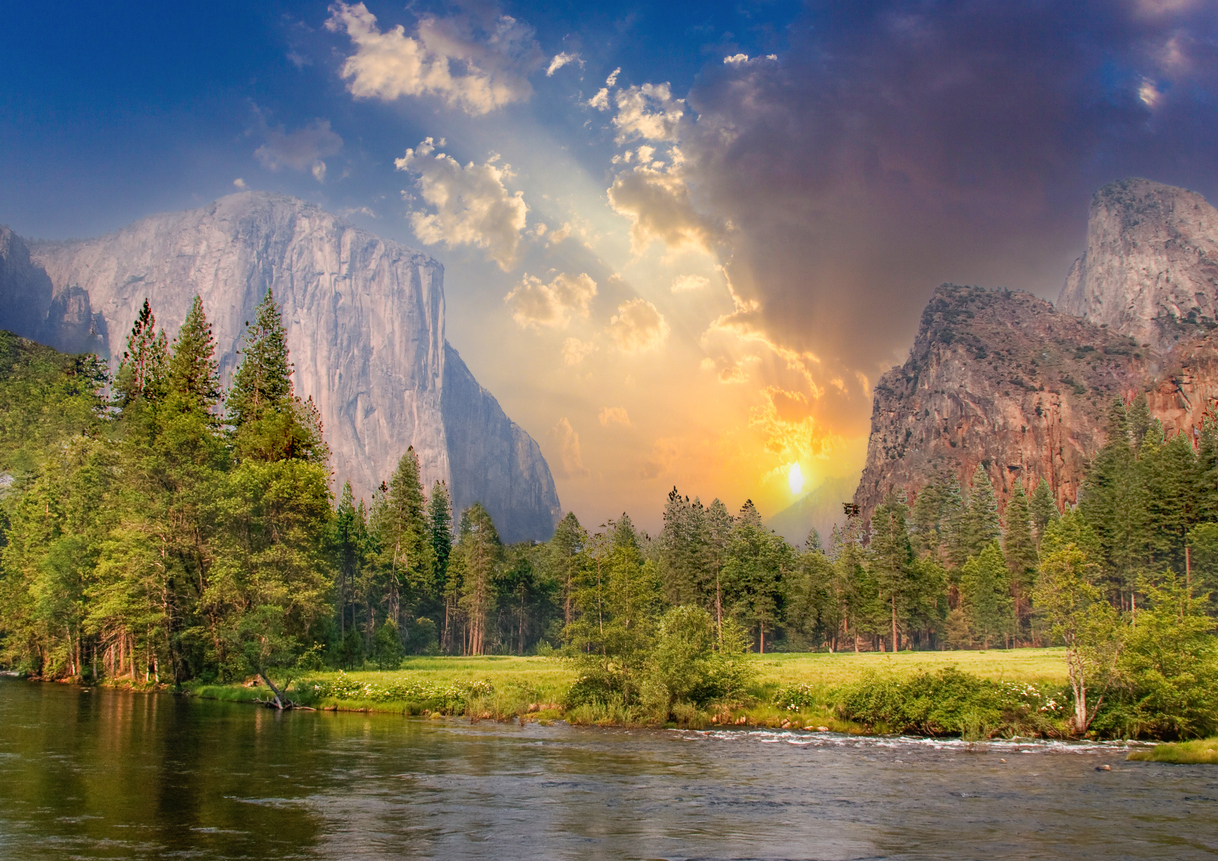
🏛️ Yosemite will not require advance reservations in 2026, including during peak summer months, the National Park Service announced. For the first time in several years, visitors can show up without a pre-booked timed entry permit, even on the busiest weekends.
- The move is part of a broader Park Service push to expand access across high-visitation parks while still maintaining visitor safety and resource protection.
- Yosemite is one of four major parks dropping reservations in 2026 (along with Glacier, Mount Rainier, and Arches). Meanwhile, Rocky Mountain National Park in Colorado will keep its timed entry system from Memorial Day through mid-October.
- The rollback simplifies trip planning, particularly for last-minute campers and day-trippers. It also raises real questions about congestion in the valley without any system in place to meter visitors.
Why It Matters: The reservation experiment is effectively over at four of America's busiest parks. The question now is whether real-time traffic management and staffing can handle what reservations were designed to control. With a quarter of NPS permanent staff reportedly cut, Yosemite is testing that theory at the worst possible time.
Local Stokelight
🏔️ Colorado built American skimo
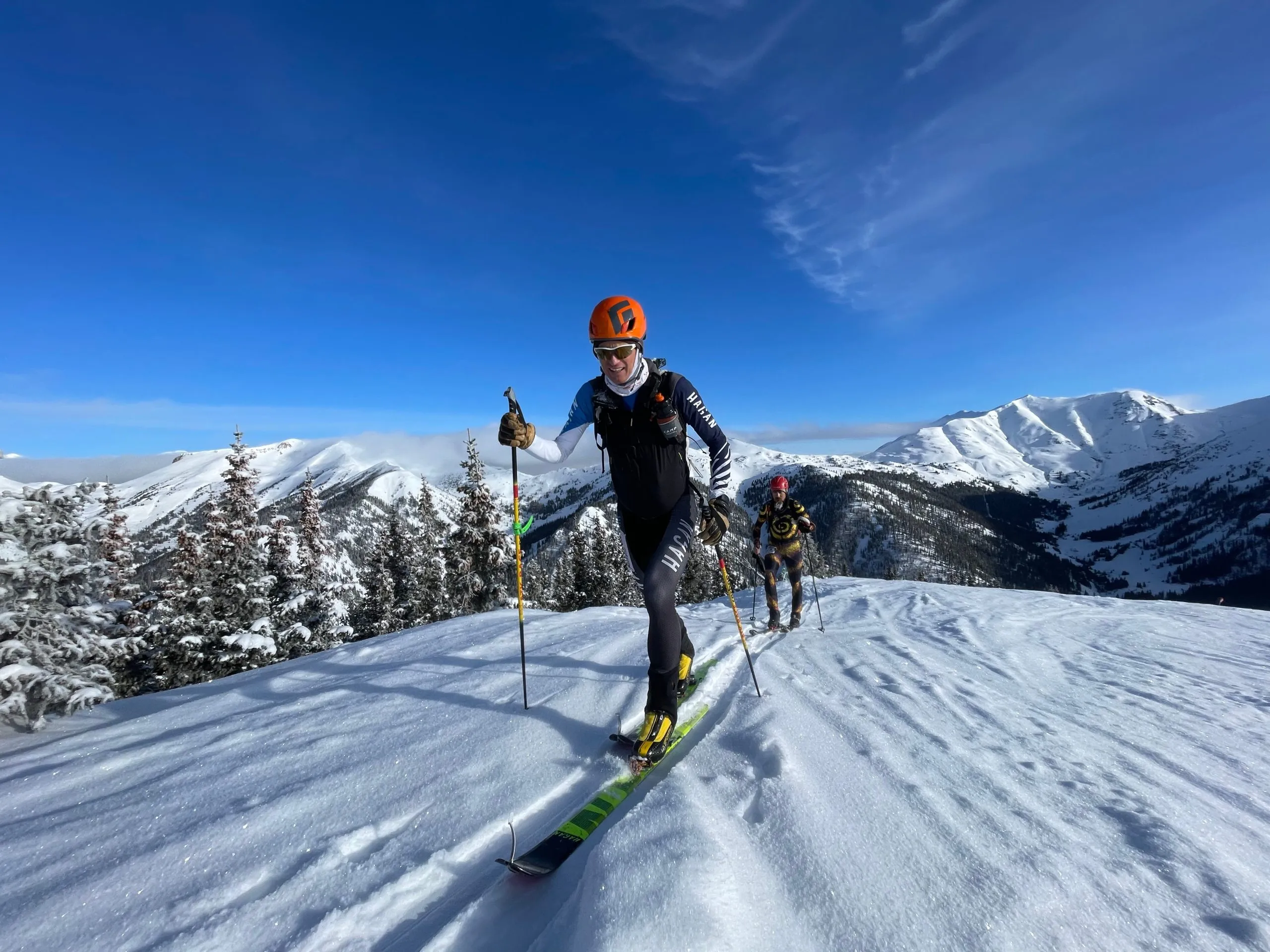
⛷️ Colorado has quietly been the engine room for American ski mountaineering, and the 2026 Olympic debut of the sport in Italy was in many ways a Colorado story. Local athletes like Cam Smith, Anna Gibson, and Jessie Young helped the U.S. qualify for the Games after two decades of grassroots racing built the sport from the ground up.
- Pete Swenson helped formalize an early circuit after getting hooked on racing in Crested Butte around 2005. He designed courses with resort patrol teams and asked for the most technical terrain they had, routinely building races with steep bootpacks and skiable-but-barely descents.
- The Olympic format is a different sport. Short sprints and relays on groomed snow, made for TV, are only one slice of what skimo is. Young, who raced in Italy as an alternate, put it plainly when asked if it felt like real skimo: "in short, no."
- Back home, skimo has exploded into multiple disciplines. Boulder Skimo Friday sessions at Eldora now draw hundreds of skiers. Cripple Creek Backcountry pushed lighter, purpose-built gear that dropped setups from 15 pounds to 6 and made the sport accessible to runners and cyclists coming in cold.
Why It Matters: Olympic inclusion was supposed to be skimo's big moment, but the format the world saw in Cortina only captures a narrow slice of the sport. The more interesting story is what Colorado racers built over 20 years: a full ecosystem of vertical races, sprints, backcountry traverses, and technical alpine events. The Olympics didn't redefine the sport, it just added another flavor to a scene that already had plenty.
Today's Stoke Story
⏱️ Teton Crest in 13 hours, 23 minutes
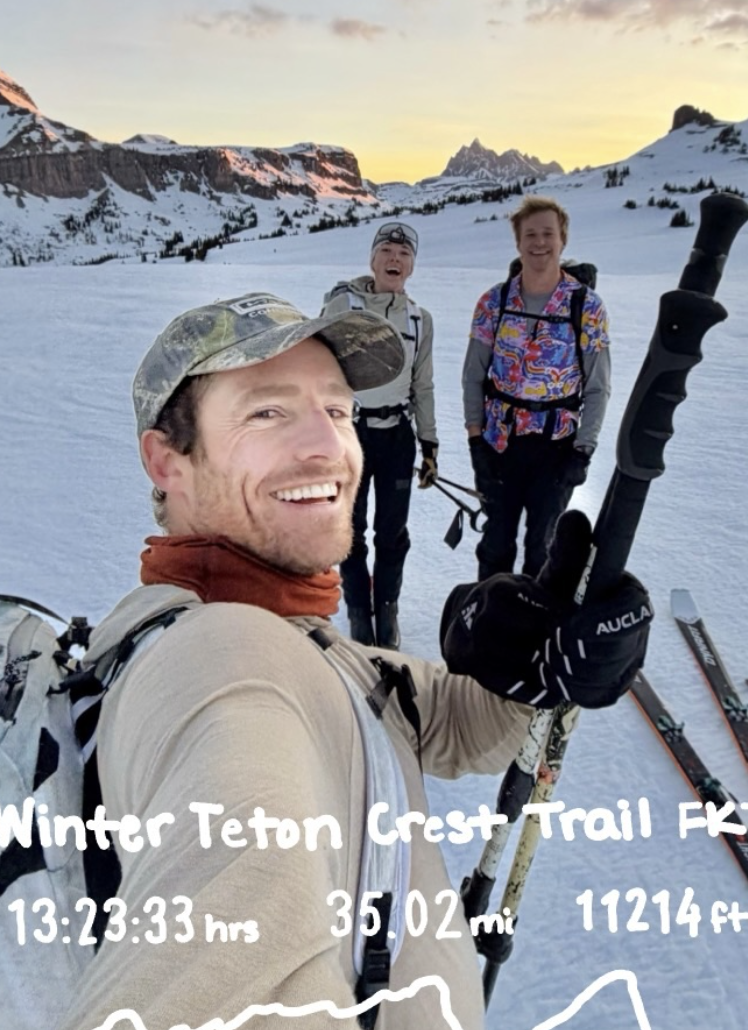
🎿 Olympic skimo athlete Anna Gibson and partners Jim Ryan and Thomas Ferguson completed a winter ski traverse of the 35-mile Teton Crest Trail in 13 hours, 23 minutes, and 33 seconds, marking a possible women's FKT and the second-fastest winter time ever recorded. The trio covered 11,214 feet of elevation gain on skis through complex avalanche terrain and variable snow conditions.
- Gibson is a Jackson Hole native and 2026 Olympic skimo athlete who represented the U.S. at the Milano-Cortina Games. She transitioned from professional running (17 Wyoming state titles, 2017 Gatorade Wyoming Track Athlete of the Year) to ski mountaineering, winning her first World Cup race just six months after taking up the discipline.
- Ryan is known for segments in films like Beyond the Fantasy and Pressure Drop, and has a history of extreme endurance in the Tetons, including completing "The Picnic," a massive multi-sport triathlon involving the Grand Teton.
- Summer FKTs on the Teton Crest Trail hover around 8 hours for elite runners. Winter adds skin tracks, icy transitions, avalanche management, and the physical toll of 35 miles of variable snow.
Why It Matters: Gibson went from her first World Cup skimo race to the Olympics to a possible winter FKT on the Teton Crest in roughly four months. The speed of her progression across disciplines (track, trail running, skimo, backcountry endurance) is pretty BADASS!
Environment
🌊 Scott River scores $2.9M for salmon
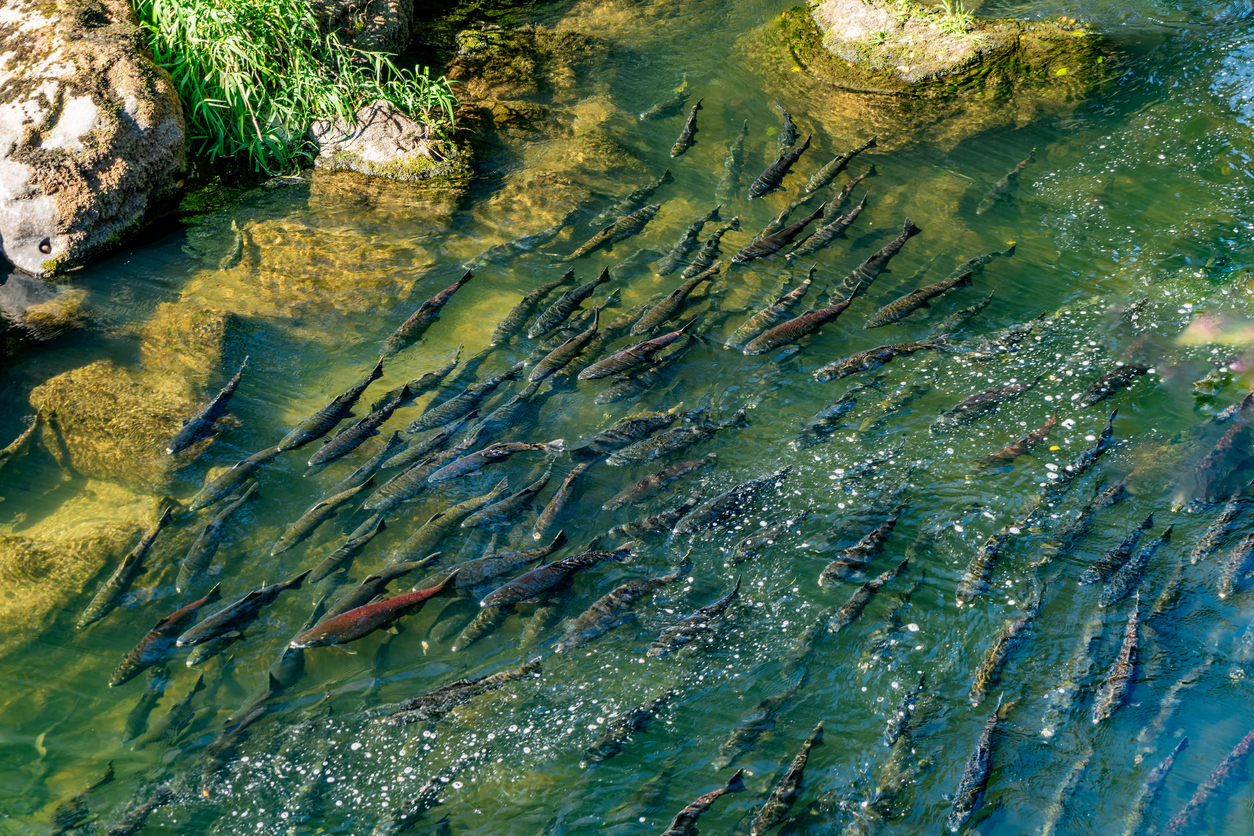
🐟 A stretch of the Scott River in Siskiyou County, California just landed $2.9 million in state funding for salmon restoration, continuing an ongoing push to rebuild Chinook habitat in one of the Klamath system's most important tributaries. The grant is tied to a recent property acquisition along the river by The Wildlands Conservancy.
- The funding will go toward improving spawning conditions in the Scott River corridor, targeting the specific habitat Chinook need to reproduce.
- The Scott River has been under pressure for decades from water diversions, habitat degradation, and drought. Salmon runs in the Klamath watershed have declined steadily as a result.
- Restoration work in these streams is painstaking and slow to show results, but it's some of the most important conservation work happening in Northern California right now.
- The grant also arrives at a pivotal moment. The Klamath River itself is in the middle of a historic transformation after the removal of four major dams, widely considered the largest dam removal effort in U.S. history, which reopened hundreds of miles of river to fish passage.
Why It Matters: Salmon have carried a huge amount of the weight of Western conservation storytelling, and for good reason. They connect tribes, commercial fishing, coastal ecosystems, and upriver habitat in one species. Restoring the Scott River is a small piece of a much bigger project, but it's exactly the piece that's important.
🦬 Three bison calves were spotted at the Rocky Mountain Arsenal National Wildlife Refuge over the weekend, kicking off this year's calving season for the herd just northeast of Denver. Calves are born with a reddish-tan coat, start nursing within minutes, and are out grazing within a week. Refuge staff are asking visitors to give moms and babies plenty of space.
Why It Matters: A healthy bison herd calving 15 minutes from downtown Denver is one of the better conservation wins hiding in plain sight. Former weapons manufacturing ground, now a working wildlife refuge. Worth a visit this spring before the calves grow out of their red coats.
Business
💼 Thousands of instructors, $100M in claims.
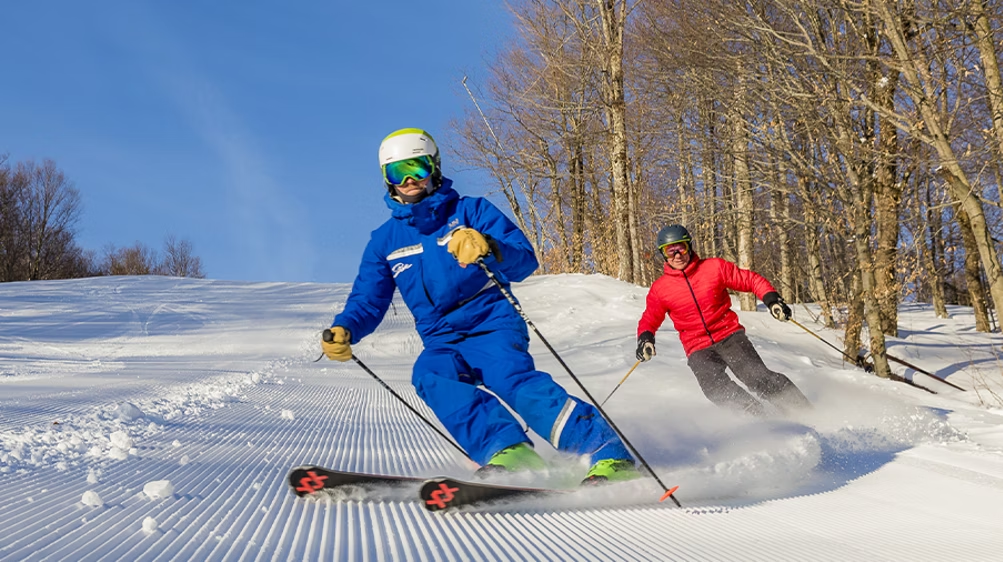
⚖️ The federal wage lawsuit against Vail Resorts hit its opt-in deadline on April 15, giving tens of thousands of current and former ski and snowboard instructors their last chance to join a case with potential damages north of $100 million. The case, Quint et al. v. Vail Resorts, alleges the company systematically failed to pay instructors for hours actually worked.
- Instructors were scheduled for 6.5 to 7.25 hour shifts but routinely worked closer to nine, according to the complaint. Off-the-clock time reportedly included company bus transit between parking lots and worksites, putting on and taking off required uniforms and gear, and mandatory training sessions.
- The complaint also alleges instructors were never reimbursed for job expenses like personal ski and snowboard equipment or work-related cell phone use.
- Eligibility covers anyone employed by Vail Resorts from December 2, 2017, through the 2025-26 season, an estimated pool of more than 24,000 people.
Why It Matters: Vail continues to deny all allegations and insists it has complied with wage laws. But the workforce question has been following the company for years, through ski patrol strikes, labor law complaints, and now a potential $100 million payout. What Vail says about its workforce and what its workers keep saying in court don't line up, and the lawsuits aren't slowing down.
What else is going on
- Copper Mountain extends season to May 3 with $49 lift tickets for final week, marking fourth consecutive year pushing into May despite low snowpack.
- Maroon Bells will charge $5 fee for e-bikes starting this season after 8,000 e-bikes entered last year, far exceeding 700 motorcycles.
- BC farmer scrambled under barbed wire fence after grizzly attacked during evening walk with dogs, suffering non-life-threatening leg injuries in defensive encounter.
- Yosemite Climbing Association's Mariposa Facelift brought 78 volunteers who removed 990 pounds trash and 400 pounds invasive species from gateway community creek parkway.
- California Senate Bill 1397 clears committee focusing on non-lethal deterrence and research as mountain lions show less fear, more daytime activity across Northern California.
- First condor egg laid in Northern California wild in century likely failed to hatch as inexperienced parents A0 and A1 left nest unattended during critical period.
📚 Trailhead Trivia
How many people visit Yosemite each year?
⚡ Share The Stoke
This newsletter is for mountain lovers, first chair advocates, and the ones who live for type 2 fun. Basically, the type of people whose "five-year plan" is just a list of peaks and routes!
If you know someone like that, forward this email or send them to thestokereport.com. Thanks for spreading the stoke — it seriously means a lot!
Answer!
4 million to 4.3 million visitors annually
See you soon,
Tyler
Creator — THE STOKE REPORT
