

Good morning, Stoke Crew. Hope everyone's week is off to a good start and none of your cars got destroyed by the hail yesterday! Also, just want to say hello to all the new subscribers who came over from Seth's Weather Report! I appreciate each and every one of you and hope you find value in this newsletter :)
A big thanks to Seth for letting me share THE STOKE REPORT in his group. Alright, lots of cool stuff to cover today! Let's get into it!! Stay stoked — Tyler
In today's report
- 🏆 Triple crown bike race attempt
- 🏔️ Everest 2026 season recap
- 🚧 Colorado approves $300M to fix the I-70
- 🌲 Environment: trees & fish
Today's Stoke Story
🏆 A 4,000 mile bike race
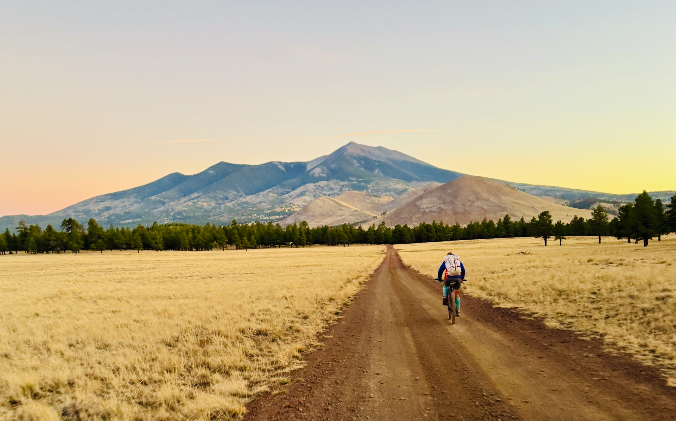
🚴🏼♀️ Karin Pocock is going for the Triple Crown again. Three of the hardest bike packing races in North America. The Arizona Trail, The Tour Divide, and The Colorado Trail back-to-back-to-back in one summer. Most riders consider finishing one of them a career highlight. Karin is chasing the women's combined record of 32 days, 6 hours, 33 minutes, and this is her second year in a row trying. Only 31 people have ever finished the triple crown.
- Last year Karin won the Arizona Trail Race (Womens) and took 3rd at Tour Divide (Womens), then went to the hospital for smoke inhalation during the Colorado Trail Race and scratched.
- When she's not on the bike, Karin helps run the Silverton Avalanche School, where she trains U.S. avalanche forecasters and guides and helps shape the national curriculum.
- She rides for the Old Man Mountain / Silca Velo Bikepack Racing Team and rolls on NOBL wheels.
The Details:
- October 15: The Arizona Trail Race covers 827 miles with 90,000 feet of elevation gain, capped off by a grueling rim-to-rim hike-a-bike through the Grand Canyon.
- June 12: The Tour Divide Race spans 2,700 miles and 158,000 feet of climbing, going from Banff, Alberta all the way to Antelope Wells, New Mexico on the Mexican border.
- August 2: The Colorado Trail race is 500 miles with 70,000 feet of elevation gain.
Why It Matters: A few weeks ago I was out for a 15-mile spin in Moab and crossed paths with Karin on the trail. She was casually deep into a 140-mile day. That's the kind of mentality it takes to even think about doing three races of this size in one summer! She's on another level entirely!
Bikepacking still doesn't have the sponsorship machine of world tour racing or pro skiing. Karin doesn't post on Strava, keeps her training data private, and is honest about when she shows up online. There's no prize money for any of the Triple Crown races. She's just doing it for the love of the game. THE STOKE REPORT is rooting for Karin and will be posting updates during each race this summer!
Mountaineering
🏔️ The 2026 Everest season, a recap
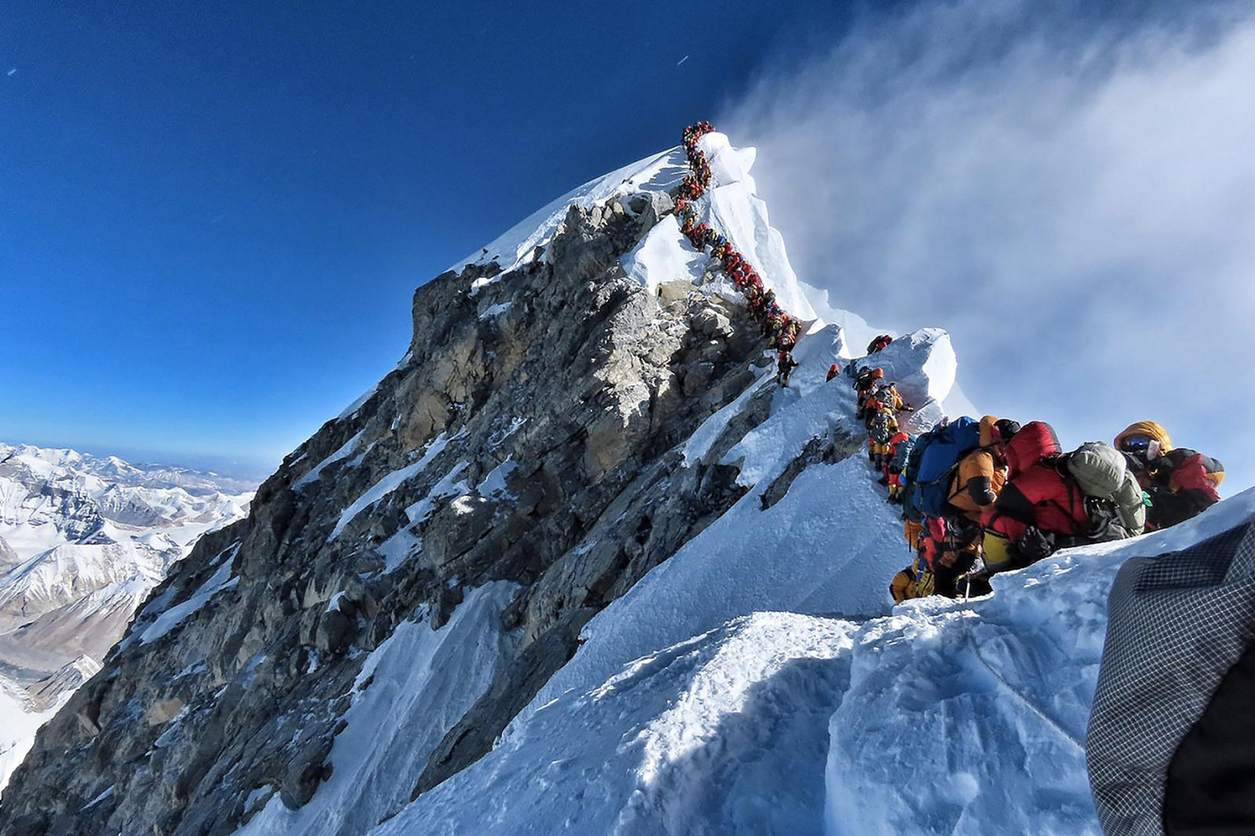
🥾 The 2026 Everest spring season just wrapped as the busiest and most record-heavy in Nepal's history. The country issued 492 permits (the most ever), counted more than 950 successful summits, and logged a single-day summit record on May 21 of 275.
- Speed: American ultrarunner Tyler Andrews logged a 9 hours 55 minutes ascent from Base Camp to summit on May 28, cutting more than an hour off Lhakpa Gelu Sherpa's record. Days earlier, Nirmal "Nims" Purja crushed his own oxygen-free Everest-Lhotse traverse record nearly in half, linking the two 8,000-meter peaks in 13 hours and 42 minutes while actively guiding paying clients.
- Milestones: Polish ski mountaineer Bartek Ziemski summited and skied down both Lhotse and Everest without supplemental oxygen. Kami Rita Sherpa pushed his all-time men's record to 32 summits, Lhakpa Sherpa hit her 11th (the women's record), and Chinese climber Gexi Luori became the first ever to summit both Everest and Lhotse twice in a single season. Norwegian Kristin Harila completed the Everest Triple Crown (Nuptse, Lhotse, Everest in the same season), and Afghan climber River Ahmad became the first woman from her country to top out.
- The cost: 5 climbers died on Everest this season (2 clients , 2 sherpas, 1 mountain worker).
Why It Matters: Something keeps pulling humans up this mountain year after year since Edmund Hillary and Tenzing Norgay first stood on top in May 1953. The risks are completely public, the deaths happen every year, and yet the line still forms every spring. It's inspiring and unsettling!
The 492 permits this year alone brought Nepal more than $7 million in fees, and that money fans out across Sherpa wages, gear shops, lodge owners, helicopter pilots, and entire valleys in the Khumbu. Congrats to everyone who summited, RIP to those we lost on the mountain, and huge thanks to the Sherpa community for making this possible and taking care of everyone up there.
Local Stokelight
🎿 Colorado drops $300M on the I-70 ski corridor
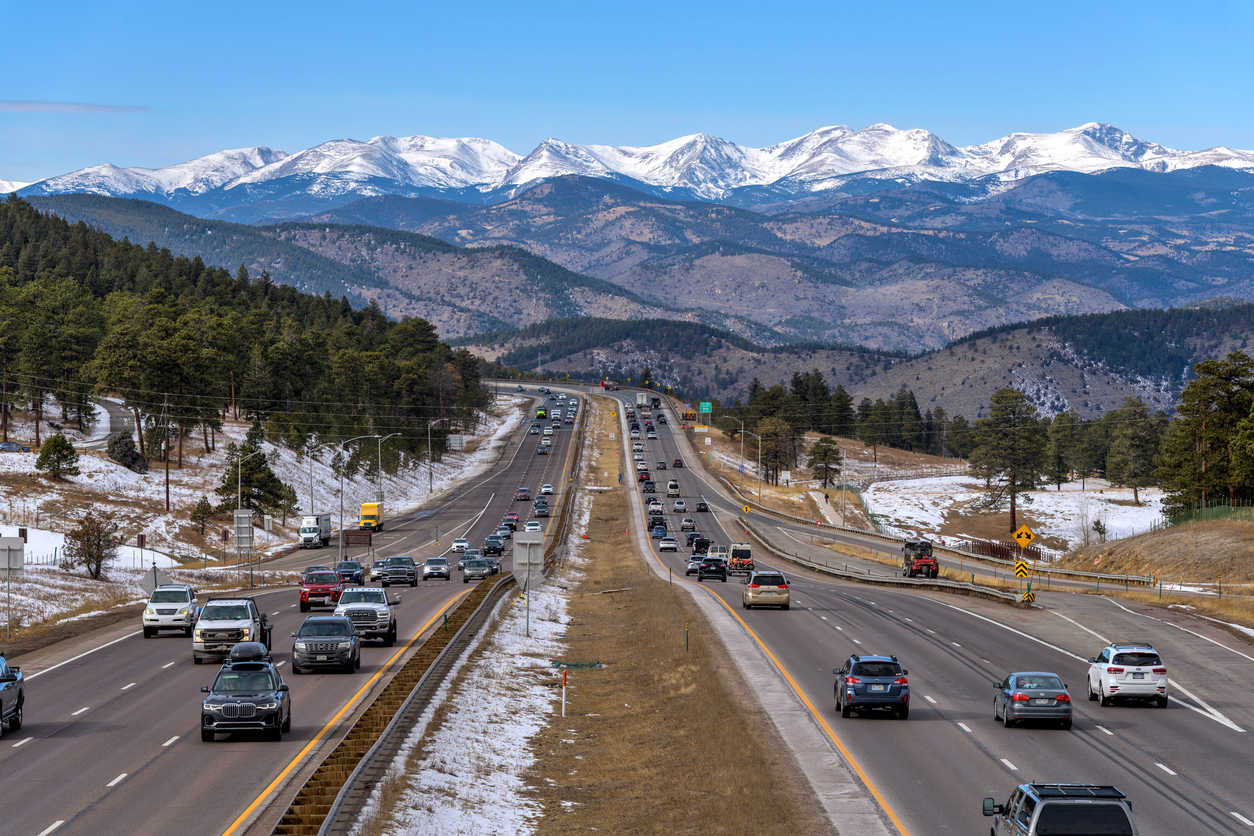
🚧 The Colorado Department of Transportation just approved a 10-year, $300 million plan for the I-70 mountain corridor and other big mountain roads across the northwestern part of the state. The 11-member Colorado Transportation Commission signed off unanimously on May 21, covering more than 250 projects through 2036 aimed at fixing roads, improving safety, and adding capacity on one of the busiest ski corridors in North America.
- The biggest single investment goes to West Vail Pass (77 million dollars), funding an additional uphill lane, a downhill deceleration lane, runaway truck ramps, a wildlife underpass, and wildlife fencing. That's the same stretch that sees the worst weekend ski traffic in the state.
- Garfield and Eagle counties get $34 million for asset repairs along I-70, including new guardrails and a switch from asphalt to concrete pavement through Glenwood Canyon, one of the most geologically tricky and frequently closed sections of the highway.
- The plan builds on the in-progress Floyd Hill expansion, an 8-mile westbound express lane at one of I-70's worst chokepoints, set to open in 2028. Combined with the West Vail Pass auxiliary lane project wrapping this year, the corridor is in line for the biggest safety overhaul it's seen in a decade.
Why It Matters: $300 million sounds big until you remember the original I-70 costs ran into the billions. This is a meaningful patch, not a rebuild. The hard truth is that no amount of paving fixes I-70 on a powder Saturday. Rail still isn't on the table. Until it is, every I-70 fix just makes a broken corridor a little less broken. (I dream of the day we have a bullet train that gets you from Denver to Summit County in 30 or 40 minutes)
🏛️ Colorado's Outdoor Recreation Industry Office just finished its four-year push of $3.6 million in federal grants to 50 projects across 27 counties, closing out the Colorado State Outdoor Recreation Grant program.
- Across all 50 projects, the program created 927 jobs, supported 96 camps and training programs that hosted 11,446 young people, and underwrote 23 events that drew nearly 100,000 attendees.
- Routt County's economic partnership used $65,470 to retain outdoor brands locally, helping make Steamboat a base for three dozen outdoor companies.
Why It Matters: This is how rural outdoor economies actually get built. Not with one giant grant, but with a couple hundred grand at a time, in the right hands, at the right moment. A four-person office moving $3.6M across 27 counties is a pretty wild bang-for-the-buck story!
🌲 A former Aspen city manager donated 235 acres on Mount Champion, just east of Independence Pass, to be permanently rolled into San Isabel National Forest. Amy Margerum Berg made the gift in memory of her late husband Chuck McLean, who originally bought the old mining claims with the express purpose of keeping them undeveloped. The first 194 acres have officially transferred, with the remaining 40 acres set to follow in early 2027. The donation also locks in public access on the North Fork Lake Creek Trail and routes up Mount Champion.
Environment
⛰️ Trees & fish
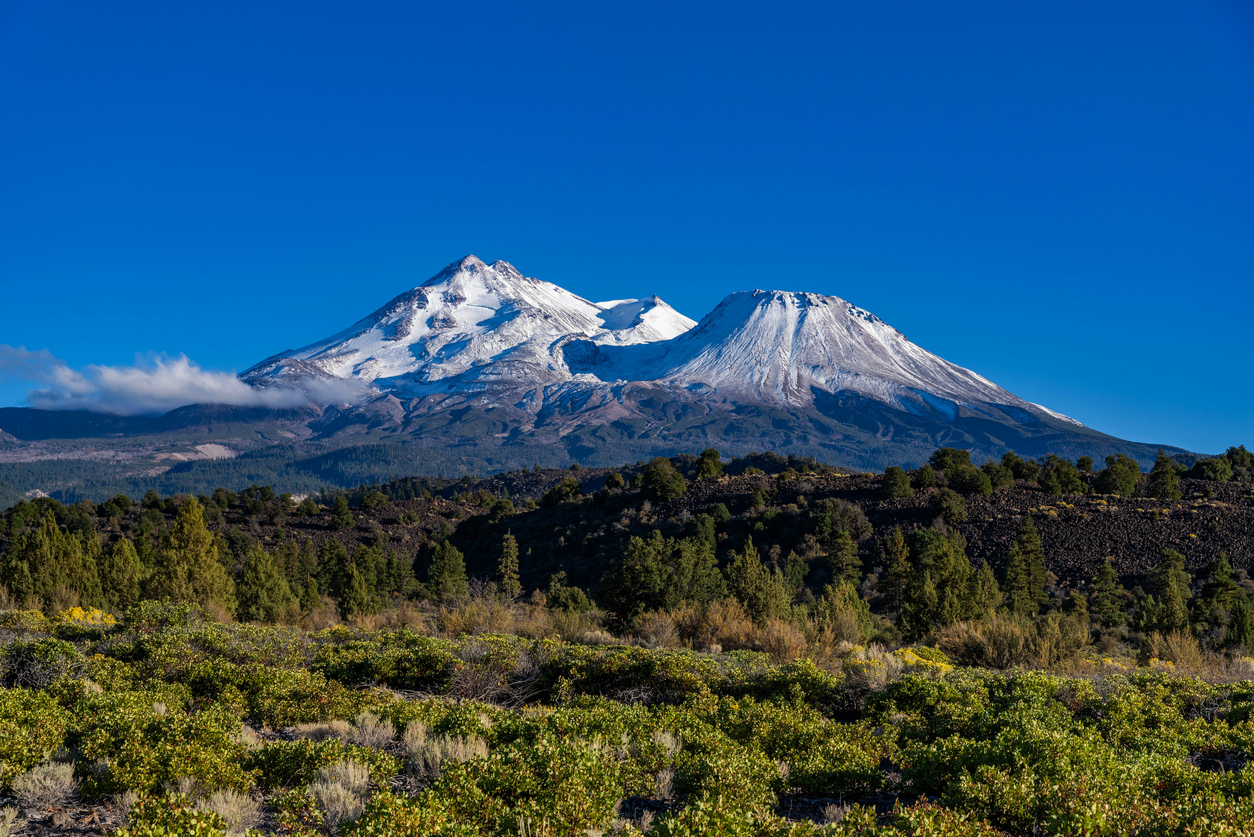
🌲 1.47 million seedlings are now growing across 2,769 acres on Mount Shasta's burn scar, five years after the Lava Fire ripped 25,000 acres across its northern slopes. Forest Service crews and small forestry contractors have done it in just over three planting seasons since 2024, using a mostly ponderosa and Jeffrey pine mix and a microsite planting technique that picks the best patch of soil for each seedling. Many are already a foot tall.
Why It Matters: Shasta is a place people care about beyond science. It's a sacred mountain, a destination peak, and a defining piece of the NorCal skyline. Watching it heal in real time, with seedlings visible from the highway, is a feel-good climate story! Those don't come often, we will take the win!
🐟 California's fisheries bill SB 1393 just cleared the State Senate with bipartisan support and heads to the Assembly. The bill strengthens the steelhead trout restoration program through 2037, modernizes Dungeness crab fishery rules through 2040, and creates clear transit rules for crab boats moving through closed zones. California's combined commercial and recreational fishing industry supports more than 100,000 jobs statewide, with the Dungeness crab fishery alone generating tens of millions of dollars a year along the North Coast.
Why It Matters: Fisheries bills rarely get bipartisan support in Sacramento. The fact that this one did says how thin the margins are for North Coast crab and steelhead communities right now.
What else is going on
- Park City approved replacing Eagle and Silverlode chairlifts with high-speed six-pack and eight-pack lifts for 2027-28 season.
- Powderhorn Mountain Resort auctions original chairs from retiring West End lift.
- Grand Targhee receives Forest Service approval for 694-acre expansion.
📚 Trailhead Trivia
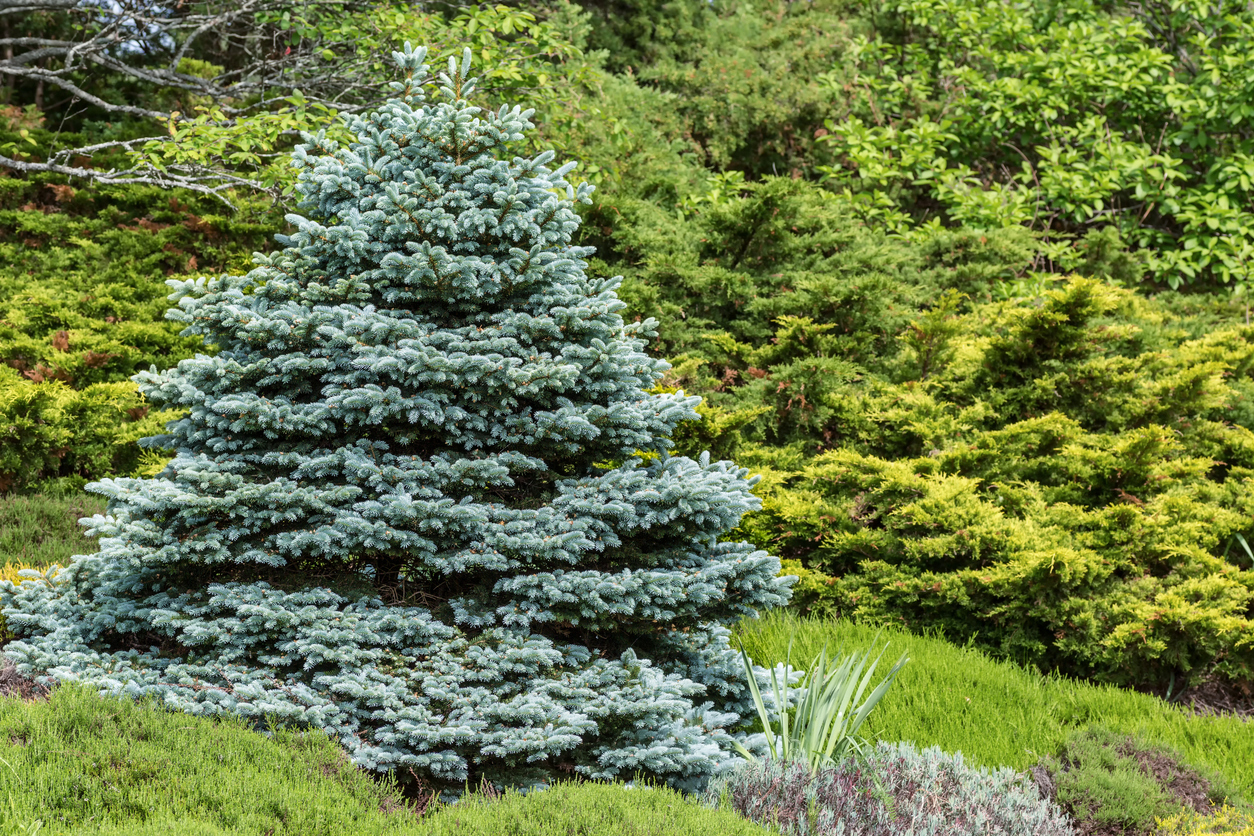
This is the Colorado State Tree, can you name it?
⚡ Share The Stoke
THE STOKE REPORT is a quick, no-fluff newsletter built for mountain lovers, adventure seekers, and the ones who enjoy a little type 2 fun!
If you know someone like that, forward this email or send them to thestokereport.com. Thanks for spreading THE STOKE — it seriously means a lot!
If you ever have ideas, tips, or stories worth sharing, reply to this email. I’d love to hear from you.
Answer!
The Colorado blue spruce!! The official state tree of Colorado since 1939. Native to the Rocky Mountains at elevations between 6,000 and 11,000 feet, it's prized for its striking silvery-blue needles, which get their color from a waxy coating that helps reflect intense high-altitude UV and reduce water loss. The tree typically grows 50–75 feet tall, thrives along mountain stream banks, and can live more than 600 years in the wild!
See you soon,
Tyler
Creator — THE STOKE REPORT
