

Good morning, Stoke Crew. Don't know if there are any hockey fans in here, but I grew up playing hockey and I'm STOKED to see the Avalanche move on to the next round! Alright, let's get into the actual outdoors news! Cheers!
In today's report
- ❄️ Alta wins award for sustainability work
- 🏔️ Palisades Tahoe gets approval for scaled-back development plan
- 🥾 Castle Rock's Lost Canyon opens to the public this summer
- 🐻 California's grizzly reintroduction roadmap
Mountain Briefing
🏆 Two wins for the ski resorts
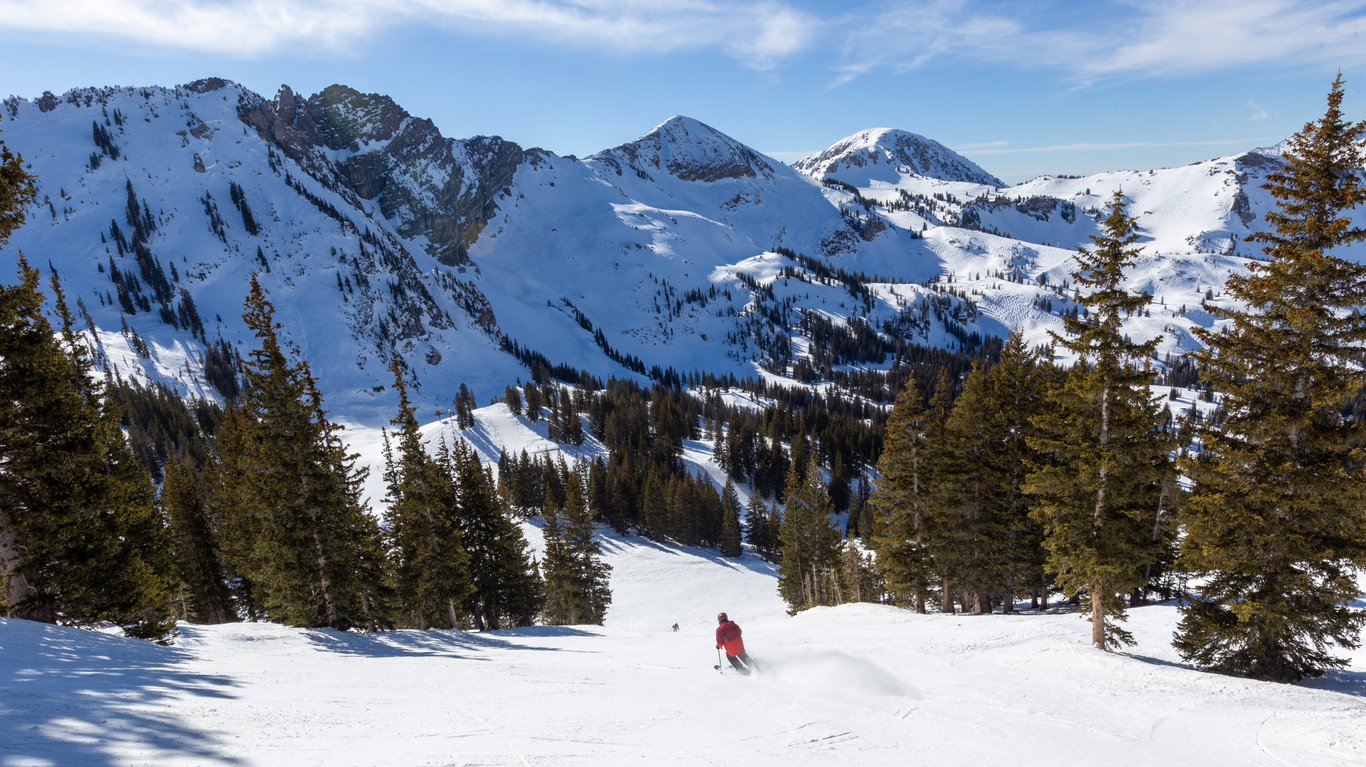
❄️ Alta Ski Area was named the National Ski Areas Association's overall Golden Eagle Award winner for Environmental Excellence, the top sustainability honor in the ski industry, beating out fellow finalists Arapahoe Basin and Vail Resorts. NSAA cited Alta's revegetation projects, tree planting, and invasive plant species removal, all aimed at rehabilitating mountain terrain that was stripped and eroded by historic mining in Little Cottonwood Canyon.
- The Alta Environmental Center has planted more than 42,000 trees and around 121,000 native plants, restored about 11,000 square feet of wetlands, and run wide invasive weed mitigation across the resort.
- The AEC was established in 2008 to guide Alta's sustainability work, and partners with the U.S. Forest Service, TreeUtah, and the Cottonwood Canyons Foundation.
- The Golden Eagle Award reflects years of thoughtful work, collaboration and care from people throughout Alta who deeply value the mountain environment.
- This is Alta's 3rd Golden Eagle, after wins in 2013 and 2022.
Why It Matters: Three Golden Eagles in 13 years isn't a one-off campaign, it's a culture. Beating Vail Resorts and Arapahoe Basin (no slouches themselves) for this award is a reminder that one of the smallest big-name resorts in the country is also one of the most serious about caring for the mountain it sits on! Unfortunately, I can't snowboard there because they still don't allow snowboarders! I find that to be crazy in 2026!
🏔️ Placer County (Tahoe) supervisors unanimously approved a dramatically scaled-back development plan for the Village at Palisades Tahoe in Olympic Valley, ending a fifteen-year battle over what gets built at the base of the resort. The revised plan cuts more than 70% from the original 2011 proposal and permanently kills the 300,000-visitor indoor waterpark that would have been the largest in North America.
- The fight started in 2011 when KSL Capital Partners bought the resort and proposed 3,187 new bedrooms and a series of high-rises. Sierra Watch organized a grassroots campaign that produced two successful lawsuits overturning county approvals in 2016 and 2024.
- After the second lawsuit, Alterra Mountain Company, Sierra Watch, and the League to Save Lake Tahoe negotiated a settlement in July 2025 that produced this scaled-back version.
- Plan also funds 295 employee workforce housing units, an $800,000 regional initiative fund, $500,000 for employee housing, and restoration of Washeshu Creek and the Olympic Channel.
Why It Matters: Olympic Valley is one of the most pressured mountain corridors in the country, and the original plan would have pushed traffic, water, and density past what the valley can hold. A 70% cut isn't a lite tweak. It's a real ceiling, and it gets workforce housing built without turning the base of the mountain into a high-rise resort town!
Local Stokelight
🥾 Front Range gets 681 new acres!
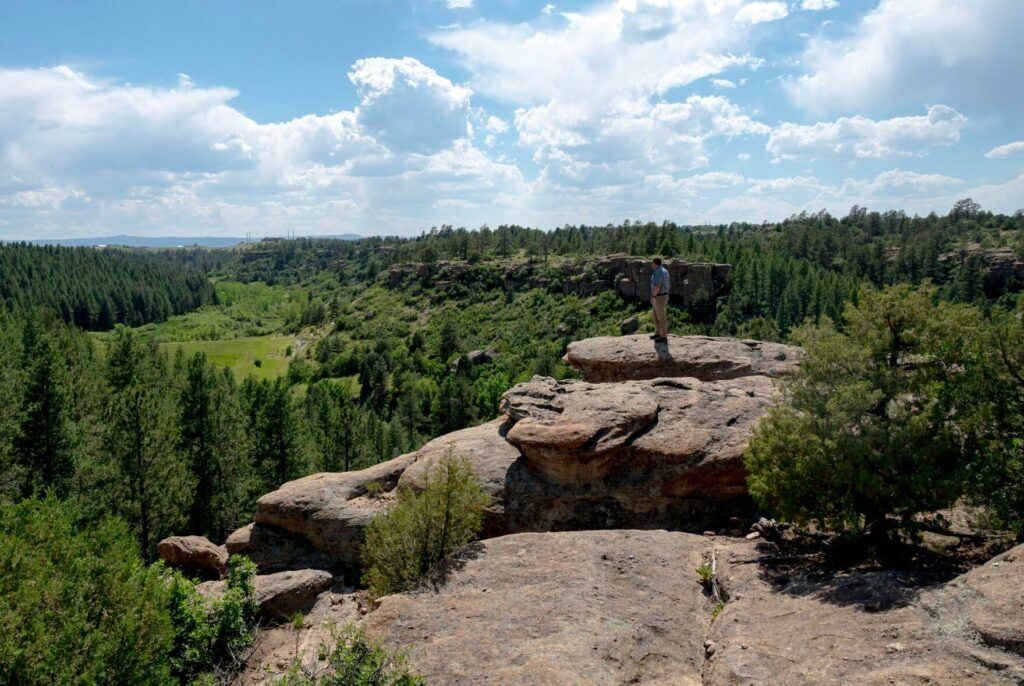
🌲 Lost Canyon Ranch Open Space, the largest open space acquisition in Castle Rock's history, opens to the public mid-summer with about fifteen miles of trails winding through canyon floors, mesa rims, ponderosa pine forests, and dramatic rock formations on the southeast edge of town. Castle Rock acquired the 681-acre property in May 2024 for $15,009,432 in a partnership between the town, Douglas County, Great Outdoors Colorado, Douglas Land Conservancy, and The Conservation Fund.
- The land is hikers-only, no bikes or dogs, in line with the conservation easement and a master plan built around solitary, low-impact recreation. A connector trail to the bordering Castlewood Canyon State Park is also slated for construction this summer.
- The property links Castle Rock, Castlewood Canyon State Park, and Douglas County's Prairie Canyon Ranch Open Space, creating roughly 4,300 acres of contiguous protected open space and a wildlife corridor in eastern Douglas County.
Why It Matters: Open space on the Front Range is a race against developers! Lost Canyon Ranch had standing offers from private buyers that would have turned this canyon into another subdivision. Five public and nonprofit partners stitched $15M together to keep that from happening. That's the playbook for protecting land in fast-growing parts of Colorado, and it's still working.
Environment
⛰️ Update: Grizzlies in California
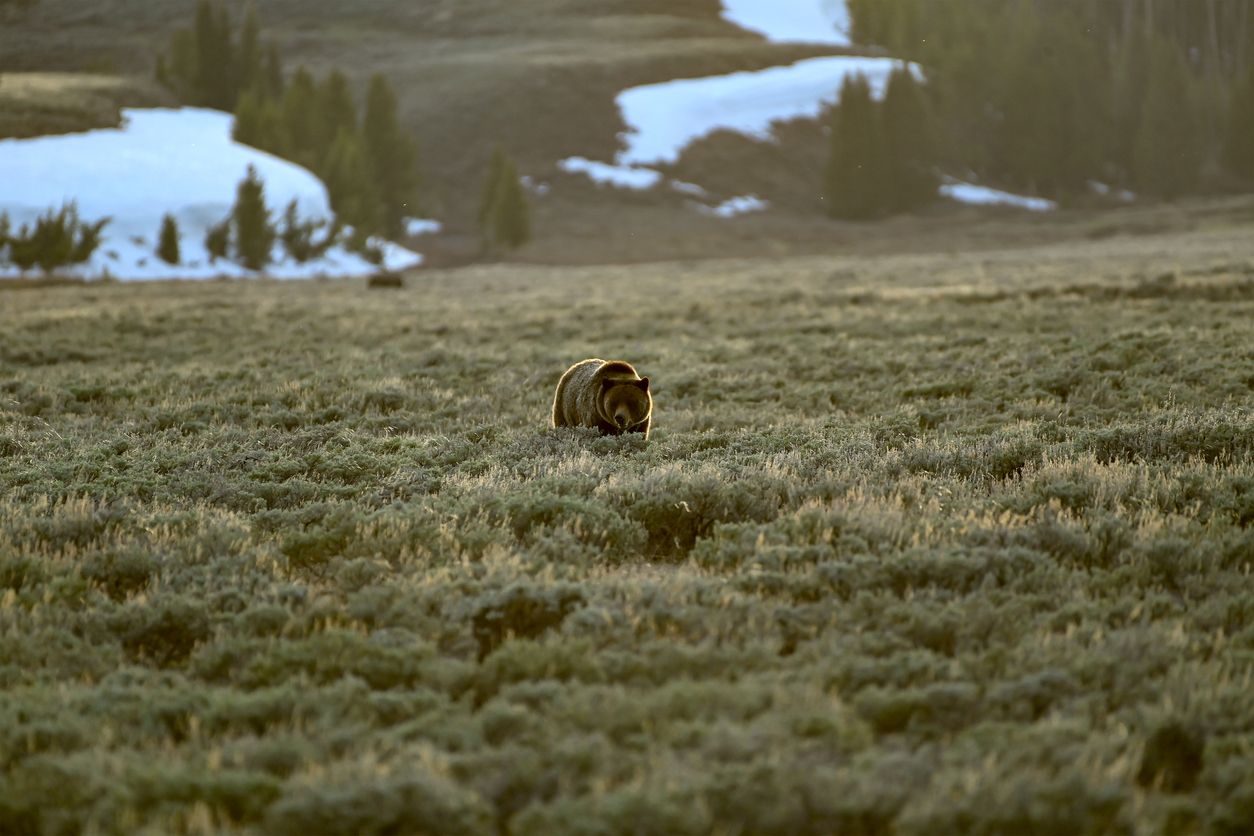
🐻 California Senate Bill 1305, the California Grizzly Restoration Act, cleared its first committee on a 4-1 vote and is now headed to Senate Appropriations. The bill doesn't bring grizzlies back. It directs the California Department of Fish and Wildlife to deliver a roadmap by 2030 assessing whether reintroduction is even feasible, with mandatory tribal consultation, peer review, and new regulations required before any bear ever sets foot in the state.
- A recent feasibility study led by UC Santa Barbara professor Peter Alagona identified three regions that could support grizzlies: the Klamath Mountains and Trinity Alps, the Sierra Nevada, and the Transverse Ranges from San Bernardino to Santa Barbara. The estimate: California could hold nearly 1,200 bears.
- Opposition is fierce. Wolf-livestock conflicts already overwhelm rural agencies and the difficulty of managing a 600-pound apex predator adds to that challenge.
- California had an estimated 10,000 grizzlies before the Gold Rush. The last one was killed in 1924. The animal still appears on the state flag.
Why It Matters: This is just a study, not a reintroduction. But the precedent is what matters. Wolves came back to Colorado on a ballot initiative and the rancher fight is still ongoing. Grizzlies are an order of magnitude bigger, harder to manage, and more dangerous. There were two recent grizzly bear attacks, one in Yellowstone and one in Glacier, which was deadly. I'm not sure bringing bears back to a highly populated state where people recreate is the right move. What are your thoughts?
What else is going on
- Colorado’s 10 most popular hikes, according to AllTrails
- 13 people died at Colorado ski resorts in 2025-26 season, matching recent years despite low snow reducing traffic.
📚 Trailhead Trivia
This is the Colorado State Bird - Can you name it?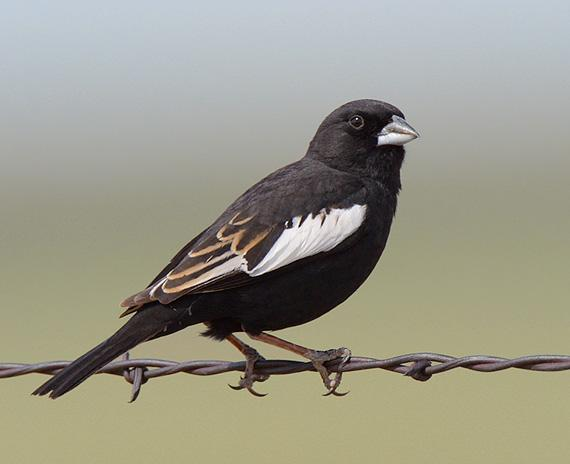
⚡ Share The Stoke
This newsletter is for mountain lovers, first chair advocates, and the ones who live for type 2 fun. Basically, the type of people whose "five-year plan" is just a list of peaks and routes!
If you know someone like that, forward this email or send them to thestokereport.com. Thanks for spreading the stoke — it seriously means a lot!
Answer!
The Colorado State Bird is the Lark Bunting
See you soon,
Tyler
Creator — THE STOKE REPORT
